
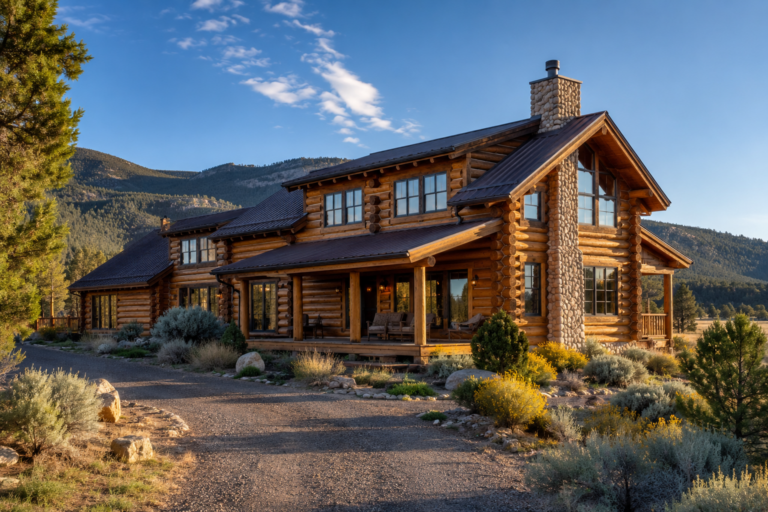








A log home in Monticello is built for a setting where open views, high-country weather, and four distinct seasons are part of everyday life. It is also a home that needs consistent exterior care. Strong sun, dry air, winter snow, wind, and sharp temperature changes can gradually wear down stain systems, open up vulnerable joints, and expose logs to moisture where it does not belong.
That does not mean every weathered log wall needs a full restoration. In many cases, a well-timed inspection, targeted cleaning, fresh stain, or renewed sealant can protect the home before wear turns into a larger repair project. The right approach depends on the condition of the logs, the existing finish, the home’s exposure, and the way water moves around the property.
Pencil Log Pros helps Monticello homeowners evaluate and maintain log homes, cabins, and mountain properties with restoration services tailored to exterior wood. From faded stain and exposed checks to failed caulking, chinking concerns, and localized log repair needs, the goal is to protect the home’s appearance and building envelope without treating every project the same way.
Whether your property sits in town, near the foothills of the Abajo Mountains, or on a more open parcel outside Monticello, your home faces its own combination of sun, snow, drainage, and wind exposure. A condition-based restoration plan can help preserve the character of your log home while addressing the areas that need attention most.
Why Monticello Log Homes Need Climate-Specific Care
Monticello is not a typical low-elevation desert market. The area’s elevated setting brings dry, sunny conditions along with cold winters, snow, and meaningful seasonal shifts. For log homeowners, that combination matters because wood finishes, sealants, and log surfaces respond to both sun exposure and moisture exposure over time.
A log home can look solid from the driveway while developing early warning signs in easy-to-miss places. The south wall may be fading faster than the home’s shaded side. A roof valley may be directing water toward a log corner. A deck connection may be trapping moisture against the lower logs. Sealant around windows or between courses may be losing adhesion after years of expansion and contraction.
Good maintenance starts with understanding that a log home is not finished once the stain is applied. Exterior coatings and sealants are protective systems. They need periodic inspection, touch-up, and, eventually, renewal. The timing depends on the property rather than a fixed calendar date.
High-Elevation Sun Can Wear Down Exterior Finishes
Monticello homeowners often notice finish wear first on the most exposed walls. South- and west-facing elevations may receive more direct sunlight and can lose color, sheen, and water resistance before other sides of the home. A stain system that once looked rich and even may begin to appear dry, dull, blotchy, or faded.
Sun exposure does more than affect appearance. As exterior finishes weaken, the wood beneath becomes more exposed to weathering. Water may stop beading on the logs. Fine surface checking may become more visible. Areas around corners, trim, and exposed end grain may need attention before the rest of the wall does.
For some Monticello cabins, a targeted maintenance coat may be enough. For others, the old finish may need more complete preparation before a new stain system can perform properly. The correct recommendation depends on the existing coating, the condition of the wood, and whether previous products are still adhering well.
Snow, Freeze-Thaw Cycles, and Wind-Driven Moisture
Dry air does not eliminate moisture concerns. Snow accumulation, melting snow, wind-driven precipitation, roof runoff, and splashback can all create localized trouble around a log home. Lower log courses, deck posts, wall-to-roof transitions, window openings, and areas below short overhangs deserve special attention.
When water repeatedly reaches the same part of a home, the finish may fail before the surrounding wall does. Darkened lower logs, softened wood, peeling stain, staining beneath a window, or recurring sealant separation can all point to a moisture path that should be addressed. Simply applying more stain over the affected area may not solve the underlying problem.
Proper restoration looks at both the symptom and the cause. That may include improving drainage, correcting splashback, renewing the sealant, preparing damaged wood, or identifying areas where water is being trapped against the structure.
Dry Air and Temperature Changes Affect Wood Movement
Logs naturally expand and contract as conditions change. Checking, or the cracking that develops along the surface of a log, is common and does not necessarily indicate a structural problem in the home. The concern is whether a check is holding water, opening upward, creating a visible path into the wall system, or allowing insects and air to move through the home.
Seasonal movement can also affect chinking and caulking. A sealant that was performing well several years ago may begin to pull away at the edges, split, or leave small gaps around windows, doors, and log joints. Catching those changes early can help prevent water entry and reduce the chance of more involved restoration later.
Common Log Home Restoration Needs in Monticello, UT
Log home restoration is not one service. It can involve anything from refreshing a worn stain system to correcting failed sealants, cleaning weathered logs, repairing moisture-damaged sections, or creating a practical maintenance plan for a vacation home. The right scope should be based on what the home actually needs now and what will help prevent avoidable problems in the future.
Faded or Failing Log Home Stain
A faded finish is one of the most common reasons homeowners look into log home restoration in Monticello. Sometimes the issue is primarily cosmetic. The home may have lost its original warmth and color, especially on the sunniest side. In other cases, fading indicates that the coating system is no longer providing the logs with sufficient protection.
Warning signs can include exposed wood grain, uneven color, graying sections, peeling or flaking finish, dry-looking logs, or water that absorbs instead of beading on the surface. The earlier those signs are addressed, the more likely the project can focus on restoration and protection rather than deeper wood repair.
Before new stain is applied, the existing surface needs to be evaluated. A finish that is still sound may require cleaning and compatible maintenance treatment. A finish that is failing, peeling, or heavily weathered may need more involved preparation. Choosing the wrong product over an incompatible existing coating can create adhesion problems and shorten the life of the new work.
Surface Preparation and Log Home Refinishing
Surface preparation is one of the most important parts of a successful log home refinishing project. The goal is to create a clean, stable surface that allows new stain and protective coatings to perform as intended. Depending on the home, that may involve careful washing, removing loose finish, sanding selected areas, stripping failed coatings, or using media blasting where appropriate.
The best preparation method depends on the condition of the wood and the existing finish. A cabin with light oxidation and otherwise stable stain may need a much different approach than a home with multiple layers of failing coating or visible bare wood. Preparation should protect the logs while removing the materials that are no longer performing.
It is also important to protect windows, doors, landscaping, decks, stonework, and adjacent surfaces during restoration work. A professional plan considers the home as a whole, not just the log walls.
Log Sealing, Chinking, and Gap Repair
Log homes rely on well-maintained joints and transitions to keep out water, drafts, insects, and wind-driven debris. Some homes use traditional chinking between log courses. Others rely more heavily on caulking, gaskets, or sealant systems at checks, corners, and transitions. Every home is different, but all log homes benefit from regular attention to vulnerable openings.
Common signs that sealing or chinking may need attention include visible gaps, drafts near exterior walls, interior water marks, loose or cracked material around windows, insect activity, or separation where logs meet trim. Sealant failure is often gradual, which makes routine exterior inspections valuable.
For a Monticello property, sealing work should focus on places where moisture is most likely to enter. That can include upward-facing checks, log ends, window and door openings, deck connections, wall corners, and areas near roof runoff. A careful repair plan helps preserve the home’s appearance while supporting its weather resistance.
Localized Log Repair and Rot Prevention
Not every restoration project requires widespread log replacement. When deterioration is found early, repairs may be limited to a small number of affected areas. Lower logs, deck transitions, areas near sprinklers, roof valleys, and places with poor drainage are often worth closer inspection because they can stay wet longer than the rest of the home.
For example, a Monticello cabin with faded south-facing walls and dark staining near a patio connection may need targeted surface preparation, sealing improvements, stain restoration, and repair of a few vulnerable sections. The work would depend on whether the discoloration is superficial, whether moisture is still reaching the area, and whether the wood remains structurally sound.
The most important part of rot prevention is correcting the cause of the wood staying wet. That may mean improving drainage, moving vegetation away from the house, adjusting splashback conditions, maintaining gutters, or ensuring stored materials do not retain moisture against the logs.
Log Home Restoration Services for Monticello Homeowners
Pencil Log Pros approaches restoration work with the understanding that a log home is both a finished exterior and a living wood structure. The goal is to help homeowners protect the logs, improve the home’s appearance, and address exterior vulnerabilities before they become more expensive to manage.
Professional Log Home Inspections and Maintenance Planning
A good restoration plan starts with a thorough exterior review. Rather than assuming that the entire home needs to be stripped and refinished, the first step is identifying the actual condition of the stain, logs, sealants, chinking, lower courses, roof runoff areas, and transitions around windows and doors.
An inspection can help identify which parts of the home are aging fastest and why. It can also help homeowners prioritize work. In some cases, a few targeted repairs and protective touch-ups can extend the life of the current finish. In other cases, broader restoration is the better long-term choice because the existing coating has reached the end of its useful life.
This condition-first approach is especially useful for second homes and cabins that may not receive the same routine observation as a primary residence. A small issue can persist for several seasons if no one notices that water is collecting in the same location or that a sealant joint has opened.
Log Home Cleaning and Surface Preparation
Cleaning is more than a cosmetic step. Exterior log walls can collect dirt, dust, pollen, oxidation, loose coating, and other contaminants that interfere with adhesion. Before a stain, sealant, or maintenance coat is applied, the surface should be evaluated and prepared appropriately.
Proper cleaning methods depend on the home. The goal is to remove what should not remain on the logs without damaging the wood or forcing water into vulnerable joints. A thoughtful preparation process also gives the restoration team a closer look at the condition of the logs beneath the old finish.
For homeowners comparing nearby high-desert properties, similar sun exposure concerns can show up in places such as Blanding log homes, although each site has its own elevation, drainage, shade, and weather exposure. The right maintenance schedule should always be based on the specific home rather than a regional assumption.
Log Home Staining and Protective Coatings
Staining and finishing are central to protecting a log home’s exterior. A quality coating system can improve color, help reduce UV-related weathering, and support the home’s ability to shed water. The product selection and application process should take into account the wood species, the home’s current finish, the level of preparation completed, and the owner’s expectations for maintenance.
Wall orientation matters. A south-facing elevation may require more frequent attention than a shaded north wall. Eaves, covered porches, and nearby trees can create a different aging pattern from one side of the home to the next. That is why a home can have one elevation that looks ready for refinishing while another still appears relatively protected.
Restoration work should aim for a consistent appearance without ignoring those exposure differences. A practical plan may include full refinishing, targeted prep work, maintenance coats on selected walls, or a staged approach that addresses the most vulnerable elevations first.
Log Sealing, Chinking, and Caulking
Sealing work supports both comfort and exterior durability. Open checks, failed caulking, and separated chinking can allow moisture, air, and pests to enter places where they do not belong. Replacing or repairing failing material helps protect the building envelope and improves the appearance of the log joints.
The right product should be compatible with the movement of the logs and the materials already present in the home. It should also be applied to a properly prepared surface. Sealing over loose, dirty, or deteriorated material may look better briefly, but is unlikely to deliver durable results.
Homes in mountain-influenced areas can face similar seasonal concerns. For example, homeowners considering maintenance for a cabin near the southeastern Utah mountains may also find useful context in our page for log home restoration in La Sal. Even so, Monticello properties should be assessed based on their site conditions and exposure.
Log Repair and Targeted Restoration Work
When a log has been affected by moisture, insects, repeated exposure to weather, or physical damage, repair decisions should be made carefully. The objective is not simply to make the area look better. It is to address damaged wood, correct the source of exposure, and blend the repaired area appropriately with the surrounding home.
Targeted restoration may involve removing deteriorated material, repairing or replacing affected log sections where needed, improving adjacent sealing, and refinishing the repaired area so it works with the rest of the exterior. The amount of work depends on the condition of the wood and the cause of the damage.
Early action matters. A small issue at a lower log, deck attachment, or roof drainage point is easier to manage than a problem that has persisted through multiple wet seasons.
When Should You Restore or Refinish a Log Home?
There is no single schedule that works for every Monticello log home. A home with deep overhangs, good drainage, and partial shade may weather differently than one that sits in full sun with exposed walls and a more open site. The right time to restore or refinish is usually determined by condition, not by a fixed number of years.
Homeowners should walk around the exterior regularly and look for changes that may signal the need for maintenance. Spring and fall are often useful times to check the home because they follow demanding seasonal conditions. After winter, you may notice areas affected by snow retention, roof runoff, or freeze-thaw movement. Before winter, you can identify finish wear and open joints that should be addressed before more moisture arrives.
Signs that it may be time to schedule a professional review include:
- Stain that looks faded, uneven, dry, or blotchy.
- Water that no longer beads on the exterior log surfaces.
- Gray or bare-looking wood where the finish has worn away.
- Checking that appears to be widening, holding water, or opening upward.
- Cracked, loose, or separated chinking and caulking.
- Darkened lower logs or staining around decks, windows, and roof runoff areas.
- Visible gaps, drafts, insect activity, or water marks inside near exterior walls.
Addressing those signs early may allow a homeowner to focus on cleaning, sealing, touch-up work, or limited refinishing rather than a larger restoration project later.
What a Monticello Log Home Restoration Project May Involve
Every project begins with the home’s existing condition. A cabin that has been consistently maintained may require a different level of work than a property with a heavily weathered finish, old sealants, and several areas of water exposure. The purpose of the process is to determine what needs attention and complete the work in the right order.
Step 1: Evaluate the Logs, Finish, and Moisture Risks
The first stage is identifying the condition of the logs and the exterior finish. This includes looking for stain failure, weathering, checking, darkened wood, soft spots, failed caulking, chinking separation, and visible gaps. It also includes evaluating where water may be coming from.
A restoration plan should consider roof runoff, gutter discharge, deck details, grade, landscaping, sprinklers, and areas where snow or debris may linger. It is difficult to protect a log wall in the long term if the underlying drainage issue has not been addressed.
Step 2: Prepare the Exterior Correctly
Once the condition is understood, the next step is proper preparation. That may include cleaning, removing deteriorated coatings, sanding selected areas, stripping old finish, or using another appropriate restoration method. The objective is to create a stable surface that is ready for new protective materials.
Preparation should be matched to the job. Overworking the surface can damage the wood, while under-preparation can leave behind material that prevents a new coating from bonding properly. Attention to detail at corners, log ends, trim transitions, window openings, and lower courses helps support a more durable result.
Step 3: Restore, Stain, Seal, and Detail the Home
After preparation, restoration work may include staining, applying protective coatings, repairing checks, renewing caulking or chinking, and addressing selected areas for repair. The scope depends on the property and may vary from wall to wall. Some elevations may require more preparation because they have experienced heavier sun exposure or more frequent weathering.
The goal is a finish that looks appropriate for the home while helping protect the logs from the conditions they face. Careful detailing around openings, transitions, and water-prone areas is especially important because those locations often determine how well the exterior holds up over time.
Step 4: Build a Practical Maintenance Plan
Restoration does not end when the final coat dries. A practical maintenance plan helps homeowners protect their investment by monitoring early signs. That may include periodic exterior walkarounds, keeping vegetation away from the home, monitoring roof drainage, checking sealants, and scheduling touch-up work before the coating system fails broadly.
Homeowners in other exposed southeastern Utah settings face related maintenance decisions. Our page on log home restoration in Moab offers another example of how intense sun and site exposure can shape exterior wood care. The specific maintenance needs of a Monticello home, however, will still depend on its elevation, orientation, shade, drainage, and history of upkeep.
Property Features That Can Affect Log Home Maintenance in Monticello
Two log homes only a few miles apart can weather very differently. One may sit behind mature trees with deep overhangs and limited afternoon sun. Another may be fully exposed to wind, direct sunlight, and seasonal snow. Restoration planning should account for the property itself, not just the town listed on the address.
Several site features can affect how quickly a log exterior needs attention:
- South- and west-facing walls that receive more direct sunlight.
- Short roof overhangs that leave logs exposed to precipitation and runoff.
- Roof valleys or gutter discharge points that concentrate water near exterior walls.
- Decks, stairs, and railings that create moisture-prone transitions.
- Landscape grade that directs water toward the home instead of away from it.
- Vegetation, firewood, or stored materials held too close to exterior logs.
- Long periods between inspections at second homes or seasonal cabins.
Homes near the Abajo foothills may experience more shade, snow retention, and changing weather than an open property closer to town. In contrast, a home with broad western exposure may show finish wear more quickly, even when the rest of the structure appears well-maintained.
These differences are why a visual inspection matters. A homeowner may be able to spot obvious fading or failed sealant, but a professional evaluation can help identify the conditions contributing to the problem and prioritize the work that will offer the most protection.
For homeowners comparing similar regional maintenance concerns, our page for Spanish Valley log home restoration also discusses how sun exposure and site conditions can influence exterior wood care. The local weather profile may differ, but the importance of managing UV, water, and drainage remains consistent.
Frequently Asked Questions About Log Home Restoration in Monticello, UT
How often does a log home in Monticello need to be stained?
The answer depends on the home’s condition, exposure, existing stain system, and maintenance history. A south-facing wall in open sun may need attention sooner than a shaded wall under deep roof overhangs. Rather than waiting for a fixed number of years, watch for fading, loss of water repellency, exposed wood, and uneven wear on the finish.
Does a dry Utah climate prevent log rot?
No. Dry conditions can reduce some moisture pressure, but localized water exposure can still create problems. Roof runoff, snowmelt, splashback, failed sealants, open checks, deck connections, and poor drainage can allow water to remain against the wood long enough to cause deterioration. The key is identifying where moisture enters or is retained.
Do cracks in logs always require repair?
No. Checking is a normal part of how logs dry and move over time. A check may need attention when it is positioned to hold water, opens upward, becomes unusually wide, creates a visible gap, or allows air, moisture, or insects to enter. A professional inspection can help determine whether sealing or repair is appropriate.
Can a faded log home be restored without replacing the logs?
Often, yes. Many faded or weathered log exteriors can be improved through cleaning, proper surface preparation, staining, sealing, and targeted repair work. Whether replacement is necessary depends on the actual condition of the wood. Surface discoloration and finish failure do not necessarily indicate that the logs are structurally damaged.
What should I do before hiring a log home restoration contractor?
Walk around the home and make note of the areas that concern you most. Look for faded walls, water stains, failed caulking, darkened lower logs, peeling finish, open checks, or visible gaps. If you know what products were used on the home previously, keep that information available. Photos from different seasons can also be useful because they may show how snow, runoff, and sun exposure affect specific elevations.
Should I maintain a second-home cabin differently than a primary residence?
The maintenance needs are similar, but second homes may need a more deliberate inspection schedule because small issues can go unnoticed longer. A seasonal or vacation property should be checked after winter, before winter, and after major weather events when possible. Monitoring roof drainage, sealant condition, and finish performance is especially important when the home sits vacant for long stretches.
Homeowners in other southeastern Utah communities may face related concerns with exposed cabins and seasonal properties. For another regional reference point, visit our page about log home restoration in Castle Valley. Every log home should still be evaluated based on its construction, site exposure, and maintenance history.
Talk With Pencil Log Pros About Your Monticello Log Home
Your log home deserves a restoration plan built around its actual condition, not a generic checklist. Whether you are dealing with faded stain, weathered log walls, cracked sealants, chinking concerns, exposed checks, or localized repair needs, the right next step is a close look at the exterior and the conditions affecting it.
Pencil Log Pros helps Monticello homeowners protect the appearance, durability, and long-term value of their log homes through thoughtful restoration, staining, sealing, and maintenance planning. Scroll to the bottom of this page to connect with Pencil Log Pros and discuss your Monticello log home project.