
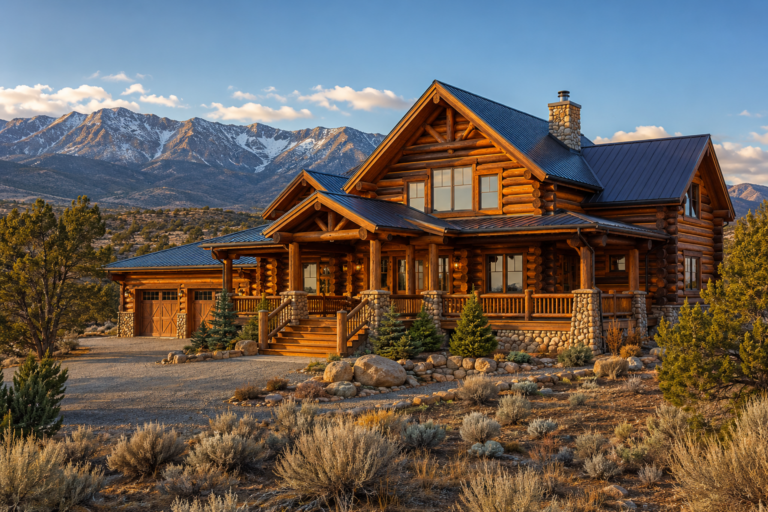








A log home in La Sal, Utah, has to stand up to more than everyday wear. High-desert sun, dry air, mountain winds, winter snow, runoff, and seasonal temperature swings can all affect exterior logs, stain, chinking, caulking, and exposed wood details. A cabin may still look solid from the driveway even as the finish is fading, joints are beginning to open, or moisture is seeping into vulnerable areas.
That is why log home restoration in La Sal is about more than refreshing the color of the exterior. The right approach starts with understanding the condition of the log shell, identifying areas that need repair or sealing, preparing weathered surfaces correctly, and applying a compatible finish system designed to protect the wood. Pencil Log Pros helps homeowners evaluate concerns such as faded stain, failed chinking, weathered logs, damaged log ends, open checks, and exterior maintenance needs before small problems become more involved repairs.
Whether your property is a full-time mountain home, a second home, a rural cabin, or a log structure that has been part of the property for years, consistent care can help protect its character and long-term performance. The goal is not to make a log home maintenance-free. The goal is to keep the exterior in sound condition, manage moisture, reduce unnecessary weathering, and create a practical plan for future upkeep.
Why La Sal Log Homes Need a Different Maintenance Approach
High-desert sun can wear down exterior finishes
Sun exposure is one of the biggest reasons log home finishes begin to look uneven. South- and west-facing walls often receive more direct sunlight, which can cause stain to fade, dry out, or lose its ability to shed water effectively. On a log home, finish wear is not always just an appearance issue. Once the protective coating begins to break down, the wood beneath it can become more exposed to ultraviolet light, rain, snowmelt, and daily temperature changes.
Homeowners often first notice this problem as uneven color between elevations. One wall may still have a rich, consistent finish while another looks gray, dry, or sun-bleached. In some cases, the stain may appear intact from a distance but feel chalky or worn when viewed up close. Water that no longer beads on the surface can also be a sign that the finish needs attention.
Log homes do not weather evenly, especially in a setting like La Sal. Roof overhangs, nearby trees, porch roofs, wall orientation, deck placement, and the amount of open exposure around the home can all change how quickly a finish wears. A professional inspection should look at the entire exterior rather than assuming every wall needs the same treatment.
Snow, runoff, and freeze-thaw movement can create weak points
Winter weather can be hard on exterior wood when snow remains against lower log courses, roof runoff repeatedly wets the same wall, or melting snow collects near the foundation. Water often does the most damage when it is allowed to remain in contact with wood for long periods. It can enter open checks, deteriorated joints, failed caulking, or areas where trim meets the log wall.
Freeze-thaw cycles can make these issues more noticeable. Moisture can enter small openings, expand as temperatures drop, and gradually widen vulnerable spots over time. This does not mean every check or crack is a serious structural problem. Logs naturally move as they respond to changes in moisture and temperature. The concern is whether an opening is collecting water, allowing air infiltration, or exposing untreated wood where protection has failed.
It is especially important to inspect areas below roof valleys, around gutters and downspouts, under deck connections, near porch posts, and at the bottom courses of the log wall. These locations can receive repeated moisture even when the rest of the home appears dry and well-protected.
Wind, dust, and rural exposure add to maintenance demands
La Sal properties can also be exposed to wind and airborne dust. Wind-driven rain or snow can reach areas that are normally protected during a light storm, while dust can settle in checks, corners, recessed joints, and wall transitions. Over time, debris and grime can make it harder to spot early finish failure or small openings in sealant.
Rural homes often have exterior details that deserve extra attention, including porch columns, exposed beam ends, log railings, fascia boards, decks, window trim, and utility penetrations. A log wall is only part of the exterior system. Water management, ventilation, ground clearance, roof drainage, and landscaping all influence how well the logs perform over time.
For homeowners comparing maintenance needs across southeastern Utah, it can be helpful to remember that conditions may differ greatly between a mountain foothill property in La Sal and a more exposed desert-area home. Properties near Moab, UT, for example, may face a different balance of sun exposure, heat, wind, and elevation-related weather conditions.
Common Log Home Problems Homeowners in La Sal May Notice
Faded, peeling, or uneven stain
Fading stain is one of the clearest signs that a log home needs attention. The exterior may look lighter on exposed walls, darker beneath overhangs, or blotchy where older maintenance coats no longer match. Peeling, flaking, or lifting finish can indicate that the coating has lost adhesion or that moisture is affecting the wood beneath it.
Not every faded wall requires a complete restoration project. Sometimes the home may only need cleaning, surface preparation, and a maintenance coat. Other times, the previous coating system may have failed enough that it needs to be removed before a new finish can perform properly. The difference depends on the condition of the existing finish, the type of product previously applied, the amount of bare wood present, and whether the logs have underlying damage.
Open checks, cracked sealant, and failed chinking
Checks are natural cracks that develop as logs dry and respond to changing conditions. Many checks are normal, but they should still be monitored. A check that faces upward or collects water can become more problematic than one that remains dry and protected. Open checks may need to be cleaned, evaluated, and sealed when they create a likely path for moisture intrusion.
Chinking and flexible sealants also deserve regular inspection. Over time, they can crack, shrink, detach, or separate from the logs. This is especially common around windows, doors, corners, utility penetrations, and areas where different building materials meet. A small opening may allow drafts, insects, wind-driven moisture, or debris into the wall system.
Good chinking and caulking work is not about filling every visible line with product. The goal is to address the joints and openings that need flexibility, adhesion, and weather protection while allowing the log system to move naturally.
Soft wood, dark staining, and suspected log rot
Soft or deteriorated wood should never be ignored. Homeowners may notice dark staining, rough fibers, recurring dampness, soft spots around the ends of logs, or lower logs that appear more weathered than the rest of the wall. These conditions can indicate moisture issues, but the cause should be assessed before deciding on a repair.
Not every dark area is rot, and not every weathered log needs replacement. Surface discoloration can come from old stain, dirt, ultraviolet exposure, mildew, metal staining, or water runoff. A closer inspection helps determine whether the issue is cosmetic, limited to a surface repair, or part of a deeper moisture problem.
When log repair is needed, the repair plan should address both the damaged material and the cause of the failure. Replacing or patching wood without correcting roof runoff, poor drainage, failing sealant, inadequate clearance, or repeated splashback can allow the same problem to return.
Insect activity and neglected exterior details
Wood that remains damp, unprotected, or exposed at vulnerable edges is more likely to attract insects or sustain damage. Log ends, lower wall courses, porch posts, deck connections, and wood near the ground should be inspected regularly. Stored firewood, dense vegetation, irrigation overspray, and stacked materials against the house can make it harder to see developing issues.
Simple preventive habits can make a meaningful difference. Keep vegetation trimmed back from the logs, avoid allowing soil or mulch to touch the wood, maintain drainage away from the home, and keep an eye on places where water repeatedly lands after rain or snowmelt. These steps do not replace professional restoration when the finish or wood has already failed, but they can help reduce unnecessary exposure.
Professional Log Home Restoration Services in La Sal, UT
Log home cleaning and surface preparation
Preparation is the foundation of a successful log home restoration project. Before applying new stain or protective coatings, the exterior must be evaluated for dirt, failed finish, loose material, surface contamination, and hidden moisture concerns. Applying a fresh stain over a failing coating may briefly improve appearance, but it often does not solve the underlying problem.
Cleaning can remove dust, grime, organic buildup, and loose surface material. Depending on the condition of the home, the restoration process may also require controlled removal of old stain or coatings. The method should match the existing finish, the condition of the logs, and the level of restoration needed. Proper preparation helps create a cleaner surface for repairs, sealing, and finish application.
Media blasting for weathered log surfaces
Media blasting can be an effective option for certain log homes with heavily weathered surfaces, failed coatings, or uneven prior finishes. This process uses a controlled abrasive media to remove the old finish and prepare the wood for restoration. When performed correctly, it can help expose sound wood and create a more consistent surface for staining and sealing.
Media blasting is not automatically the right solution for every home. The material used, equipment settings, operator technique, and condition of the logs all matter. Overly aggressive blasting can damage wood fibers or create an uneven appearance. A professional evaluation helps determine whether media blasting, hand preparation, chemical stripping, cleaning, or a combination of methods is most appropriate.
Homes in nearby high-desert communities such as Spanish Valley, UT, may also experience finish wear from strong sun and open exposure, but each property should be evaluated according to its own elevation, wall orientation, roof design, and maintenance history.
Log repair and wood replacement
Log repair can range from addressing isolated soft spots to repairing deteriorated log ends, damaged lower courses, compromised trim, or areas affected by recurring moisture. The right repair depends on the depth of the damage and the role that the affected log plays in the wall system.
In some cases, localized repairs can preserve much of the original material. In other cases, a more substantial section may need to be replaced or rebuilt to restore the wall’s appearance and weather resistance. The repair process should include an investigation of the surrounding areas because visible deterioration is sometimes only one part of a larger moisture-management issue.
For example, a La Sal cabin with faded south-facing walls and repeated staining below a roof valley would probably need more than a new coat of stain. The work could include addressing runoff issues, repairing damaged wood, resealing vulnerable joints, preparing the exterior, and applying a finish system once the surface is ready.
Chinking, caulking, and sealing
Flexible sealants and chinking help protect the log shell by closing gaps at key joints and transitions. They can help reduce drafts, block wind-driven moisture, and keep debris from entering open seams. Because logs expand, contract, and settle over time, these materials need to remain flexible and properly bonded.
Common areas for attention include log-to-log joints, windows, door frames, corner connections, utility openings, deck attachments, and transitions between logs and trim. Old caulking that is brittle, cracked, detached, or no longer adhering to the wood should be evaluated before a new product is applied.
Correct sealing is detail-oriented work. The surface must be clean, dry, and properly prepared, and the product must be compatible with the surrounding materials. A quality result depends as much on the condition of the logs as on the type of sealant used.
Staining and protective topcoats
Stain helps shape the appearance of a log home, but it also plays an important role in protecting the exterior from sunlight and moisture. The right system should be selected based on the condition of the wood, the amount of exposure, the existing finish, the desired color, and the homeowner’s maintenance expectations.
A protective finish is not permanent. Even high-quality stain systems need inspection and periodic upkeep. The benefit of a well-planned restoration is that it gives the wood a stronger starting point and makes future maintenance easier to manage. Instead of waiting until the home has extensive bare wood or coating failure, homeowners can monitor exposed elevations and schedule maintenance before the exterior becomes more difficult to restore.
Preventative maintenance plans
Preventive maintenance is often the most cost-conscious way to care for a log home. Small repairs, touch-up staining, sealant inspections, and regular exterior cleaning can help homeowners avoid multiple issues developing at once. A practical maintenance plan should focus on the parts of the home that weather the fastest rather than treating every elevation the same way.
The schedule may vary depending on the home’s exposure, elevation, roof overhangs, nearby vegetation, drainage, previous coating system, and how often the property is occupied. A home that receives intense afternoon sun may need earlier attention on one wall, while a shaded wall may need inspection for moisture retention or organic buildup.
How to Tell Whether Your La Sal Cabin Needs Maintenance or Full Restoration
When maintenance may be enough
Maintenance may be the right approach when the existing finish is still generally sound, the logs remain protected, and problems are limited to small areas. Examples can include mild fading, isolated dry spots, a few cracks in sealant, minor touch-up needs, or exterior walls that need cleaning before a maintenance coat is applied.
In these cases, addressing concerns early may preserve the existing finish system and delay the need for more extensive preparation. A maintenance visit can also be a good opportunity to inspect log ends, lower courses, window transitions, roof drainage areas, and exterior details that are easy to overlook during routine property care.
When deeper restoration is usually warranted
More extensive restoration may be needed when the finish has failed across large areas, bare wood is visible, coatings are peeling, logs have uneven previous applications, sealant failure is widespread, or moisture damage has begun to affect the wood. A home may also need deeper preparation if several incompatible coating layers have been applied over time.
Full restoration often involves more than one service. The project may include cleaning, media blasting or finish removal, wood repairs, chinking or caulking, stain application, and protective topcoats. The sequence matters. Repairs should be completed before finish work, and surfaces should be prepared thoroughly before new products are applied.
Why a site-specific inspection matters
A single photo or a quick look at one wall rarely tells the full story. A proper evaluation should consider wall orientation, roof drainage, deck connections, lower log courses, foundation clearance, trim, windows, checks, log ends, existing coatings, and visible moisture pathways. Homes that look similar can need very different restoration plans.
This is especially true in southeastern Utah, where conditions can shift among higher-elevation mountain settings, open-valley exposure, and drier desert environments. A property near Monticello, UT, may face some comparable seasonal concerns, but every home’s exposure, construction details, and maintenance history remain unique.
What a Professional Log Home Restoration Project Can Include
Initial evaluation and planning
A professional log home restoration project begins with an exterior evaluation. This helps identify what is happening with the existing finish, where moisture may be entering, whether logs need repair, and which areas should be prioritized. The inspection should also consider access, landscaping, decks, windows, stonework, and other surfaces that need protection during preparation work.
Planning is important because restoration work often needs to be sequenced around weather, drying time, material compatibility, and repair requirements. The best project plan is not always the fastest one. It is the one that addresses the condition of the home in the correct order.
Repair before finish work
Staining should not be used to hide damaged wood, failed sealant, or active moisture problems. Before a new finish is applied, soft wood, deteriorated log ends, open joints, and known drainage issues should be addressed. This helps ensure the final result looks better and has a stronger chance of performing as intended.
Repair-first planning can also help homeowners make better decisions about budget and priorities. In some cases, a project may focus on the most exposed elevations, repair vulnerable areas, and create a plan for future work. In other cases, the overall condition of the home may support a more comprehensive restoration approach.
Preparation, restoration, and protection
Although every project is different, a typical restoration process may include protecting nearby surfaces, cleaning or removing failed finish, repairing damaged wood, addressing checks and joints, applying stain, and adding compatible protective coatings. The work should be performed with attention to detail, including window trim, doors, deck attachments, porch posts, corners, and lower wall sections.
Once the restoration is complete, homeowners should understand what to watch for in the future. A good maintenance conversation includes which elevations are likely to wear first, how to recognize finish wear, where to inspect for moisture, and when to schedule follow-up care.
Realistic expectations for future upkeep
Even a well-restored log home will need ongoing attention. Sun, weather, and natural wood movement do not stop after a project is finished. The advantage of professional restoration is that it can reset the exterior’s condition, address known weak points, and make future maintenance more predictable.
Homeowners should be cautious about anyone who suggests a finish will eliminate maintenance forever. A better approach is to use high-quality materials, properly prepare the wood, manage water around the home, and inspect the exterior regularly. This helps extend the life of the finish and reduces the chance that small issues become major repairs.
Seasonal Log Home Care Tips for La Sal Property Owners
Spring: inspect after snow and runoff
Spring is a good time to inspect the exterior after winter weather and snowmelt. Walk around the home and look for water staining below rooflines, damaged lower logs, open joints, soft wood, clogged gutters, loose downspouts, or areas where snow remained against the walls. Check deck connections, porch posts, and corners where moisture may collect.
Pay attention to the ground around the foundation. Water should move away from the home rather than pooling near lower log courses. If landscaping, gravel, soil, or mulch is holding moisture against the logs, it may be time to improve clearance and drainage.
Summer: monitor exposed walls and finish wear
Summer is often when sun exposure becomes most obvious. Check south- and west-facing walls for fading, dry-looking stain, peeling finish, or areas where water no longer beads. Inspect log ends, upper wall sections, and places beneath minimal roof overhangs, since these areas may weather faster than the rest of the home.
Keep vegetation trimmed away from the exterior so air can move around the logs, and you can see the wall surface. Avoid allowing irrigation to spray directly onto the home. Even in a dry setting, repeated wetting from sprinklers can create unnecessary wear and moisture exposure.
Fall: prepare the exterior for winter
Fall is a useful time to complete small repairs before winter conditions arrive. Inspect caulking, chinking, gutters, downspouts, roof drainage areas, and visible checks. Clear debris away from the foundation and move firewood or stored materials away from the exterior walls. Make sure water will not collect around the base of the home during storms or snowmelt.
For cabins and second homes, fall is also a good time to document any concerns before the property is occupied less frequently. Photos of fading, open joints, staining, or damaged areas can help track changes from one season to the next.
Winter: monitor conditions and document concerns
Some restoration work is better scheduled during more suitable weather, but winter is still an important time to observe how the home performs. Watch for snow accumulation against logs, unusual interior drafts near wall joints, ice buildup around roof edges, and water that appears in the same location after weather events.
When you notice a concern, document it and plan for an evaluation when conditions allow. Early documentation can help identify patterns, such as runoff that only affects one wall or a recurring gap that opens during colder weather.
Choosing a Log Home Restoration Contractor for a Rural La Sal Property
A log home is not maintained the same way as conventional siding. When choosing a contractor, look for experience with log-specific restoration work, including wood repair, finish preparation, media blasting when appropriate, staining, chinking, sealing, and preventative maintenance. A contractor should be able to explain why a particular preparation method or finish system is recommended for your home rather than offering a one-size-fits-all solution.
It is also important to ask how the surrounding surfaces will be protected during the project. Windows, doors, decks, stonework, railings, landscaping, metal flashing, and nearby finishes may all need careful attention. A clear scope of work should explain what will be prepared, repaired, sealed, stained, and inspected.
Rural properties can present additional planning considerations, including access, weather windows, site protection, and the need to coordinate work around a home that may not be occupied full-time. Homeowners near Castle Valley, UT, and other southeastern Utah communities often face similar questions about exposure and access, but the right restoration plan should always reflect the specific property.
Serving La Sal and Surrounding Southeastern Utah Communities
La Sal sits within a diverse southeastern Utah landscape where log homes may be exposed to very different conditions from one community to the next. A mountain foothill property may deal with snow, runoff, and seasonal movement, while a lower-elevation property may face more intense sun, heat, and open wind exposure. That is why restoration recommendations should be based on the home itself rather than a generic regional checklist.
Pencil Log Pros works with homeowners in La Sal and the surrounding areas who need practical guidance on log home restoration, staining, chinking, sealing, repair, and maintenance planning. Property owners in communities such as Blanding, UT may have different weather patterns and exposure conditions, but the same fundamentals apply: protect the wood, manage moisture, maintain exterior joints, and address finish failure before it develops into broader damage.
Schedule a La Sal Log Home Evaluation
If your La Sal log home shows faded stain, peeling finish, cracked chinking, soft wood, open checks, water staining, or signs of weather exposure, it is worth having the exterior evaluated before the problem worsens. Timely maintenance can often address small concerns before they become more complicated restoration work.
Pencil Log Pros provides professional log home restoration, media blasting, log repair, staining, chinking, caulking, sealing, and maintenance guidance for homeowners who want to protect the character and condition of their log homes. Use the contact form at the bottom of this page to connect with Pencil Log Pros and discuss your La Sal property.