
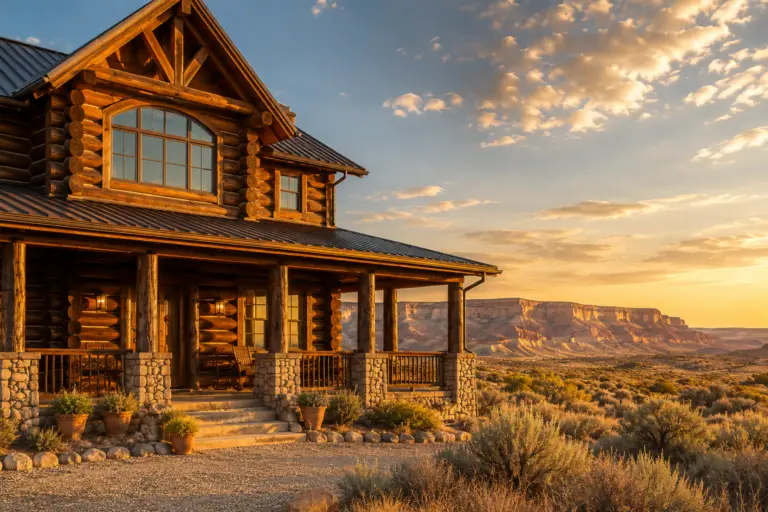








Log home restoration in Naturita, CO requires a different approach than restoration in wetter mountain towns or heavily shaded forest settings. Naturita sits in Colorado’s Western Slope canyon country, where dry air, strong sun, wind, dust, and seasonal temperature swings can wear down a log home long before major damage becomes obvious. A cabin may still look solid from the road while the finish is fading, chinking is pulling loose, checks are opening, and lower logs are beginning to absorb moisture near porches, decks, or shaded corners.
For Naturita homeowners, log restoration is not just about making a cabin look fresh again. It is about protecting the wood from the kind of exposure that comes with high-desert living. South- and west-facing walls take steady UV abuse. Wind can drive grit into the finish. Dry weather can make logs look thirsty and uneven. Then, when snowmelt, rain, roof runoff, or irrigation hits the structure, unprotected wood can take on water in the wrong places.
Pencil Log Pros helps homeowners think through the full condition of their log home before recommending a restoration plan. That may include cleaning, sanding, media blasting, staining, chinking, caulking, log repair, or a maintenance coat depending on what the home actually needs. Whether your property is close to Naturita, tucked outside town, or sitting on open acreage in the Nucla-Naturita area, the right restoration plan starts with understanding the local climate and how it affects exposed wood.
Why Naturita Log Homes Need High-Desert Restoration Care
Naturita has the feel of a high-desert Western Slope community rather than a damp alpine forest town. That matters for log homes. The air is typically dry, the sun can be intense, and many homes are exposed to wind, dust, and wide temperature changes. These conditions can be hard on exterior wood finishes, especially when a log home has not been maintained on schedule.
Dry Air and Strong UV Exposure
The biggest challenge for many Naturita log homes is sun exposure. UV rays slowly break down the outer finish on logs, especially on south- and west-facing walls that receive long hours of direct light. Over time, a once-rich stain color can become dull, gray, blotchy, or washed out. The logs may begin to look dry and rough, and the surface grain can become more pronounced.
Dry air adds to the problem. Logs naturally expand and contract as temperatures and humidity levels change. In a dry climate, the wood can develop checks, which are cracks that follow the grain. Some checking is normal in log construction, but larger upward-facing checks can collect water during storms or snowmelt. When finish protection is weak, those checks can become entry points for moisture.
Caulking and chinking can also suffer in this environment. When wood moves through hot days, cool nights, dry spells, and seasonal moisture, sealants may stretch, separate, crack, or pull away from the log surface. Once gaps open, air and water can move through places that were meant to stay sealed.
Wind, Dust, and Open-Country Exposure
Many Naturita-area properties sit in open country where the wind has room to move. Wind does more than make a cabin feel drafty. It can carry dust, grit, and fine debris that settle into horizontal log surfaces, corners, porch areas, and exposed trim. Over time, that buildup can make a finish look dirty and uneven. It can also hold moisture against the wood after storms.
Wind-driven weather can wear one side of a home faster than the others. A wall facing the prevailing weather may show earlier stain failure, raised grain, or chinking separation. Homeowners often notice that one side of the cabin looks faded and rough while another side still appears protected. That uneven wear is common in open high-desert settings and should be considered when planning restoration.
Seasonal Moisture Still Matters
Because Naturita is dry compared with many mountain regions, homeowners sometimes underestimate moisture risk. Dry climates can still produce rot when water is allowed to sit in the same place repeatedly. Roof runoff, snow piled against walls, splashback from hard surfaces, sprinkler overspray, shaded porch corners, and poor drainage can all create localized moisture problems.
Lower log courses are especially vulnerable. If the bottom logs are close to soil, concrete, decks, or landscaping, they may stay damp longer after storms. A log home can be surrounded by dry air and still have rot developing near one porch post, under one window, or along one shaded wall. Restoration should always include a close look at these high-risk areas.
What Naturita Weather Does to Log Homes Over Time
A log home rarely fails all at once. Weathering usually happens in stages. First, the stain loses color and water repellency. Then the wood surface begins to gray, dry out, or roughen. Checks open wider. Chinking and caulking start to separate. Eventually, moisture finds weak spots and causes soft wood, insect activity, or rot. The earlier a homeowner catches these changes, the easier it is to correct them.
Fading and Graying Logs
Fading is often the first sign that a log finish is wearing out. In Naturita, sun-facing walls may lose their color faster than shaded walls. The surface may turn gray or silver, especially where the stain has thinned. Some homeowners like the rustic look of weathered logs, but gray wood usually means the surface is no longer properly protected.
Once the finish breaks down, the outer wood fibers begin to deteriorate. New stain applied over damaged, oxidized wood will not perform as well as stain applied over properly prepared logs. That is why prep work matters. Depending on the condition of the cabin, restoration may require washing, sanding, buffing, or media blasting before a new stain system is applied.
Checking, Cracks, and Water Entry
Checks are normal in log homes, but they still need attention. Small checks may not be a problem if they shed water and the surrounding finish is strong. Larger checks, especially those facing upward, can collect moisture. In a freeze-thaw cycle, that moisture can expand and stress the wood. Over time, unsealed checks can contribute to rot from the inside out.
A proper restoration plan looks at the size, direction, and location of checks. Some may need flexible log caulking. Others may simply need cleaning and stain. The goal is not to seal every natural line in the wood. The goal is to keep water from settling where it can do damage.
Chinking and Caulking Separation
Chinking and caulking are critical parts of the weather barrier on many log homes. They seal gaps between logs, around windows and doors, at corners, and where different materials meet. In Naturita’s dry, sunny conditions, older sealants can become brittle or lose adhesion. Once that happens, gaps may open along the edges.
Failed chinking does more than affect appearance. It can allow drafts, dust, insects, and water into the wall system. If gaps are left open through multiple seasons, the logs around those joints can begin to stain or soften. During restoration, damaged chinking should be removed or repaired as needed so the new seal can bond properly.
Lower Log Rot and Porch-Side Damage
Lower logs deserve special attention in Naturita. Even in a dry climate, the bottom courses of a log home are often where the most serious problems begin. Splashback from rain, snowmelt from rooflines, poor grading, and deck connections can keep these logs damp. Porch areas can also trap debris and slow drying.
Soft spots, dark staining, punky wood, or logs that sound hollow when tapped may point to moisture damage. The repair could be minor, such as cleaning, drying, and sealing a small affected area. In more serious cases, rotten log sections may need to be cut out and replaced. The repair should also address the moisture source, or the same problem may return.
Log Home Restoration Services for Naturita-Area Properties
Every log home is different, even when homes are located only a few miles apart. A cabin on open acreage may be punished by sun and wind. A home near trees or irrigation may have more shaded moisture issues. A property used as a seasonal getaway may sit closed up for long periods, while a full-time residence may receive more frequent visual attention. Pencil Log Pros looks at the condition of the entire structure before recommending the right level of restoration.
Detailed Log Home Inspection
A good restoration project starts with inspection. The exterior finish should be checked for fading, peeling, flaking, dark staining, mildew, and water absorption. South- and west-facing walls should be compared with shaded walls. Corners, log ends, porch connections, deck areas, railings, window trim, door trim, and lower logs should all be reviewed closely.
The inspection should also look at chinking and caulking. Gaps, cracks, loose edges, and failed adhesion can all allow weather into the home. On older cabins, previous repairs may have used products that are not ideal for log movement. These areas may need to be corrected before new stain or sealant is applied.
Moisture-prone areas are especially important. A log home may look good across most of its exterior but still have one lower wall or corner that needs repair. Catching those areas early can prevent a small issue from becoming a major log replacement project.
Cleaning, Sanding, or Media Blasting
Surface preparation is one of the most important parts of log home restoration. Stain can only perform well when it bonds to a clean, sound surface. If dirt, dead wood fibers, old failing stain, or incompatible coatings remain on the logs, the new finish may fail early.
Some Naturita homes only need a maintenance wash and light prep before a fresh coat. This is more likely when the existing stain is still mostly intact and the wood has not gone gray. Other homes need more aggressive preparation. Sanding, buffing, or media blasting may be needed when the finish has failed, the logs are heavily oxidized, or old coatings are peeling.
Media blasting can be useful for removing failed finishes from detailed log surfaces, but it must be done carefully. The goal is to remove damaged material without harming the logs. After blasting or sanding, the surface should be cleaned and prepared so the new stain can penetrate and cure correctly.
Log Home Staining for High-Desert Conditions
Staining is one of the main defenses against Naturita’s sun and dry weather. The right stain system helps protect logs from UV exposure while allowing the wood to breathe. A quality finish should repel water, slow UV damage, and highlight the natural character of the logs without trapping moisture inside the wall system.
Color choice matters in a sunny high-desert setting. Darker colors may absorb more heat, while very light finishes may show weathering differently. The best choice depends on the home’s exposure, log species, existing stain history, and the homeowner’s desired look. A professional restoration plan should consider both appearance and long-term performance.
Proper application is just as important as product choice. Logs must be clean and dry enough for staining. Weather conditions should be suitable. The stain should be applied at the right thickness, with attention to log ends, checks, corners, and areas that receive heavy sun. Rushed stain work often leads to uneven color and shorter service life.
Chinking and Caulking Repair
Chinking and caulking help seal a log home while allowing natural movement. In Naturita, where logs can move through hot afternoons, cold nights, and dry seasonal shifts, flexible sealants are essential. Products that become hard or brittle may crack as the home moves.
Repair may involve cleaning the joint, removing loose material, installing proper backing where needed, and applying new chinking or caulking with good adhesion to both sides of the joint. Around windows and doors, careful detailing is especially important because these areas often collect water and show movement.
Homeowners should not ignore small gaps. A narrow separation can become a larger opening after another season of heat, cold, and wind. Sealing gaps early helps protect comfort, energy performance, and the logs themselves.
Rotten Log Repair and Log Replacement
Rot repair should be targeted, practical, and based on the actual damage. Not every dark stain means a log needs replacement. Some discoloration may be surface-level and correctable through cleaning and refinishing. Soft, punky, or structurally compromised wood requires more attention.
When damage is limited, a partial log repair may be possible. A damaged section can sometimes be cut out and replaced with a properly fitted repair piece. In other cases, a full log section may need replacement. The repair should match the home as closely as possible in size, profile, and appearance.
Most importantly, the cause of the rot must be corrected. If the original problem came from roof runoff, deck splashback, soil contact, or sprinkler overspray, the repair should include recommendations to keep that area drier in the future. Otherwise, the new wood may face the same conditions that damaged the old log.
Maintenance Coats and Long-Term Protection
Not every log home needs a full restoration. Many Naturita cabins can be protected with timely maintenance coats if the existing finish is still in good condition. A maintenance coat can refresh UV protection, improve water repellency, and extend the life of the stain system.
This is usually more cost-effective than waiting until the finish completely fails. Once logs turn gray, coatings peel, or moisture enters checks and joints, the project becomes more involved. Homeowners who inspect their cabins regularly and refresh the finish before it breaks down can often avoid heavier restoration work.
Signs Your Naturita Cabin May Be Ready for Restoration
Homeowners do not need to be log construction experts to notice early warning signs. A simple walkaround can reveal whether a cabin is ready for maintenance or restoration. The key is to look closely, especially on the sides of the home that receive the most sun and weather.
Gray or faded logs are one of the most common signs. If the wall that faces the afternoon sun looks much lighter than the rest of the home, the finish may be thinning. Peeling, flaking, or shiny patches can point to coating failure or past product issues. Raised grain and rough texture often mean the outer wood fibers have been weathered.
Dark stains below windows, near decks, along lower logs, or under roof runoff should also be taken seriously. These marks may show where water is repeatedly reaching the logs. If the wood feels soft, spongy, or crumbly, repairs may be needed before staining.
Gaps in chinking or caulking are another important clue. Look for cracks along the top or bottom edge of chinking lines, separation around window trim, open corners, or daylight showing through joints. Wind, dust, insects, and moisture can all enter through these gaps.
Other warning signs include mildew in shaded areas, insect holes, loose log ends, failed stain near porch rails, drafty corners inside the home, and checks that hold water after rain. Any one of these issues may be manageable when caught early. Several together may indicate the home is ready for a more complete restoration plan.
A Practical Maintenance Plan for Naturita Log Homes
Log home maintenance works best when it becomes a routine rather than a reaction to visible damage. Naturita’s climate rewards homeowners who stay ahead of sun and moisture exposure. A simple seasonal plan can help you spot problems before they spread.
Annual Walkaround After Winter
After winter, walk around the home and look for areas affected by snow, ice, and runoff. Pay attention to lower logs, porch edges, deck connections, and places where snow may have piled against the structure. Check whether gutters, downspouts, and roof valleys are moving water away from the logs.
Look closely at shaded corners and north-facing walls. Even in a dry region, these areas can stay damp longer. If you see dark staining, mildew, or soft wood, it is better to investigate early than wait until the damage becomes obvious.
Mid-Summer Sun Exposure Check
Mid-summer is a good time to evaluate UV wear. The south and west walls will usually tell you the most. If the stain looks faded, dry, or uneven, the home may need a maintenance coat. If bare wood is showing or the logs have turned gray, deeper prep may be required.
Railings, log posts, exposed beams, and deck-side details often weather faster than protected walls. These features may need attention before the rest of the home. Keeping them sealed helps preserve the overall appearance and structure.
Keep Water Moving Away From Logs
Water management is one of the most important parts of log home care. Gutters should be clean and working. Downspouts should discharge away from the foundation. Soil and gravel should slope away from the home where possible. Sprinklers should never hit the logs. Vegetation should be trimmed back so walls can dry after storms.
Porches and decks deserve extra attention. If boards trap debris against lower logs, or if splashback reaches the wall every time it rains, those areas may become long-term trouble spots. Small drainage improvements can make a big difference in the life of the logs.
Refresh Before the Finish Fully Fails
The best time to maintain a log finish is before it fails. Waiting for peeling stain, gray wood, or soft logs usually increases the scope of work. A timely maintenance coat can preserve color, protect against UV damage, and reduce the need for sanding or blasting later.
For Naturita homeowners, this proactive approach is especially useful because sun exposure can age a finish quickly. A wall may look acceptable one season and noticeably dry the next. Regular inspections help prevent surprises.
Realistic Naturita-Area Restoration Scenarios
Every project should be evaluated in person, but several common scenarios are realistic for log homes in the Naturita area. These examples are hypothetical, but they show how local conditions can shape the restoration plan.
Sun-Faded Cabin Outside Town
A log cabin on open acreage outside Naturita with faded west-facing walls would probably need more than a quick wash. If the stain has lost color and the wood surface has started to gray, the project might involve cleaning, sanding or media preparation, and a new UV-resistant stain system. The shaded sides of the home may need less aggressive prep, but the finish should still be blended for a consistent appearance.
Lower Log Damage Near a Porch
A ranch-style log home with splashback near a covered porch would likely need a close moisture evaluation. If lower logs show dark staining or soft spots, targeted repair may be needed before refinishing. The homeowner would also want to correct the drainage or splashback source so the repaired area stays protected.
Chinking Failure on a Rural Cabin
A rural cabin exposed to wind, dust, and seasonal movement could develop chinking separation along weather-facing walls. In that case, the repair would probably include removing loose material, cleaning the joint, installing backing where needed, and applying flexible chinking that can move with the logs. Addressing those gaps before a new stain coat helps protect the wall system.
Why Local Conditions Should Guide Every Restoration Plan
A Naturita log home should not be treated exactly like a cabin in a wet forest, a ski-area chalet, or a humid lakeside home. The local climate, exposure, elevation, drainage, and building details all matter. Restoration that works well in one region may not perform the same way in another.
In Naturita, the plan often starts with UV exposure and dry-weather wear. Stain selection, prep level, and maintenance timing should reflect the amount of sun the home receives. At the same time, the plan cannot ignore moisture. Water may be less frequent than in some mountain communities, but when it reaches unprotected checks, lower logs, or failed chinking, it can still cause serious damage.
Homes in nearby Western Slope and canyon-country communities often share similar concerns. A cabin near Gateway may face strong sun, dry air, and canyon winds. Properties around Norwood may deal with open-country exposure and seasonal weather shifts. A log home closer to Placerville may see a slightly different balance of mountain influence and dry Western Slope conditions. The details change from place to place, but the principle is the same: restoration should be based on the actual environment around the home.
That local approach helps avoid overdoing some parts of the project while missing others. A home may not need full blasting if the finish is still sound. Another home may not hold new stain properly without major prep. One cabin may need chinking repair, while another needs drainage correction before any finish work will last. The best plan is the one that responds to the real condition of the logs.
Service Area Relevance Around Naturita
Naturita is connected to a broader region of log homes, ranch properties, cabins, and high-desert retreats. Homeowners in this part of Colorado often think in terms of distance, exposure, access, and weather patterns rather than strict town boundaries. A property may be close to town but still feel remote because of wind, sun, and open land. Another may be tucked into a more protected setting but have moisture issues where shade lingers.
Pencil Log Pros understands that log home care across the Western Slope has to be practical. A homeowner in Naturita may be dealing with faded stain and dusty walls, while a homeowner near Telluride may have heavier snow exposure and more alpine moisture. A cabin owner near Moab may see similar high-desert sun but different building details and seasonal use patterns. Those comparisons help show why no single restoration formula fits every home.
For Naturita-area properties, the goal is to protect the cabin from the conditions it actually faces. That may mean heavier attention to sun-facing walls, careful check sealing, targeted lower-log repair, or a maintenance stain schedule that keeps the home from reaching full failure. The work should be durable, realistic, and matched to the way the property is used.
Why Homeowners Call Pencil Log Pros
Log restoration is detailed work. It requires more than applying another coat of stain over tired wood. Homeowners call Pencil Log Pros when they want a clear assessment, careful prep, and a restoration plan that makes sense for the condition of their home.
The process begins by looking at what is already happening to the logs. Are the walls fading evenly, or is one side failing faster? Is the stain still bonded, or is it peeling? Are checks collecting water? Is the chinking flexible and sealed, or is it pulling away? Are lower logs dry and solid, or are there signs of rot? These questions help determine whether the home needs maintenance, partial restoration, or more involved repair.
Good prep is one of the biggest differences between a short-term touch-up and a lasting restoration. Logs may need washing, sanding, blasting, detailed cleaning, or spot repairs before stain is applied. Chinking and caulking may need to be repaired before finish work is completed. Damaged wood may need to be addressed so the final result is not just attractive, but protective.
Pencil Log Pros also focuses on practical recommendations. Not every home needs the most aggressive option. At the same time, a home with failed finish and weathered logs should not be treated like a simple maintenance coat will solve everything. The right scope of work depends on the logs, the exposure, the budget, and the homeowner’s long-term goals.
For Naturita homeowners, this kind of honest evaluation is especially important. A dry climate can make some damage look less urgent than it really is. Logs may appear weathered but stable, while moisture is already entering checks or lower courses. A careful restoration plan helps protect the structure before small issues become expensive repairs.
Protect Your Naturita Log Home Before Damage Spreads
A log home in Naturita has to stand up to sun, wind, dust, dry air, seasonal moisture, and years of natural wood movement. With the right maintenance and restoration plan, those conditions can be managed. Without timely care, faded stain, open checks, failed chinking, and lower-log moisture can lead to larger problems.
If your cabin is starting to look gray, dry, cracked, or uneven, it may be time to have the logs evaluated. Even a small amount of early maintenance can help extend the life of the finish and reduce the need for heavier restoration later. If damage has already started, a targeted repair and refinishing plan can help bring the home back to a stronger condition.
To talk through log home restoration in Naturita, scroll to the bottom of the page and connect with Pencil Log Pros. A well-timed restoration plan can protect your cabin, improve curb appeal, and help your log home handle the Western Slope climate for years to come.