
The Log Home Repair Estimator is a free tool that gives log home owners a real price range in about two minutes. Three short steps cover your home's size, its current condition, and the work it needs — staining, chinking, media blasting or log replacement. Pencil Log Pros follows up with a free consultation when you want exact numbers.
Want exact numbers? Request a detailed quote at the end.
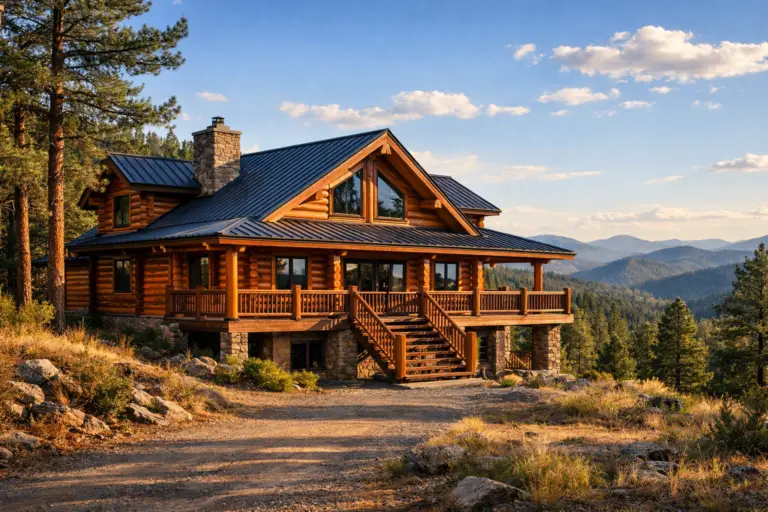
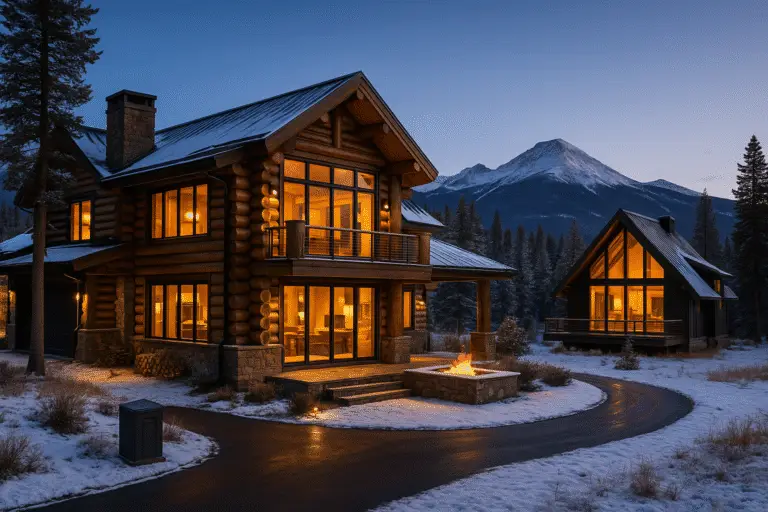
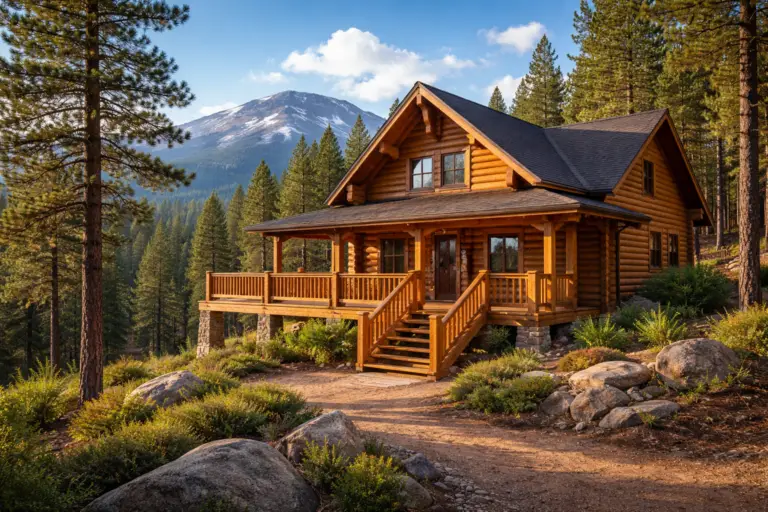
No obligation. See pricing as you select the repairs or maintenance needed for your log home or cabin.
Log home repair costs vary more than most homeowners expect. The biggest cost drivers are exterior wall square footage (the foundation of every estimate), surface condition (peeling, failing, or dark stain dramatically increases prep time), media blasting requirements (if existing coatings need removal before staining, costs rise significantly), chinking and sealant condition (cracked or missing chinking adds material and labor), log rot or soft spots (structural repair before finishing), and site access (steep terrain, tight decks, or tall structures require specialized staging). Use the estimator above to get a planning range, then submit photos for an exact scope-based quote.
Costs are based on exterior wall square footage. These are planning ranges — final pricing depends on condition, prep, and scope:
A 1,500 sq ft exterior re-stain on a well-maintained home may run $3,000–$6,000. A neglected home needing full restoration can reach $15,000–$40,000+. Photos and a walkthrough produce exact numbers.
Every range below is priced on exterior wall square footage, not floor area. A 1,500 sq ft exterior is a common size for a mountain log home. Condition, access, and elevation move the final number, which is why the estimator asks what it asks.
| Work | Typical range | Priced on |
|---|---|---|
| Log home staining only, well-maintained home | $1.50–$3.50 / sq ft | Exterior wall square footage |
| Staining plus washing and surface prep | $2.00–$4.50 / sq ft | Exterior wall square footage |
| Media blasting plus staining | $4.00–$8.00 / sq ft | Exterior wall square footage |
| Full restoration: blasting, chinking, staining, minor log repair | $8.00–$18.00 / sq ft | Exterior wall square footage |
| Log rot repair, before finishing | $500–$5,000+ | Per project, by scope and extent |
| 1,500 sq ft re-stain, well-maintained home | $3,000–$6,000 | Worked example |
| 1,500 sq ft neglected home, full restoration | $15,000–$40,000+ | Worked example |
Maintenance costs a fraction of restoration, and the gap is larger than most owners expect. On the ranges above, a maintenance coat on a home that has been kept up runs $1.50 to $3.50 per square foot. A full restoration on a home that was let go runs $8.00 to $18.00. That is four to six times more for the same wall.
The difference is prep. On a maintained home you are paying for cleaning and a finish coat. On a neglected home you are paying to remove a failed coating, repair what rotted underneath it, re-seal every joint, and then finish. You pay for the same wall twice, plus the damage.
On a 1,500 sq ft exterior, that is roughly $2,250 to $5,250 per maintenance cycle against $15,000 to $40,000 or more for a full restoration.
How often a maintenance cycle comes due is not a fixed number. UV load climbs with elevation, south and west walls fail first, and snowpack against the lower courses shortens the interval further. A home at 9,000 feet in Crested Butte does not run on the same schedule as one at 4,600 feet in the Grand Valley. Pencil Log Pros sets the interval at inspection rather than quoting a generic warranty year.
Chinking is quoted per linear foot of joint, not per square foot of wall, and we do not publish a single per-foot figure because bead width changes it. A 1-inch joint and a 3-inch joint use very different volumes of material and take very different amounts of labor. Any company quoting one flat chinking price sight-unseen is guessing, and the guess is built to protect them, not you.
On most projects chinking is carried inside the $8.00 to $18.00 per square foot full-restoration range above. As a standalone job it is measured at inspection.
Log replacement follows the same logic. Rot repair before finishing falls in the $500 to $5,000+ range depending on how far the damage runs. Full or partial replacement of a load-bearing log is a different job again: it needs shoring, an understanding of how load redistributes while the wall is open, and in most jurisdictions a licensed general contractor. Brad Siler holds a Certified Licensed General Contractor Class C license, which is why a Pencil Log Pros project does not stop the day a stain problem turns out to be a structural one.
Two log homes of identical size can differ by 5x. Condition drives it, and condition is not visible from a phone call. A well-maintained home with sound joints and an intact finish is a cleaning and a coat. A home with peeling stain, open corners, and soft logs behind the finish is a rebuild that happens to end in stain.
The estimator narrows the range in a couple of minutes. Photos and a walkthrough close it to an exact number. The free consultation costs nothing and it is the only way to know which of those two homes you own.
The Pencil Log Pros Log Home Repair Estimator was built to give Colorado log homeowners a fast, honest cost range before committing to a quote process. Estimates are based on real project data from log home restorations completed throughout Colorado and the Mountain West.
Licensed Contractor: Brad Siler, Certified Class C General Contractor. Developer & SEO: M. Curtis McCoy. This tool is designed to give homeowners a reliable planning range — not a binding quote. Scope, photos, and a site walkthrough are required for exact pricing.
Last updated: April 2026
Prep and condition drive the swing. Peeling stain, heavy buildup, access limits, and log damage change the scope fast.
It changes prep, protection, and cleanup. It is often used when coatings must come off before staining can last.
Sometimes. If stain is failing, thick, or uneven, stripping or blasting may be the right prep step.
Look for cracks, separation, drafts, or water entry. Corners and long runs show problems first.
Peeling often points to prep needs. Very dark areas can signal moisture or coating failure. Share photos for a scope-based quote.
Rot changes the work plan. Repair may be needed before staining or sealing. Call out soft areas in the form.
Photos, a short description of the worst areas, access notes, and your timing goal.
Yes. Add photos in the JobTread form. It speeds up scoping and reduces surprises.
We review your info, confirm scope questions, then return a more accurate quote based on the details.
Timeline depends on prep, weather windows, and scope. Once we confirm scope, we can give a realistic schedule.
If the range fits your budget, submit the JobTread form. If you are unsure, add photos and notes so we can guide next steps.
You have your ballpark range. Submit details for a scope-based quote for your log home restoration.
Log homes are unlike any other structure. The wood breathes. It moves with the seasons. It holds history in every ring and knot. That beauty is also what makes log home repair a highly individualized process — there is no flat rate, no one-size-fits-all answer, and no honest contractor who can give you a real number without first knowing the details of your specific home.
That is exactly why the free Log Home Repair Estimator above exists. Rather than calling around and waiting days for someone to call you back, you can enter your home’s basic details right now and instantly see a planning range tailored to your situation. It takes under two minutes. No registration required. No obligation.
But to get the most out of that number — and to understand what drives it up or down — it helps to understand what log home restoration actually involves.
Log home repair is an umbrella term that covers several overlapping services. Depending on the condition of your home, a full restoration scope might include any combination of the following:
Staining is the most common log home maintenance service. A quality exterior stain protects the wood from UV damage, moisture penetration, mold, and graying. When it is time to restain a log home, the condition of the existing coating matters enormously. A home with a peeling or failing finish requires full removal before a new product can bond correctly. A home with a faded but intact finish may be able to receive a maintenance coat. The right answer depends on what is actually on the wood — and that is one of the variables the estimator accounts for.
When old stain or sealant must be removed — whether it is peeling, blistering, deeply discolored, or simply incompatible with a new product — media blasting is typically the most effective preparation method. Corn cob, walnut shell, and other soft media can strip a log surface without gouging or damaging the wood fibers the way pressure washing sometimes can.
Media blasting adds labor, equipment, and time to any project. Whether your home needs it is one of the first questions the estimator will walk you through. If you are unsure, that is fine — the tool is designed to help you figure that out as you go.
Chinking is the flexible, mortar-like material that fills the gaps between log courses. It keeps out air, water, insects, and cold. Over time, chinking cracks, separates, or pulls away from the wood as the logs settle and shift. When chinking fails, you lose energy efficiency and open the door to moisture damage inside the wall system.
Re-chinking a log home is a detailed, skilled process. The old material must be removed or repaired, backer rod may need to be installed, and the new chinking must be tooled correctly so it bonds to both log surfaces without bonding to the middle — a concept called a two-point bond. The linear footage of chinking on your home, combined with its current condition, determines how much this portion of a project will add to the overall scope.
Rot is the result of prolonged moisture exposure — either from failed chinking, improper roof runoff, missing or damaged caulk around windows and doors, or years of deferred maintenance. When soft spots or discoloration appear on the logs themselves, the damage has to be addressed before any coating work begins. Depending on severity, log repair might mean borate treatment and consolidant application, epoxy filling, partial log replacement, or in serious cases, full log removal and re-notching.
Log repair is the most variable part of any restoration estimate. A home with no visible rot is very different from one with soft corners or punky ends. The estimator gives you a way to flag whether rot is present, and that factor is built into the planning range you receive.
If you have spent any time searching for log home restoration costs, you have probably found ranges so wide they are not very useful. That is not a coincidence. Log home repair costs vary based on a long list of factors that cannot be averaged out in any meaningful way.
The size of the home matters — but so does the height. A two-story log home requires staging or lift equipment that a single-story home does not. The pitch of the roof, the complexity of the gable ends, the number of dormers, and the depth of the overhangs all affect how long the job takes and how difficult it is to access the surfaces that need treatment.
The species of wood matters too. Some species hold stain differently than others. Some are more prone to checking or weathering. The age of the home, the quality of the original construction, and whether prior maintenance was done correctly all feed into the current condition — and the current condition is the single biggest variable in any restoration estimate.
Geography also plays a role. Homes in Colorado, Utah, Wyoming, and across the Mountain West face extreme UV exposure at elevation, dramatic seasonal temperature swings, and in some locations, significant humidity from spring snowmelt. These environmental conditions accelerate wear on log home finishes compared to lower-elevation climates, and they inform which products and preparation methods will hold up long term. The Log Home Council is a helpful industry resource for log home owners and builders.
The free Log Home Repair Estimator on this page was built specifically to take these variables into account. Rather than giving you a single number that means nothing, it gives you a planning range based on the actual inputs you provide. That range is a starting point — a way to gauge whether a project fits your budget before you ever pick up the phone.
The estimator works best when you take a few minutes to look at your home before you start. Walk around the exterior. Look at the logs. Look at the chinking. Look at the corners and the areas under windows and around doors. Notice whether the finish is fading evenly, peeling in patches, or still looking relatively solid. Touch any areas that look discolored or soft. Check where the roof runoff hits the logs below.
You do not need to be an expert. The tool will ask you questions in plain language, and it is designed to work even if you are not sure about some of the answers. If you do not know whether your home needs blasting, for example, you can select the option that reflects your uncertainty and the tool will factor in a conservative range.
Once you have your estimate range, you will have a much clearer picture of what to expect when you start requesting formal quotes. You will know which questions to ask. You will know whether a bid is in the right ballpark. And you will know whether you need to budget for any log repair work before the coating and chinking work can begin.
The estimator gives you a planning range, not a contract. For a scope-based quote tied to your specific home, photos, and conditions, the next step is to submit a quote request to Pencil Log Pros. Brad Siler, a Certified Class C Licensed General Contractor, reviews every quote request personally and responds with a detailed, project-specific proposal.
Pencil Log Pros serves Colorado and the Mountain West, with experience on everything from small weekend cabins to large primary residences and commercial log structures. If you have photos of your home, include them in your quote request — they dramatically speed up the quoting process and help ensure your proposal is as accurate as possible.
If you are early in the planning process and just want a ballpark to work with, use the estimator now. It is free, takes under two minutes, and gives you the kind of grounded starting point that makes every conversation with a contractor more productive.
Get a Scope-Based Quote from a Licensed Contractor →
Content reviewed by Brad Siler, Certified Class C Licensed General Contractor, and M. Curtis McCoy, Developer & SEO/AEO Specialist. Last updated: April 2026.