
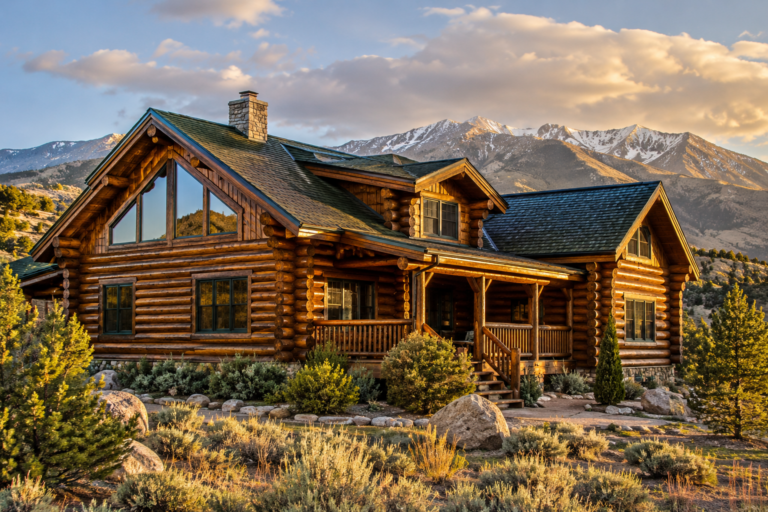








Log home restoration in Old La Sal, UT requires a different approach than restoration work in lower desert towns or wetter mountain communities. Old La Sal sits near the La Sal Mountains, where rural homes, cabins, ranch properties, and mountain retreats deal with a mix of high-elevation sun, winter snow, dry air, wind, and seasonal temperature swings. That combination is hard on exterior logs. A finish that looks acceptable from the driveway may be thin, brittle, sun-burned, or already allowing moisture into checks, corners, and lower log courses.
Pencil Log Pros helps homeowners in Old La Sal protect and restore log homes before cosmetic wear turns into structural damage. Whether your cabin has faded south-facing walls, peeling stain, cracked chinking, dark lower logs, or open checks that collect rain and snowmelt, the right restoration plan starts with careful inspection and proper surface preparation. Log homes are built to last, but they need maintenance that matches the climate around them.
In Old La Sal, that means paying close attention to UV exposure, snow buildup, drainage, stain condition, caulking, chinking, rot, and the way each side of the home weathers differently. Homes near open meadows, ranch ground, timbered slopes, and mountain roads may all age in different ways. Homeowners who also compare cabin care in nearby Moab often notice that Old La Sal properties need a more mountain-minded maintenance plan, especially when snow, freeze-thaw cycles, and shaded walls are part of the picture.
Why Log Homes in Old La Sal Need Specialized Restoration
Old La Sal has a setting that creates real maintenance challenges for log homes. The community sits near the eastern side of the La Sal Mountains, where mountain weather and high-desert conditions overlap. That means a log home can experience intense sun exposure during the day, cold nights, dry wind, winter snow, spring runoff, and sharp changes in temperature. Exterior logs expand and contract through those cycles. Over time, that movement affects stain, sealant, chinking, and exposed wood fiber.
High-elevation sunlight is one of the biggest factors. UV rays break down the outer surface of wood and cause logs to turn gray, dry, and rough. South- and west-facing walls usually show damage first because they take the longest and strongest sun exposure. Once the stain begins to fail, the wood underneath loses protection. The surface can become absorbent, which allows moisture from rain, melting snow, or wind-driven storms to soak in instead of shedding away.
Dry air is another concern. It can pull moisture from logs and make existing checks more noticeable. Checking is a natural part of how logs age, but not every check is harmless. Upward-facing cracks, deep openings, or checks near joints and corners can collect water. When water sits in those openings, especially through freeze-thaw cycles, the damage can spread. A cabin that looks “dry but okay” may already have areas where the finish is no longer protecting the log.
Old La Sal homes also face practical rural maintenance issues. Some properties are seasonal. Some have long driveways, uneven drainage, decks built close to the ground, or snow that sits against lower walls through winter. These details matter. A good restoration plan does not just make logs look fresh again. It addresses how water moves around the structure, where sun exposure is strongest, and which areas need extra protection before the next season of weather arrives.
Common Log Home Problems Around Old La Sal
Sun-Bleached and Weathered Logs
One of the most common issues on Old La Sal log homes is sun-bleached wood. Logs may turn gray, silver, dull brown, or rough to the touch. This is especially common on walls that face open exposure with little shade. Once UV damage breaks down the surface, stain cannot perform the way it should unless the damaged layer is cleaned, sanded, or removed properly. Applying new stain over weathered wood without the right prep usually leads to uneven color, poor adhesion, and a shorter service life.
Cracked or Failing Stain
Stain failure can show up as peeling, flaking, blotchy color, dark patches, shiny areas, or dry-looking logs that no longer repel water. In Old La Sal, stain failure often appears first where sun, wind, and moisture work together. A wall may be baked by summer sun, then hit by snow and cold wind in winter. If the existing coating is too brittle, too old, or poorly bonded to the wood, it can crack and separate. Once that happens, the logs underneath are exposed.
Open Checks and Water Intrusion
Checks are natural cracks that form as logs dry and move. They are not automatically a sign of failure. The concern is whether they are shaped or positioned in a way that traps water. Upward-facing checks on exposed walls deserve careful attention because they can collect rain, melting snow, and debris. If water repeatedly sits in those openings, the surrounding wood may darken, soften, or begin to decay. A deep check near a corner, window, or log end can also become an entry point for drafts and insects.
Chinking and Caulking Separation
Chinking and caulking help seal the gaps between logs and around trim, windows, doors, corners, and butt joints. As log walls move, older or poorly installed materials can pull away. In Old La Sal, that separation can let in cold air during winter and dust during dry windy months. Failed chinking can also allow water to reach areas that are difficult to dry. Even a small gap can become a bigger maintenance issue when it is exposed to repeated weather cycles.
Soft Logs, Rot, and Insect Damage
Rot often starts where moisture lingers. On a log home near Old La Sal, that may include lower log courses, shaded walls, deck connections, splashback areas, exposed corners, or spots below roof runoff. Warning signs include dark staining, soft or punky wood, hollow-sounding areas, musty smells, insect activity, or logs that crumble when probed. A lower log on a shaded wall near Old La Sal would probably need closer inspection if snow sits against it through winter or if water drains toward the foundation instead of away from it.
Our Log Home Restoration Process in Old La Sal
Inspection and Moisture Evaluation
A successful restoration starts with understanding the condition of the home. Pencil Log Pros looks at the full exterior, not just the most obvious faded wall. The inspection includes stain condition, log texture, checks, corners, chinking, caulking, trim details, lower courses, deck areas, and roof runoff patterns. The goal is to find out where the home is weathering normally and where moisture or coating failure may be causing deeper damage.
Moisture evaluation is especially important in a mountain-edge climate. A wall may appear dry on the surface while holding moisture in checks, joints, or soft areas. Lower logs near porches, decks, shrubs, or snow storage zones often need extra attention. If the home has gutters, short overhangs, or roof valleys that dump water onto log walls, those details should be addressed as part of the long-term maintenance plan.
Cleaning, Sanding, or Media Blasting
Surface preparation is one of the most important parts of log home restoration. New stain will only perform well if the surface underneath is clean, sound, and ready to accept the finish. Depending on the existing coating and wood condition, preparation may involve washing, sanding, media blasting, detail sanding, or a combination of methods.
Light maintenance may only require cleaning and a compatible maintenance coat. Heavier restoration may require removing failed stain, UV-damaged wood fiber, or incompatible coatings. Media blasting can be useful when old finishes are deeply failed or when logs need to be stripped back for a more complete restoration, but it is not the right choice for every situation. The best method depends on the log species, surface condition, age of the coating, desired appearance, and how much material needs to be removed.
Log Repair and Replacement Planning
Once the surface is clean, damaged areas are easier to evaluate. Some soft spots may be shallow and repairable. Others may require more involved work. Pencil Log Pros considers whether rot can be removed and repaired, whether a compatible filler or epoxy-style repair is appropriate, or whether partial log replacement should be considered. If damage appears structural, the homeowner may need additional evaluation before finish work continues.
A cabin with soft lower logs near a porch would probably need selective rot removal, moisture correction, and possibly partial log replacement before staining. Covering damaged wood with new stain does not solve the problem. Restoration should deal with the source of the moisture and the condition of the wood before the final finish is applied.
Chinking and Sealant Work
Chinking and caulking are part of the home’s weather barrier. During restoration, old sealant is checked for adhesion, flexibility, cracking, and separation. Failed areas may need to be removed and replaced. Gaps around windows, doors, trim, butt joints, log ends, and corners should be sealed with materials designed for log movement. Ordinary caulk is often not enough for a log structure because the walls expand, contract, and shift with humidity and temperature changes.
The timing of chinking and sealing depends on the products being used and the condition of the home. In some cases, certain sealing work happens after prep and before stain. In other cases, it is coordinated with the stain system for compatibility. The important point is that the home should be sealed as a system, not patched randomly.
Stain Selection for Mountain and High-Desert Exposure
Stain selection matters in Old La Sal because the finish has to handle strong sunlight, dry air, cold weather, and moisture from snow and rain. Breathable stains are often preferred for log homes because trapped moisture can create problems. Pigment also matters. Clear finishes usually do not provide the same UV protection as pigmented stains. A well-chosen color can help shield the wood while still giving the home a natural appearance.
Homeowners sometimes choose stain based only on color, but performance is just as important. The existing coating, wood condition, prep method, exposure, and maintenance goals all influence the recommendation. A rustic cabin tucked into the trees may need a different maintenance plan than a large exposed log home facing open meadow and afternoon sun.
Final Walkthrough and Maintenance Guidance
After restoration, homeowners need to know how to keep the home protected. Pencil Log Pros helps identify the areas to watch first, such as sun-facing walls, lower logs, checks, roof runoff zones, and chinking lines. A good final walkthrough gives the homeowner practical guidance, not just a finished project. The goal is to help the home stay ahead of weathering instead of waiting until the next full restoration becomes necessary.
Old La Sal homeowners who also maintain cabins or rural properties near Monticello may recognize similar high-desert and mountain-edge issues, but every home still needs to be evaluated based on its own exposure, design, drainage, and maintenance history.
Log Cabin Staining in Old La Sal’s Mountain Climate
Log cabin staining in Old La Sal is about protection first and appearance second. A fresh stain can make a cabin look warmer, richer, and better cared for, but the real purpose is to shield the logs from UV damage and moisture. When stain is applied correctly over a properly prepared surface, it helps the wood shed water, resist sun damage, and maintain a more stable exterior surface.
Preparation is what separates a lasting stain job from a short-term color change. If old stain is peeling, glossy, dirty, mildew-stained, or worn down to bare wood, the surface needs correction before a new finish is applied. Staining over failed coatings can trap problems underneath and create uneven results. On older cabins, especially those that have gone too long between maintenance coats, restoration may require a deeper prep process before stain can perform as intended.
Old La Sal’s climate also makes maintenance coats important. A maintenance coat is usually less involved and less expensive than full restoration, but it needs to be done before the finish fails completely. South and west walls may need attention sooner than shaded north walls. Log ends, railings, exposed beams, and porch posts may also weather faster because they take more direct moisture and sun.
Color choice can influence performance. Heavily pigmented stains often provide stronger UV protection than very light or nearly clear finishes. That does not mean every home needs to be dark, but it does mean the stain should be chosen with the local exposure in mind. In a place like Old La Sal, where mountain sun and dry air can be tough on wood, the finish needs to do more than look good on day one.
Chinking and Caulking for Old La Sal Log Homes
Chinking and caulking play a major role in the comfort and durability of a log home. Chinking is commonly used between log courses, especially where there are wider gaps or traditional log profiles. Caulking is often used around smaller joints, windows, doors, trim, corners, and checks. Both materials help keep out air, water, insects, and dust.
In Old La Sal, failed chinking can be especially noticeable in colder months. Wind can drive cold air through gaps that seemed minor during summer. A cabin exposed to winter wind near Old La Sal would likely benefit from checking older chinking before cold weather settles in. If chinking has pulled away from the logs, cracked through the middle, or lost adhesion along the edges, it may no longer be sealing the wall properly.
Modern log home chinking and sealants are designed to remain flexible. That flexibility matters because log walls move. A rigid material may crack or separate as the logs expand and contract. The right product must be installed over a clean, prepared surface, with proper backing where needed, and in a way that allows the joint to move without tearing apart.
Even homes with wide overhangs and good drainage still need sealant maintenance. Window bucks, door trim, corner details, exposed log ends, and butt joints can all become entry points for water. Homeowners in nearby Pack Creek often deal with similar cabin maintenance concerns because mountain weather, shade, snow, and sun exposure can all affect how sealants age.
Rot Repair and Log Replacement for Rural Utah Cabins
Rot repair is one of the most important reasons to inspect a log home before applying new stain. Stain can improve the appearance of weathered logs, but it cannot restore wood that has already softened or decayed. If rot is present, the damaged area needs to be evaluated and repaired before the home is refinished.
Moisture is usually the cause. On rural Utah cabins, rot often appears on lower log courses where splashback, snow buildup, or poor drainage keeps wood damp. It can also appear around deck ledgers, porch posts, window trim, door openings, roof runoff areas, and exposed corners. Shaded north-facing walls may dry slowly after storms or snowmelt, while south-facing walls may suffer more from UV damage that weakens the finish and allows water to enter.
The correct repair depends on the extent of the damage. A small area of surface decay may be cleaned out and repaired with a compatible restoration method. More serious damage may require cutting out the affected section and installing a partial log replacement. If an entire lower course is compromised, the repair becomes more involved and may require careful planning to protect the structure while the damaged material is removed.
A cabin with dark staining below a window would probably need the trim, sealant, and nearby log surface inspected to determine whether water has been entering behind the finish. A home with soft logs near a deck connection would probably need both the damaged wood and the water source addressed. Without correcting the reason the log stayed wet, the same problem can come back after the repair.
Maintenance Timing for Old La Sal Log Homes
Log home maintenance in Old La Sal should follow the seasons. The best time to catch problems is before they become urgent. Because the area sees both mountain weather and dry high-desert conditions, homeowners should look at their cabins more than once a year, especially if the property is seasonal or sits vacant for long periods.
Spring is a good time to inspect for snowmelt issues. Homeowners should look at lower logs, splashback zones, foundation edges, deck areas, and places where snow may have piled against the structure. Dark staining, soft wood, peeling finish, or chinking separation should be noted early. Spring is also a good time to check whether roof runoff is landing on log walls or collecting near the foundation.
Summer is when UV exposure becomes more obvious. Fading, dry-looking logs, rough surfaces, and open checks are easier to see. If water no longer beads on the surface, the finish may be losing its protective value. Summer can also reveal which walls are taking the hardest sun exposure and may need maintenance sooner than the rest of the home.
Fall is the time to seal gaps before winter. Chinking, caulking, checks, and trim joints should be reviewed before cold wind, snow, and freezing temperatures arrive. Winter is not usually the ideal season for major restoration, but homeowners can still watch for snow buildup, ice dams, and areas where moisture sits against the logs.
Old La Sal’s rural character also matters. Many properties in the area are working homes, retreats, hunting cabins, or second homes. When a cabin is not occupied every day, small problems can go unnoticed. A yearly inspection can help prevent surprises and keep maintenance manageable.
What Makes Old La Sal Different from Moab or Lower Desert Areas
Old La Sal is close enough to the red-rock country of southeastern Utah that some homeowners assume their maintenance needs will be the same as a lower desert home. In reality, Old La Sal has a different set of concerns. The elevation, mountain influence, winter weather, and seasonal moisture all affect how log homes age.
Homes closer to the Moab area may deal more heavily with desert heat, dust, and intense sun. Old La Sal homes can still face strong UV exposure, but they are more likely to see cold nights, snow, mountain storms, and freeze-thaw cycles. That changes the way stain, chinking, caulking, and checks should be evaluated. Water management becomes especially important because snow can sit against lower logs, melt during the day, and refreeze at night.
Compared with lower desert communities, Old La Sal cabins may also have more shaded areas, timbered surroundings, or rooflines designed for snow. Shade can protect logs from sun, but it can also slow drying. A shaded wall with poor airflow may be more vulnerable to moisture problems than an exposed wall that dries quickly after a storm.
Homeowners in Spanish Valley and Castle Valley may see related issues from sun and dry air, but Old La Sal’s mountain-flank setting makes snow, cold-weather sealing, and seasonal moisture a bigger part of the conversation. That is why log home restoration should be matched to the specific site instead of treated like a one-size-fits-all stain job.
Signs Your Old La Sal Log Home Is Ready for Restoration
The most obvious sign that a log home needs restoration is faded or gray wood. When logs lose their warm tone and begin to look dry, rough, or washed out, the finish may no longer be protecting the surface. If the wood feels fuzzy or splintered, UV damage has likely started breaking down the outer fibers.
Peeling or flaking stain is another clear warning sign. Once a coating separates from the wood, water can get behind it. That can create blotchy areas, dark streaks, or hidden moisture problems. A shiny coating that has cracked may also be a concern because it can trap moisture instead of allowing the logs to breathe properly.
Homeowners should also pay attention to how water behaves on the logs. If rain or sprayed water soaks into the surface instead of beading or shedding, the finish may be worn out. Large upward-facing checks should be inspected, especially if they are deep enough to hold water. Chinking that is pulling away, cracking, or missing in sections should be repaired before wind and moisture make the gap worse.
Soft wood near the foundation, dark stains below windows, insect activity, musty smells, and hollow-sounding logs are signs that the problem may go beyond normal weathering. Drafty walls can also point to failed chinking or gaps between logs. Waiting too long usually turns a maintenance project into a deeper restoration project. Catching these signs early gives the homeowner more options and can reduce the amount of repair needed.
Choosing a Log Home Restoration Contractor in Old La Sal, UT
Choosing the right contractor matters because log homes require different knowledge than conventional siding, stucco, or painted trim. A log home restoration contractor should understand how logs move, how stains interact with wood, how to identify rot, and how to prepare surfaces correctly. The contractor should also be able to explain the difference between maintenance staining, full restoration, chinking repair, caulking, media blasting, sanding, and log repair.
Old La Sal homeowners should look for practical recommendations, not generic answers. The right plan depends on the age of the home, the log profile, the existing coating, the exposure, the drainage, and the homeowner’s goals. A cabin with a mostly sound finish may only need cleaning, detail work, and a maintenance coat. A home with peeling stain, gray logs, failed chinking, and soft lower courses may need a more complete restoration.
Rural access is also part of the job. Properties near Old La Sal may have long drives, seasonal access concerns, limited water availability, livestock considerations, outbuildings, uneven staging areas, or changing weather windows. A contractor should respect the property and plan the work with those details in mind. Good communication is especially important for second-home owners who may not be on site every day.
A strong contractor will also be honest about what restoration can and cannot do. Stain can protect sound wood and improve appearance, but it cannot fix rot by itself. Chinking can seal movement joints, but it must be installed properly. Media blasting can remove failed coatings, but it should be used carefully. The best restoration work combines craftsmanship, product knowledge, and a clear understanding of the local environment.
Serving Old La Sal and Nearby Southeastern Utah Communities
Pencil Log Pros serves homeowners in Old La Sal and nearby southeastern Utah communities where log homes face a demanding mix of sun, wind, snow, and dry air. The region includes mountain cabins, rural ranch homes, vacation properties, hunting retreats, and custom log homes that need thoughtful care to stay protected.
Every property is different. A cabin tucked into trees may need more attention to moisture and slow drying. A home on open ground may need stronger focus on UV exposure and wind-driven weather. A ranch-style log home may have lower courses exposed to splashback, while a larger custom home may have complex rooflines, decks, dormers, and trim details that require careful sealing.
Whether the home needs maintenance staining, chinking repair, log rot evaluation, or a full exterior restoration, the goal is to build a plan around the actual condition of the logs and the realities of the Old La Sal climate. That practical approach helps homeowners protect both the appearance and the long-term durability of their log homes.
Schedule Log Home Restoration in Old La Sal, UT
If your Old La Sal log home is faded, cracked, drafty, or showing signs of moisture damage, now is the time to inspect it before small issues spread. Sun-burned logs, failed stain, open checks, separated chinking, and soft lower courses are easier to address when they are caught early. Waiting until the wood is deeply damaged can make restoration more involved and more expensive.
Pencil Log Pros can help evaluate the condition of your logs, stain, chinking, caulking, exposed wood surfaces, and problem areas around the home. From maintenance coats to full restoration planning, the right service should match your home’s exposure, age, coating history, and weather conditions near the La Sal Mountains.
To get started, go to the bottom of the page and connect with Pencil Log Pros. A careful look at your Old La Sal log home today can help protect its structure, comfort, and mountain character for years to come.