
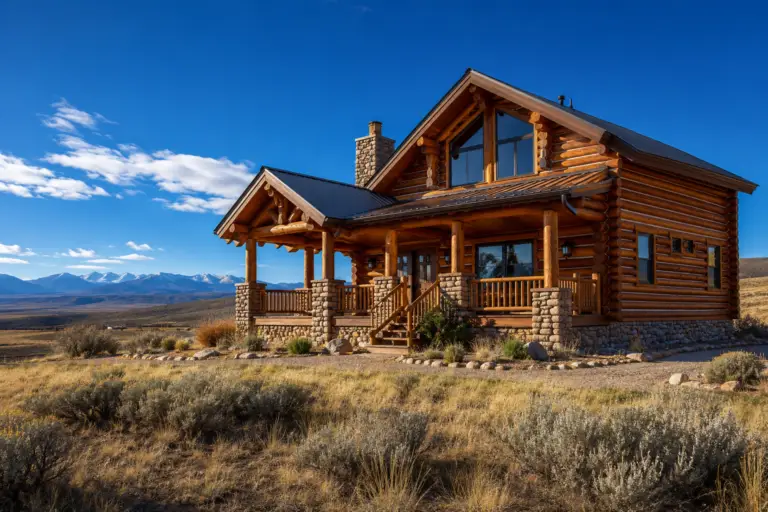








Log home restoration in Norwood, CO takes a different kind of planning than it does in wetter mountain towns or lower valley communities. Norwood sits high on Wright’s Mesa, where open sky, dry air, strong sun, winter snow, and steady wind can all work against exterior logs. A log home may look solid from the road, but the surface can be quietly losing stain protection, opening checks, pulling away at chinking lines, or taking on moisture near decks, corners, and lower courses.
Pencil Log Pros helps Norwood-area homeowners protect log homes, log cabins, ranch properties, and mountain retreats with practical restoration work built around the local climate. Whether your home needs a full exterior restoration, careful log staining, chinking repair, log cabin caulking, sanding, media blasting, or targeted log repair, the goal is the same: restore the wood correctly before small weathering problems turn into larger structural and finish failures.
In Norwood, the exterior walls that face the strongest sun often age faster than shaded walls. Dry conditions can make logs shrink and check. Winter storms can leave snow packed against lower logs, deck connections, porch posts, and log ends. That mix of high-desert exposure and seasonal moisture makes regular maintenance especially important for homeowners who want their cabin to keep its color, character, and long-term durability.
Why Norwood’s High-Desert Climate Is Tough on Log Homes
Norwood’s setting gives homeowners wide-open views, big skies, and a rural Colorado feel, but that same exposure can be hard on log structures. Log homes are built from natural material that reacts to sun, moisture, temperature changes, and movement. When a finish system starts to fail, the logs underneath become more vulnerable to ultraviolet damage, checking, water entry, insects, and decay.
Strong Sun and UV Exposure on Open Mesa Properties
One of the biggest issues for log homes around Norwood is sun exposure. On open mesa properties, south- and west-facing walls often take a heavy beating from afternoon sun. Over time, ultraviolet rays break down stain pigment and dry the exposed wood surface. The first signs may be subtle: a wall that looks dull, a finish that has lost its richness, or logs that appear gray, washed out, or uneven compared to more protected sides of the home.
Once stain fades past the maintenance stage, the wood itself starts absorbing more of the damage. Bare or oxidized wood does not hold a new finish as well as properly prepared, healthy wood. That is why log home staining in Norwood is not just about improving curb appeal. The right stain system helps shield the logs from sun, wind, dust, and seasonal weather.
Dry Air, Wind, and Log Checking
Dry air is another major factor. Logs naturally expand and contract as moisture levels change. In a dry climate, checks can open wider, especially on sun-facing walls and older logs that have already lost some finish protection. Checking is normal in log construction, but some checks need attention because they can hold dust, water, insects, and debris.
Wind can add to the problem by pushing dust and grit into open cracks, seams, corners, and trim lines. Before staining, those areas should be inspected and cleaned so the new finish and sealants can bond properly. Sealing upward-facing checks, repairing gaps, and addressing failed caulking can make a major difference in how well the home handles the next round of weather.
Snow, Freeze-Thaw, and Seasonal Moisture
Even though Norwood has a dry high-desert feel, winter moisture still matters. Snow can sit against lower log courses, porch posts, railings, stair stringers, deck edges, and trim. As snow melts during the day and freezes again overnight, it can stress old chinking, caulking, and finish systems. Small gaps can become larger gaps, and water can find its way into places that looked tight during warmer weather.
Areas where logs meet stone, concrete, decks, roof runoff, or soil grade deserve extra attention. These are common locations for water staining, soft wood, and hidden decay. A good restoration plan looks at the whole building envelope, not just the most visible wall.
Complete Log Home Restoration Services in Norwood, Colorado
A complete log home restoration should start with the condition of the home, not a one-size-fits-all checklist. Some Norwood homes only need cleaning, spot sanding, fresh caulking, and a maintenance coat. Others need more involved surface preparation, stain removal, log repair, chinking replacement, or sealing before finish work can begin.
Full Log Home Inspection and Restoration Planning
The first step is a careful walkaround inspection. This helps identify faded stain, peeling finish, gray oxidized wood, open checks, loose chinking, failed caulking, soft log sections, water stains, insect activity, and vulnerable log ends. In Norwood, special attention should be given to exposed walls, roof runoff zones, deck connections, and lower courses that deal with snow and splashback.
Restoration planning also includes looking at the existing coating. Some older finishes can be cleaned and recoated. Others are too failed, too thick, or incompatible with a new stain system. Applying stain over a coating that is not bonded well can lead to blotchy color, poor adhesion, and early failure.
Log Cleaning, Sanding, and Surface Preparation
Surface preparation is one of the most important parts of log home restoration. Dirt, oxidized wood fibers, failing stain, mildew staining, and old contaminants can keep new products from bonding. Depending on the home, preparation may include washing, sanding, media blasting, or a combination of methods.
Lightly weathered logs may only need a proper cleaning and targeted sanding. Heavily oxidized walls or failed coatings may require more aggressive prep. The goal is not to strip away character. The goal is to create a clean, sound, consistent surface that can accept stain evenly and hold up under Norwood’s sun, wind, and winter conditions.
Log Staining and Protective Finish Systems
Exterior stain is the main line of defense for a log home. In Norwood, a good stain system should provide UV protection, shed moisture, and allow the logs to breathe. Pigment matters because it helps block sunlight. Clear coatings without enough UV protection usually do not hold up well on exposed Colorado log homes.
Stain selection should be based on the wood condition, existing finish, sun exposure, homeowner preference, and maintenance goals. A home with mostly intact stain may be a good candidate for a maintenance coat. A home with bare wood, peeling coating, or heavy graying may need deeper preparation and a full restoration stain system.
Chinking, Caulking, and Sealant Repair
Chinking and caulking help seal the home against wind, water, dust, drafts, and insects. Over time, sealants can pull away from logs, crack at the edges, or lose flexibility. In a dry climate with seasonal temperature swings, that movement is expected, but it should not be ignored.
Norwood log homes often need sealant attention around corners, window trim, door trim, log ends, checks, butt joints, and areas where logs meet different materials. Similar sealant issues show up on log homes near Placerville and Telluride, though Norwood’s open mesa exposure often adds more wind and direct sun to the equation.
Log Repair and Replacement
Not every weathered log needs replacement, but soft, punky, or deeply deteriorated wood should be repaired before the home is stained. Staining over damaged logs only hides the issue for a short time. The better approach is to remove compromised material, repair or replace sections where needed, seal vulnerable areas, and then refinish the home as a complete system.
Common repair areas include lower courses, log ends, porch posts, railings, deck-adjacent logs, and corners that have taken repeated water exposure. Careful repairs help preserve the home’s appearance while strengthening its long-term performance.
Common Log Home Problems Around Norwood
Every log home is different, but certain problems show up often in the Norwood area because of the local mix of sun, dryness, snow, wind, and elevation. Catching these issues early can help homeowners avoid larger restoration costs later.
Faded South and West Walls
Faded walls are one of the clearest signs that a finish system is wearing down. On an exposed Norwood property, one side of the house may look dramatically different from another. The shaded side may still have good color and sheen, while the sun-facing side looks dry, flat, or gray.
This is more than a cosmetic issue. When stain pigment breaks down, the wood receives less UV protection. That can lead to surface deterioration, rough texture, poor water shedding, and deeper checking. A maintenance coat applied at the right time can often extend the life of the existing stain and prevent the need for more aggressive restoration.
Open Checks and Weathered Log Faces
Checks are natural cracks that form as logs dry and move. Many are harmless, especially if they shed water and remain shallow. Others should be cleaned and sealed, especially if they face upward or collect moisture. In Norwood’s windy climate, open checks can also collect dust and organic debris, which may hold moisture against the wood after storms or snowmelt.
Weathered log faces often need sanding or other preparation before stain is applied. If gray fibers are left in place, the new finish may bond to weak surface material instead of solid wood. That can shorten the life of the stain and create an uneven appearance.
Failed Chinking Around Corners and Settling Areas
Chinking can fail where logs move, settle, or receive heavy sun. Corners, long wall runs, and areas around windows and doors are common trouble spots. When chinking pulls away, it can allow drafts, water, and insects into the wall system.
Repairing chinking is not just a matter of filling cracks. Failed material may need to be removed, the joint may need to be cleaned, and the new chinking needs the right profile and adhesion surface. Proper installation helps the sealant move with the logs instead of tearing loose too soon.
Water Damage Near Decks, Grade, and Roof Runoff
Water problems often begin where the home’s design traps moisture. Deck ledgers, stair connections, flat rail surfaces, short roof overhangs, poor drainage, and logs too close to grade can all create issues. Snowmelt and splashback can darken the wood, soften lower courses, and encourage decay if the finish has failed.
Good restoration work includes identifying why damage happened in the first place. Sometimes the answer is better sealing. Sometimes it is a repair, a drainage improvement, or ongoing maintenance around high-risk areas.
Log Home Staining in Norwood, CO: Why Timing Matters
Timing makes a big difference in log home staining. Waiting until the stain has completely failed usually means more sanding, more prep, more labor, and more cost. A maintenance coat applied while the existing finish is still sound can help preserve the home and reduce the need for a full restoration later.
When a Maintenance Coat Is Enough
A maintenance coat may be enough when the stain is faded but still bonded, the wood is not heavily grayed, and there are no widespread areas of peeling or bare logs. The home may need washing, spot sanding, check sealing, caulking touch-ups, and then a compatible maintenance coat.
This is often the most cost-effective time to act. The logs still have protection, the surface is easier to prepare, and the new coat can refresh the appearance while strengthening the existing finish system. For Norwood homeowners, this is especially useful on walls that take steady afternoon sun.
When Full Stripping or Sanding May Be Needed
A more complete restoration may be needed when the finish is peeling, blotchy, dark, heavily weathered, or incompatible with a new coating. Gray oxidized wood, shiny failing film, bare spots, and uneven old stain layers are signs that simple recoating may not be enough.
In those cases, proper surface removal and preparation are critical. The goal is to get back to a clean, stable wood surface before applying new stain. Skipping this step can trap problems under the finish and lead to early failure.
Choosing Stain for High-UV Colorado Conditions
Norwood’s sun exposure makes stain choice important. A good exterior log stain should provide pigment, breathability, water resistance, and compatibility with the existing surface. Darker or richer tones may provide stronger UV protection, but the best option depends on the home, the wood, the previous coating, and the desired look.
Homeowners should also think about future maintenance. A stain system that can be maintained with periodic cleaning and maintenance coats is often better than a product that looks good at first but becomes difficult to repair or refresh later.
Chinking and Caulking for Norwood Log Cabins
Chinking and caulking play a major role in log cabin comfort and protection. In Norwood, where wind, dust, dry air, and winter weather all come into play, open gaps can become more than a nuisance. They can let in cold drafts, hold moisture, and give insects an easy path into the structure.
Why Gaps Open in Mesa and Mountain Conditions
Logs move as the seasons change. Dry summer weather can shrink the wood, while winter conditions can create contraction and stress around joints. Older cabins may also have settling, aging sealants, or past repairs that no longer flex with the structure.
Gaps often appear between log courses, around corners, at butt joints, and along trim. Some are small and easy to address. Others point to broader chinking or caulking failure that should be repaired before the home is stained.
Where Sealant Failure Usually Starts
Sealant failure commonly begins in high-movement or high-exposure areas. Window and door trim, log corners, checks on upward-facing logs, and areas under roof runoff are all worth inspecting. Log ends also need attention because end grain can absorb moisture quickly when it is not sealed and protected.
Homes near Ridgway and Mountain Village may see more alpine moisture and snow exposure depending on the property, but the same basic rule applies: seal gaps before water and weather have a chance to get deeper into the logs.
Keeping Out Water, Wind, Dust, and Insects
Good chinking and caulking improve comfort, energy performance, and durability. They help reduce drafts, block dust, slow insect entry, and protect vulnerable joints from moisture. They also help the finished home look complete by creating clean lines between logs, trim, corners, and repair areas.
For the best results, sealant work should be coordinated with staining. That way the logs are clean, the joints are properly prepared, and the finish system works together instead of being patched in pieces.
Log Cabin Repair for Norwood-Area Homes, Ranches, and Retreats
Many Norwood-area log homes are on rural parcels, ranch properties, or private retreats where exposure can vary from one side of the home to the other. A wall facing open pasture may age faster than a protected porch wall. A lower course near melting snow may deteriorate while upper logs remain in good shape. Targeted repair helps address those weak points before they spread.
Repairing Weathered Log Ends and Lower Courses
Log ends are vulnerable because end grain absorbs moisture more readily than the face of the log. If stain and sealant fail around log ends, water can work in and create dark staining or soft wood. Lower courses face added risk from snow, splashback, plants, and poor drainage.
Repair may involve removing soft material, treating affected areas, replacing damaged sections, sealing log ends, and improving the finish system. The repair should blend with the existing home as much as possible while still solving the underlying problem.
Porch Posts, Railings, Deck Connections, and Trim
Porch posts, deck rails, exposed beams, and trim boards often fail before the main wall logs because they take direct weather from multiple sides. Flat rail surfaces can hold snow. Deck connections can trap water. Posts can wick moisture at the base if they sit too close to concrete, soil, or poor drainage areas.
These features should be inspected during restoration because they affect both appearance and performance. Repairing them before staining helps the entire exterior look consistent and prevents weak areas from undermining the rest of the project.
Addressing Damage Before It Spreads
Small log repairs are usually easier to manage than widespread decay. A single soft log end, open check, or failed caulking joint can often be addressed directly. Left alone, the same issue can spread into adjoining logs, trim, or interior finishes.
That is why Pencil Log Pros approaches restoration as more than surface work. The stain is important, but the wood underneath has to be sound. Repair, sealing, and preparation all come before the final finish.
A Practical Restoration Plan for Norwood Log Homeowners
A good restoration plan gives homeowners a clear path forward. It helps separate urgent repairs from routine maintenance and keeps the project focused on what the home actually needs.
Step 1: Inspect the Logs and Existing Finish
Start with a detailed exterior inspection. Look for fading, peeling, gray wood, soft areas, open checks, loose chinking, missing caulking, dark water stains, and insect activity. Pay close attention to south- and west-facing walls, lower logs, deck connections, porch posts, and areas under roof runoff.
This inspection helps determine whether the home needs a maintenance coat, spot repairs, or a full restoration. It also helps avoid the mistake of applying stain over wood that is not ready.
Step 2: Clean, Sand, or Strip the Surface Correctly
Preparation should match the condition of the logs. A lightly weathered home may need a professional wash and selective sanding. A heavily failed coating may need sanding, blasting, or more complete removal. Weathered gray fibers should be removed so the new stain bonds to sound wood.
This step is especially important in Norwood because sun-damaged surfaces can look dry and absorbent but still have weak fibers that will not hold a finish well.
Step 3: Repair Logs, Checks, Chinking, and Caulking
Before stain goes on, damaged wood and failed sealants should be addressed. Checks that collect water may need sealing. Loose chinking may need replacement. Gaps around windows, doors, trim, and corners may need fresh caulking. Soft log ends or lower courses may need repair.
Skipping repairs can leave hidden weaknesses under a fresh coat of stain. A restored log home should not just look better on day one. It should be better protected for the next season of sun, snow, wind, and moisture.
Step 4: Apply a Finish System Built for the Property
The best stain system depends on the home’s exposure, wood type, previous coating, color goals, and maintenance expectations. A home on an open mesa lot may need a different approach than a shaded cabin with more tree cover. Walls with heavy sun may also need closer maintenance attention over time.
The finish should be applied under appropriate weather conditions, with attention to surface moisture, temperature, wind, sun exposure, and cure time. Product performance depends not only on what is applied, but how and when it is applied.
Step 5: Schedule Maintenance Before the Finish Fails
Once the home is restored, maintenance should not be an afterthought. Annual walkarounds can help catch fading, open checks, loose caulking, and small water problems early. Maintenance coats can extend the life of the stain and reduce the need for future stripping or heavy sanding.
For many Norwood homeowners, late spring, summer, and early fall are good times to evaluate exterior logs and plan work, depending on weather windows and product requirements.
Hypothetical Norwood Log Home Restoration Scenarios
The following examples are realistic situations that could happen around Norwood. They are not presented as completed projects, but they show how different conditions can affect the restoration approach.
Sun-Faded Mesa Home Outside Town
A log home on an open parcel outside Norwood with strong southern exposure would probably show faster fading on the most exposed walls. The shaded sides might still have color, while the sun-facing logs could look dry, gray, or uneven. This type of home would likely need a detailed wash, sanding where oxidation is present, check sealing, caulking touch-ups, and a UV-resistant stain system.
If the existing stain is still bonded, a maintenance coat may be enough. If the wood is heavily weathered or the old coating is failing, deeper preparation would probably be needed before refinishing.
Older Cabin With Loose Chinking and Drafts
An older cabin with chinking pulling away at corners and between courses would likely need failed material removed, joints cleaned, and new chinking installed before staining. Drafts, dust, and small water stains around the gaps would suggest the seal is no longer doing its job.
For this kind of cabin, the restoration plan might include sealant repair, spot sanding, log cleaning, and a stain system that ties the repaired areas into the rest of the exterior. If the chinking is addressed before finish work, the final result should look cleaner and perform better.
Ranch-Style Log Home With Lower-Course Moisture Issues
A ranch-style log home with snowmelt and splashback near the lower logs might need more than a fresh coat of stain. Dark staining, soft areas, or finish failure near grade could point to drainage, roof runoff, or deck-related moisture problems.
This type of home would probably need the lower courses inspected carefully, any damaged wood repaired, log ends sealed, and the surrounding finish restored. It may also need practical prevention steps, such as keeping vegetation away from the logs and improving how water moves away from the structure.
How Norwood Compares to Nearby Colorado Log Home Areas
Norwood’s restoration needs are shaped by its mesa setting. Compared with higher alpine communities, Norwood may feel drier and more open, with strong sun and wind playing a larger role in exterior wear. Compared with lower-elevation western Colorado towns, it still has enough winter snow and freeze-thaw activity to make moisture protection important.
Log homes near Telluride and Mountain Village may see heavier alpine snow loads and colder mountain conditions, depending on the property. Homes closer to Naturita often share more of Norwood’s dry, high-desert influence. Ridgway and Placerville can bring their own mix of elevation, sun, and moisture exposure.
The key is to avoid treating every Colorado log home the same. A restoration plan should reflect the specific home, its elevation, its exposure, its existing finish, and the way weather hits the building throughout the year. Norwood homeowners benefit from a practical approach that accounts for sun damage, drying, wind, snow, and water management all at once.
Best Times of Year to Restore or Stain a Log Home in Norwood
Weather windows matter more than calendar dates. Stain, chinking, caulking, and repair products all have application requirements, and those requirements should guide the schedule. Surface moisture, temperature, wind, direct sun, and cure time can all affect the quality of the finished work.
Spring and Early Summer Planning
Spring is a good time to inspect for winter damage. Snowmelt may reveal water stains, soft lower logs, open gaps, or failed sealants that were not obvious in the fall. Planning early also gives homeowners time to schedule work before the strongest heat and sun of summer.
Early summer can offer useful working conditions, but wind, storms, and surface temperature still need to be considered. Logs should be dry enough to accept stain, and preparation should not be rushed.
Late Summer and Early Fall Maintenance
Late summer and early fall can also be good times for maintenance, especially when homeowners want the exterior protected before winter. If the stain is starting to fade but has not fully failed, a maintenance coat before snow season can help preserve the finish.
Waiting too late into cold weather can create problems with product cure times and surface conditions. That is why it is smart to evaluate the home before the season is almost over.
Weather Conditions Matter During Application
Direct afternoon sun can heat log surfaces quickly. Wind can affect drying and application. Rain, snow, frost, and high surface moisture can interfere with adhesion. A good restoration crew watches the conditions and adjusts the process so the products have the best chance to perform.
Why Local Knowledge Matters for Norwood Log Home Restoration
Log homes are not all maintained the same way. A cabin tucked into a shaded mountain draw has different needs than a home sitting on an open mesa. A newer log package with a good finish history needs a different plan than an older cabin with unknown coatings and years of deferred maintenance.
Norwood’s climate calls for close attention to sun, wind, dryness, snowmelt, and finish compatibility. The right restoration process should protect the logs while preserving the natural look that makes the home worth caring for in the first place.
Pencil Log Pros focuses on practical, condition-based restoration. That means looking closely at what the logs are doing, how the old finish is performing, where water is getting in, and what the homeowner wants the home to look like after the work is complete. The result should be a home that looks refreshed, sheds weather better, and is easier to maintain going forward.
Good restoration also helps homeowners plan ahead. Instead of waiting for peeling stain, loose chinking, or soft logs to become obvious from a distance, routine inspections and timely maintenance can keep the home in better shape year after year.
Schedule Log Home Restoration in Norwood, Colorado
If your Norwood log home is showing faded stain, open checks, loose chinking, cracked caulking, gray wood, or weathered log faces, it may be time to take a closer look. The sooner those issues are addressed, the easier it usually is to protect the logs and avoid more involved repairs.
Pencil Log Pros can help with log home restoration, log cabin staining, chinking repair, caulking, sanding, surface preparation, log repair, and long-term maintenance planning for Norwood-area properties. Whether your home needs a full restoration or a focused maintenance coat, the best next step is to evaluate the condition of the logs and build a plan around the way your home is actually exposed to the weather.
To talk through your Norwood log home restoration needs, scroll to the bottom of the page and connect with Pencil Log Pros.