
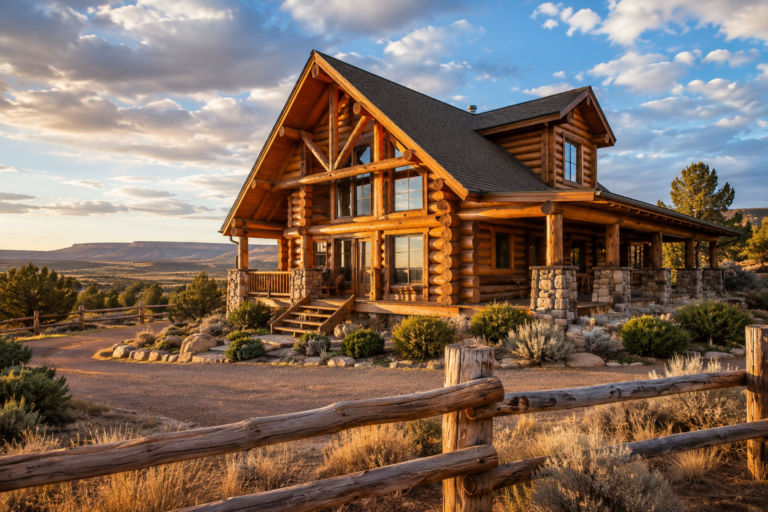








Log homes in Dove Creek, Colorado, live in a climate that can be beautiful, demanding, and hard on exterior wood. This part of Dolores County has wide-open exposure, dry air, high-elevation sun, wind-blown dust, cold winter nights, and seasonal moisture that can seep into checks, seams, corners, and lower log courses. A log home may look solid from the road, but once the stain begins to fade or the chinking starts to separate, the logs can lose protection faster than many homeowners expect.
Pencil Log Pros provides log home restoration in Dove Creek, CO for homeowners who want their cabins, ranch homes, and rural log structures protected for the long run. Whether your home sits near town, along an open county road, or on acreage outside Dove Creek, the goal is the same: restore the wood correctly, seal vulnerable areas, and build a maintenance plan that fits the local climate.
In Dove Creek, log home care is not just about making the exterior look fresh again. Restoration protects the structure from sun damage, surface checking, wind-driven dust, snowmelt, failed stain, water intrusion, and hidden wood decay. The right approach can help extend the life of the logs, improve curb appeal, and prevent small maintenance issues from becoming expensive repairs.
Log Home Restoration in Dove Creek, CO
Log home restoration is a detailed process that starts with understanding the condition of the home. A faded wall may only need cleaning, light prep, and a maintenance coat. A badly weathered wall may need sanding, media blasting, stain removal, check sealing, caulking, chinking repair, and new stain. A home with soft logs, dark staining, or moisture damage may need targeted wood repair before any finish work begins.
That diagnosis matters in Dove Creek because the local environment can wear on different parts of a home in different ways. South- and west-facing walls often take the hardest sun exposure. Lower logs near porches, decks, or snow buildup may show moisture problems first. Log ends, corners, and trim transitions can dry out, crack, or pull away from sealants. A one-size-fits-all stain job does not solve those issues.
What Restoration Usually Includes
A complete restoration plan may include inspection of the log walls, corners, fascia, trim, porch posts, railings, decks, window openings, door openings, exposed log ends, and chinking lines. The process may also include removing failed finish, cleaning oxidized wood, sanding rough surfaces, media blasting old coatings, repairing damaged logs, sealing checks, renewing caulking, repairing chinking, applying stain, and adding a protective topcoat when appropriate.
The right sequence is important. Staining over dirt, dust, loose finish, gray wood, or soft spots usually leads to poor results. Restoration should bring the wood back to a sound, clean, properly prepared surface before the new finish is applied. That is especially important in a high-desert setting, where strong sun can quickly expose weak prep work.
Why Dove Creek Homes Need a Localized Approach
Dove Creek does not have the same moisture profile as a shaded mountain town or a damp forested valley. The area is drier, more open, and more exposed to sun and wind. That means stain selection, prep standards, and maintenance schedules need to account for UV exposure, dry wood movement, surface dust, and seasonal temperature swings.
For many Dove Creek homeowners, the most important question is not simply, “Can this home be stained?” The better question is, “What does this home need before the wood stain will actually last?” A professional restoration approach looks at the whole exterior system, including how water drains, where snow collects, how the old coating is performing, and whether the logs are still protected where it matters most.
How Dove Creek’s High-Desert Climate Affects Log Homes
Dove Creek sits in a high-desert agricultural setting where log homes face a mix of intense sunlight, dry air, dust, cold weather, and seasonal moisture. That combination can be tough on exterior wood. Logs naturally expand, contract, absorb moisture, dry out, and move with the seasons. When the protective finish begins to fail, that movement can become more visible through checking, rough grain, fading, discoloration, and open seams.
The local climate does not always damage logs dramatically at first. Many problems begin slowly. A wall loses its rich color. A few checks open on the sunny side. Caulking pulls away near a window. Chinking develops hairline cracks. Lower logs begin to look darker after winter. These may seem like small cosmetic issues, but they can point to areas where the home is losing protection.
Sun and UV Exposure
The sun is one of the biggest factors in log home maintenance around Dove Creek. High-elevation sunlight can break down stains, dry the wood’s surface, and leave logs looking gray, washed out, or uneven. South- and west-facing walls tend to show this first because they receive more direct afternoon sun.
Once UV damage begins to break down the finish, the wood beneath becomes more vulnerable. The surface can roughen, open grain can hold dust, and the stain may stop shedding moisture the way it should. A maintenance coat applied at the right time can often extend the life of the existing finish. Waiting too long may require deeper prep, including sanding or media blasting.
Dry Air, Checking, and Open Grain
Dry air is part of life in southwest Colorado, and it affects how log homes age. Logs can develop checks as the wood dries and moves. Not every check is a structural problem, but upward-facing checks deserve attention because they can collect rain, snowmelt, dust, and debris.
In a dry climate, it is easy to assume moisture is not a major concern. The reality is different. Even occasional moisture can create problems when it enters unsealed checks, sits against lower logs, or gets trapped behind failed caulking. The risk comes from repeated wet-dry cycles, especially when wood is no longer protected by a sound stain system.
Wind-Blown Dust and Finish Wear
Dove Creek’s rural roads, open fields, and windy conditions can carry fine dust onto log walls. Dust may not seem as serious as rain or snow, but over time it can dull the finish, settle into rough grain, and make a home look older than it is. If the finish is already failing, dust can cling to exposed wood, making prep more involved.
Good restoration work accounts for this. Before stain is applied, the logs need to be properly cleaned and prepared. If old finish is still bonded and compatible, a maintenance process may be possible. If the surface is dirty, oxidized, peeling, or uneven, the home may need more aggressive prep before stain will bond correctly.
Winter Snow, Freezing Nights, and Moisture Intrusion
Dove Creek winters can bring snow, cold nights, and freeze-thaw conditions. Snow sitting against lower log courses, porch posts, steps, deck connections, and splash zones can introduce moisture into areas that are already vulnerable. If the stain has failed or the caulking has separated, that moisture can move into the checks and seams.
Freezing temperatures can make the problem worse. Water that enters a crack can freeze, expand, and slowly enlarge the opening. Over time, this can lead to failed sealants, widened checks, softened wood, and dark staining. A well-maintained log home sheds moisture rather than absorbing it, and that is one of the main reasons restoration should be addressed before damage spreads.
Signs Your Dove Creek Log Home Needs Restoration
Many log homes give clear warning signs before major repairs are needed. The challenge is knowing which signs are cosmetic and which ones point to deeper maintenance concerns. In Dove Creek, homeowners should pay close attention to walls that face the strongest sun, lower logs near snow or splashback, and any areas where water can sit or enter.
Faded or Gray Logs
Faded logs are common in sunny, dry climates. Gray wood usually indicates that the surface has lost its protection and is being weathered by UV exposure. A little fading may be addressed with maintenance staining if the existing finish is still bonded and the wood is sound. Heavy graying often requires more preparation because stain needs a clean, stable surface to perform.
Peeling, Flaking, or Uneven Stain
Peeling stain is a sign that the coating is no longer performing properly. Applying more stain over peeling or flaking material is rarely a lasting fix. The loose finish must be addressed first so the next coating can bond to sound wood or a compatible existing finish.
Uneven color can also point to inconsistent weathering. One side of the home may be ready for a maintenance coat, while another side may need full finish removal. A good restoration plan separates those conditions instead of treating the entire structure as if every wall has the same needs.
Cracked Chinking or Gaps Around Logs
Chinking and caulking help seal the spaces where air, dust, insects, and moisture can enter. When chinking cracks, pulls away, or loses adhesion, the wall system becomes more vulnerable. Gaps around logs can also affect indoor comfort, especially during windy weather or cold winter nights.
Small separations may be repairable. Larger failures may require removal and replacement. The best approach depends on the material’s age, how well it is bonded, and whether the logs are still moving normally with seasonal changes.
Soft Spots, Dark Staining, or Water Marks
Soft wood, dark streaks, and persistent water marks should be taken seriously. These signs may indicate moisture intrusion, a failed finish, poor drainage, or wood decay. Stain can improve appearance and protection, but it cannot restore rotten or punky wood. Damaged areas need to be repaired before finish work begins.
Drafts or Interior Moisture Clues
Some exterior problems show up inside the home. Drafts near corners, windows, doors, and log seams can indicate failed sealants or open gaps. Moisture marks on interior log walls may point to water entry from the outside. These issues should be evaluated before they become larger structural concerns.
Log Home Staining in Dove Creek’s Dry Country
Staining is one of the most visible parts of log home restoration, but it is only as good as the prep behind it. In Dove Creek, stain has to withstand sun, dry air, wind, dust, and winter exposure. The best finish system is chosen based on the condition of the logs, the previous coating, the home’s exposure, and the homeowner’s maintenance goals.
Why Prep Matters Before Staining
Preparation is what separates a quick cosmetic coat from a professional restoration. Logs may need washing, sanding, buffing, media blasting, or spot stripping, depending on the condition of the existing finish. Dirt, oxidation, dead wood fibers, and loose coating can all prevent stain from bonding correctly.
Prep also gives the restoration crew a chance to find problems that may not be obvious at first glance. Once the home is cleaned and evaluated closely, it is easier to identify open checks, failed caulking, soft areas, damaged log ends, and sections where water has been getting behind the finish.
Choosing the Right Finish for Sun and Dry Air
Log home stains need to protect the wood while allowing it to move. In a dry, sunny area like Dove Creek, UV-resistant pigments and breathable stain systems are especially important. Clear coats may also be part of the maintenance plan, depending on the product system and exposure.
Color choice can matter, too. Richer tones often provide stronger UV protection than very light or nearly clear finishes, though the right choice depends on the look of the home and the product being used. The goal is to balance appearance, durability, and future maintenance.
Best Timing for Stain Work Around Dove Creek
Late spring, summer, and early fall often provide useful windows for exterior log home work in Dove Creek, but timing still requires care. Stain should not be applied when the wood is too wet, when temperatures are outside the product range, when wind is blowing heavy dust onto the surface, or when direct sun is causing the wall to heat too quickly.
Professional application involves more than picking a warm day. The crew has to watch wall temperature, shade, wind, overnight conditions, and cure time. That attention helps the finish bond properly and gives the home a better chance of long-term performance.
Log Repair, Rot Repair, and Wood Replacement
Even in dry country, log homes can develop rot and wood damage. The problem usually appears where water gets trapped or where finish has failed for too long. Lower log courses, exposed log ends, deck intersections, and window trim are common trouble spots because they are subject to more splashback, snow contact, or drainage issues.
Repairing damaged wood before staining is essential. Stain is a protective finish, not a structural repair. If a log is soft, punky, hollowed, or deeply cracked, it needs proper repair before the home is sealed and finished.
Common Trouble Areas on Log Homes
Homeowners should pay close attention to logs near grade, especially where soil, snow, vegetation, or splashback keeps moisture close to the wood. Deck ledgers, porch posts, railings, stair connections, and log ends can also wear faster than broad wall surfaces.
Window and door areas deserve careful inspection. Failed caulking, poor flashing, or small gaps can let moisture enter behind trim. Over time, that moisture can cause dark staining, soft wood, and finish failure around the opening.
Repair Before Finish
A sound restoration plan fixes wood problems first, then protects the repaired areas with the right finish system. Depending on the extent of the damage, repair may involve epoxy consolidation, partial log repair, log end repair, Dutchman-style patches, or full log replacement. The right repair depends on the extent of damage and the role that log plays in the wall system.
Skipping repair may make the home look better for a short time, but it does not solve the underlying issue. Once stain covers the surface, hidden damage can continue to worsen if moisture is still entering the wood.
A Realistic Dove Creek Restoration Scenario
A rural log home outside Dove Creek with faded south walls, weathered lower logs, and open upward-facing checks would probably need more than a maintenance coat. That home would likely need a careful inspection, targeted log repair where soft spots are found, sanding or media blasting on the most weathered walls, check sealing, fresh stain, and renewed caulking or chinking where gaps have opened.
A newer cabin closer to town with intact stain and only light fading might need a simpler maintenance process. That could include cleaning, spot sanding, minor caulk repair, and a maintenance coat before the finish fails. The difference between those two homes comes down to timing, exposure, and the condition of the existing coating.
Chinking and Caulking for Dove Creek Log Cabins
Chinking and caulking are critical parts of log home performance. They help seal gaps, reduce drafts, block dust, discourage insects, and prevent moisture from entering vulnerable joints. In Dove Creek, where wind and dust are common concerns, those sealants do more than improve appearance. They help the home stay tighter and more protected.
Why Gaps Matter in a Dry Climate
Dry climates still get moisture. Snow, rain, and melting ice can enter small openings when the timing and exposure are right. Wind can drive moisture into gaps that would not be a problem on a calm day. Once water reaches unfinished wood inside a check or seam, it can stay there longer than expected.
Gaps also allow dust and insects to move into the wall system. Over time, this can affect comfort and maintenance. A log home that looks solid from a distance may still need detailed sealant work around checks, corners, trim, and openings.
Where Caulking Usually Fails First
Caulking often fails first around windows, doors, vertical corners, trim transitions, utility penetrations, and exposed checks. These areas move, heat up, cool down, and shed water differently than the main wall surface. When caulking loses flexibility or pulls away from the wood, it should be repaired before moisture finds a path inside.
Proper caulking requires clean surfaces, compatible materials, correct joint sizing, and careful tooling. Simply smearing new caulk over dirty or failed material rarely creates a lasting seal.
Chinking as Part of Full Restoration
Chinking may need patching, cleaning, or full replacement depending on its condition. Older chinking that has cracked, hardened, separated, or lost adhesion may no longer protect the wall. During restoration, chinking lines should be evaluated along with stain and log condition.
When chinking is repaired at the same time as staining, the finished home looks more complete and performs better. The wall system works together: logs, finish, sealants, chinking, trim, and drainage all contribute to long-term protection.
Media Blasting, Sanding, and Finish Removal
Not every log home needs media blasting, but some homes cannot be restored properly without removing failed finish. If the existing coating is peeling, dark, blotchy, incompatible, or heavily built up, new stain may not bond unless the old finish is removed first.
Media blasting can be a practical way to strip failed coatings and expose a clean wood surface. Sanding may be used after blasting to smooth the texture, remove raised fibers, and prepare the logs for stain. On some homes, sanding alone may be enough. The decision depends on the condition of the wood and the coating already on the home.
When Media Blasting Makes Sense
Media blasting may make sense when a home has heavy stain buildup, peeling film-forming coatings, deep discoloration, uneven previous applications, or severe weathering. It can also help when the original product is unknown, and compatibility is a concern.
For an older Dove Creek log home that has gone many years without proper maintenance, blasting may be the cleanest path toward a fresh start. Once the old coating is removed, the logs can be inspected, repaired, sanded, sealed, and stained with a system that fits the home’s current needs.
When Sanding May Be Enough
If the stain is still bonded and the wood is not deeply weathered, a lighter process may be appropriate. That could include washing, spot sanding, scuffing glossy areas, addressing checks, repairing small sealant failures, and applying a compatible maintenance coat.
This is why evaluation matters. Removing all finish when it is not necessary can add cost. Coating over failed finish can waste money. The right middle ground depends on what the home is telling you.
Protecting the Character of the Logs
Many log homes in southwest Colorado include round logs, milled logs, timber accents, hand-hewn-style surfaces, or rustic trim details. Restoration should protect that character, not erase it. Over-sanding can flatten texture. Aggressive removal methods can alter the appearance of the logs if not handled carefully.
The best result is a home that looks renewed but still belongs in its setting. For Dove Creek homeowners, that often means preserving the natural warmth of the logs while providing the exterior with enough protection to withstand sun, wind, dust, and winter weather.
Maintenance Plans for Log Homes in Dolores County
Log home restoration should not be treated as a one-time event. The best way to protect a log home in Dove Creek is to keep up with regular inspections and maintenance before the finish fully fails. This is especially important for rural homes where open exposure can age one wall much faster than another.
Annual Walkaround Checklist
At least once a year, homeowners should walk around the entire home and look closely at the areas most likely to fail. Start with the south and west walls. Look for fading, graying, peeling, rough grain, open checks, and dry-looking logs. Then check lower log courses, porch posts, deck connections, window trim, door trim, and any place where snow or water may sit.
It is also smart to inspect after winter. Snowmelt and freeze-thaw cycles can reveal problems that were not obvious in the fall. Look for dark staining, soft spots, cracked caulk, separated chinking, and areas where water appears to have run down the wall.
Maintenance Coats vs. Full Restoration
A maintenance coat is usually much simpler than a full restoration. When the existing finish is still sound, a professional maintenance coat can refresh color, improve water repellency, and extend the life of the stain system. Once the finish has failed, the home may need washing, sanding, blasting, repair, and more extensive prep.
The cost difference can be significant. That is why it pays to act while the home still has protection. Dove Creek’s sun and dry air can make finish failure look gradual, but once the coating stops doing its job, weathering can accelerate quickly.
Rural Property Considerations
Many homes around Dove Creek sit in open areas where wind, dust, livestock activity, unpaved roads, and prolonged sun exposure can all contribute to exterior wear. These homes may need closer attention to exposed walls, railings, decks, and outbuildings.
Homes that are used seasonally need their own maintenance rhythm. If a cabin sits unattended for part of the year, small problems can go unnoticed. A check that opens in summer may hold snow in winter. A small caulking gap may become a larger draft. A faded wall may move from maintenance territory into full restoration before the owner realizes it.
Serving Dove Creek and Nearby Southwest Colorado Communities
Pencil Log Pros serves Dove Creek with an understanding of how conditions in southwest Colorado affect log homes. Many of the same dry-air and sun-exposure concerns seen in Dove Creek also show up on log homes near Cortez and Dolores, though each property still needs its own evaluation.
Cabins and log homes across this region can vary widely. A ranch-style log home in open country may need a different maintenance plan than a shaded cabin closer to the mountains. Homes toward Durango may see different moisture patterns than homes on the drier agricultural plateau. Properties farther north toward Norwood or Naturita may share a similar high-desert exposure, but elevation, shade, access, and construction details still matter.
That is why local context matters. Log home restoration should never be based on the town name alone. It should be based on the home’s actual condition, each wall’s exposure, coating history, the quality of existing sealants, and the homeowner’s long-term goals.
Why Homeowners in Dove Creek Choose Professional Log Home Restoration
Log homes are different from conventional siding. The logs are both the structure and the finished exterior surface. That means maintenance decisions affect appearance, comfort, and long-term durability. A rushed stain job may look better for a season, but if underlying issues are ignored, the home can continue to deteriorate under the new coating.
Proper Diagnosis Saves Money
Professional restoration starts with diagnosis. Is the stain still bonded? Is the wood gray or just dusty? Are the checks cosmetic, or are they collecting water? Is the chinking cracked on the surface or failing at the bond line? Are dark spots caused by surface dirt, tannin staining, or soft wood? These questions guide the scope of work.
When the diagnosis is right, the homeowner avoids unnecessary work and under-treating serious problems. Some homes need full restoration. Others need strategic maintenance. Knowing the difference is the key to spending money wisely.
Compatibility Matters
Stain compatibility is another major reason to involve experienced log home professionals. Not every product works over every previous coating. Applying the wrong stain over an unknown finish can lead to peeling, blotching, poor penetration, shiny patches, or early failure.
A professional approach considers the existing finish, the desired appearance, the level of prep required, and the long-term maintenance plan. The goal is not just to make the home look good when the work is finished. The goal is to create a finish system that can be maintained over time.
Details Make the Difference
Small details often determine how well a log home holds up. End grain needs protection. Upward-facing checks may need sealing. Caulking should be flexible and properly bonded. Chinking should adhere cleanly. Trim transitions should shed water. Lower logs should not be left vulnerable to snow and splashback.
These details are easy to overlook during a quick exterior refresh, but they are central to true restoration. In Dove Creek’s climate, where sun and dryness can mask moisture problems until damage is more advanced, careful detail work is especially important.
Request Log Home Restoration Help in Dove Creek, CO
If your Dove Creek log home is starting to fade, crack, peel, draft, or show signs of weather exposure, it may be time to plan a professional restoration. The right process can restore the logs’ appearance, protect the wood from further damage, and help you stay ahead of costly repairs.
Pencil Log Pros can help with log home restoration, log cabin staining, log repair, chinking, caulking, media blasting, sanding, finish removal, and maintenance planning for homes in and around Dove Creek. Whether your home needs a full restoration or a targeted maintenance coat, the first step is understanding what the logs actually need.
To start planning the right approach for your Dove Creek log home, scroll to the bottom of the page to connect with Pencil Log Pros.