
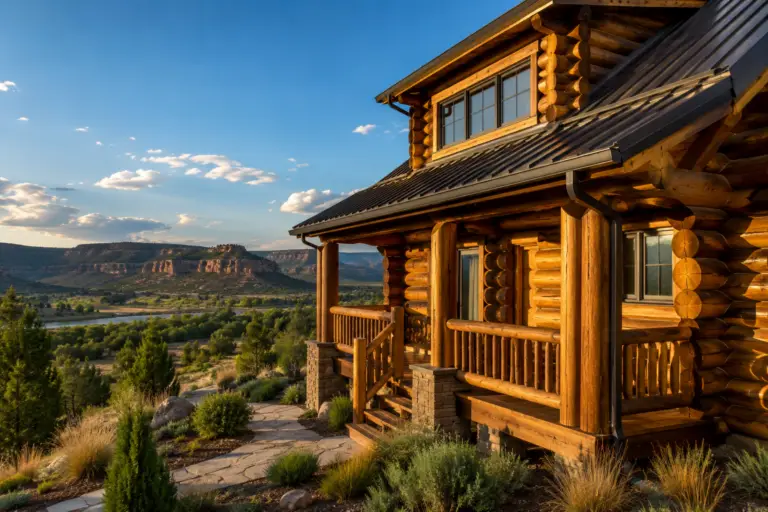








Log home restoration in Dolores, CO has to account for the way Southwest Colorado weather works on exposed wood. Homes near the Dolores River, McPhee Reservoir, rural roads, open meadows, and wooded pockets all deal with a mix of dry air, high-elevation sun, dust, seasonal snow, and sharp temperature swings. That combination can make a log home age unevenly. One wall may still look rich and protected, while the south-facing side is faded, checked, and ready for attention.
If your cabin’s stain looks dull, your chinking is pulling away, or water no longer beads on the logs, it may be time to look past surface appearance and evaluate the full exterior system. A log home is not protected by stain alone. It depends on sound wood, proper prep, sealed gaps, working drainage, and a finish that can handle local exposure.
Pencil Log Pros helps homeowners understand what their log home actually needs before jumping into a stain job or repair plan. In the Dolores area, that means looking at the home’s age, log style, coating history, sun exposure, moisture patterns, and signs of hidden damage. The goal is practical: protect the structure, improve curb appeal, and help the home stand up to the local climate for years to come.
Why Log Homes in Dolores Need Climate-Specific Care
Dolores has a unique maintenance profile. It is not as wet as some high-country Colorado towns, but it is not immune to moisture problems either. The area gets strong sun, dry wind, winter weather, spring moisture, and plenty of dust. That mix can be tough on log siding, full-log walls, porch posts, trim, and exposed beams.
Many Dolores log homes are built for the setting. Some sit near open pasture or rural acreage. Others are tucked closer to the river corridor or up toward forested and reservoir-adjacent terrain. Each site affects how the logs age. A cabin with little tree cover may have severe UV wear on the south and west walls. A shaded home may have more concern around mossy lower logs, damp corners, or slow-drying areas below decks and rooflines.
High-Elevation Sun and UV Damage
Sun exposure is one of the biggest issues for log homes in Dolores. UV rays break down exterior finishes over time, especially on walls that face south and west. The first signs are usually color loss, dullness, chalky residue, and uneven tone. As the coating wears thin, the wood underneath starts taking the hit.
Once logs begin to gray, the surface fibers are already weathering. That does not always mean the home needs major repairs, but it does mean the finish system is no longer doing its job properly. A fresh coat of stain may not be enough if the wood surface is oxidized, dirty, or coated with an incompatible older product. Good restoration starts by preparing the surface so the new stain can bond properly.
Dry Air, Checking, and Open Grain
Dry air can cause logs to move as they release and absorb moisture. Checks, or cracks in the logs, are common in log homes and are not automatically a structural problem. The direction, width, and location of the checks matter more than their mere existence.
Upward-facing checks deserve close attention because they can collect water, snowmelt, dust, and organic debris. Over time, that moisture can work deeper into the wood. In a dry place like Dolores, homeowners sometimes assume rot is unlikely, but repeated moisture in one vulnerable area can still cause decay. Proper sealing, backer rod where needed, and compatible log home caulking can help reduce that risk.
Snow, Shade, and Moisture Pockets
Even in a dry climate, winter snow and shaded areas can create moisture pockets. Lower log courses, deck connections, porch posts, window sills, corners, and areas below roof runoff are common trouble spots. If snow stacks against the wall or roof, water splashes back onto the lower logs, those logs may stay damp longer than the rest of the home.
North-facing walls often look better from a UV standpoint but may dry more slowly after storms. South-facing walls usually dry faster but fade faster. That is why a full inspection matters. A Dolores log home may need stain work on one wall, chinking repair on another, and targeted rot repair near the base.
Complete Log Home Restoration in Dolores, CO
A complete log home restoration is more than just changing the exterior color. It is a process for restoring the log shell to a sound, sealed, and maintainable condition. The right scope depends on the home. Some cabins need a maintenance wash and recoat. Others need sanding, media blasting, removal of failed caulking, chinking repair, rot repair, and a full stain system.
For homeowners in Dolores, the most important step is to avoid covering up problems. New stain can make a home look better for a short time, but it will not fix soft wood, open checks, failed chinking, or poor drainage. If those issues are left alone, the finish may fail early, and the damage can keep spreading underneath.
Log Home Inspection and Maintenance Planning
A restoration plan should start with a careful exterior inspection. The logs should be checked for stain failure, water absorption, open checks, dark staining, soft spots, insect activity, loose chinking, cracked caulking, and gaps around doors and windows. Corners and lower courses deserve special attention because they often show early signs of exposure to the elements.
Homes with older coatings need an extra careful look. Some finishes are breathable and designed for log homes. Others form a film that may peel, crack, or trap moisture if the system is not maintained correctly. Before applying a new product, it is important to understand what is already on the wood.
Homeowners in nearby areas with similar dry-country exposure may see many of the same issues. For example, log homes around Cortez, CO, often face strong sun, dusty conditions, and weathered south-facing walls, much like many Dolores properties.
Surface Preparation Before Staining
Surface prep is where many log home projects succeed or fail. If the logs are dirty, oxidized, glossy, peeling, or coated with a failing finish, a new stain may not penetrate or bond well. Preparation may include washing, sanding, buffing, media blasting, or a combination of methods, depending on the condition of the home.
Light maintenance may only require cleaning and a compatible recoat. A heavily weathered cabin may need more aggressive preparation to remove gray fibers and failed coating. A home with multiple layers of unknown stains may need testing before the best approach is chosen. The goal is not to remove more wood than necessary. The goal is to create a clean, stable surface that can accept the next finish system.
Stain and Sealant Systems for Southwest Colorado
Exterior log stains used in the Dolores area should be chosen for UV resistance, water repellency, breathability, and compatibility with the existing wood and coating history. A good finish helps slow sun damage, sheds water, and allows the logs to manage moisture without trapping it inside.
Sealants also matter. Chinking, caulking, and check sealing products should be designed for log homes because logs move. Standard construction caulk is usually not the right choice for gaps between logs, large checks, or exterior joints that expand and contract through the seasons. Flexible log home products help maintain a better seal as the home responds to changes in temperature and humidity.
Log Home Staining in Dolores: Protecting Against Sun, Wind, and Weather
Log home staining is one of the most visible parts of restoration, but it is also one of the most misunderstood. Stain is not just color. It is part of the protective system that helps shield the logs from UV exposure and moisture. In Dolores, where dry sun and wind can quickly age exterior wood, the stain condition should be checked regularly.
Signs Your Dolores Log Home Needs New Stain
Common signs include faded color, uneven walls, dark streaks, gray wood fibers, chalky residue, peeling, and areas where rainwater soaks into the logs instead of beading up. The home may look especially worn on south- and west-facing walls. Trim, railings, posts, and exposed beam ends may show damage before the main log walls do.
Another warning sign is uneven absorption. If some logs still repel water and others absorb it quickly, the home may have inconsistent coating protection. That can happen when certain walls get more sun, when a previous stain was applied unevenly, or when the home has different levels of exposure from one side to another.
Why Prep Matters More Than the Stain Brand
Homeowners often focus first on stain brand or color. Those choices matter, but prep matters more. Even a quality stain can fail if it is applied over dirt, dust, mill glaze, dead wood fiber, old failing coating, or moisture-damaged logs. A good restoration plan looks at the surface first and the product second.
Color selection should also consider the local setting. Darker colors can provide strong visual richness and may offer good UV protection, but they may also absorb more heat. Lighter tones can look natural and bright but may show weathering sooner in exposed areas. The right choice depends on the home, the owner’s preference, and the condition of the logs.
South-Facing Walls Near Open Exposure
Many Dolores properties have open exposure to the sun and wind. Homes near meadows, rural acreage, or reservoir-facing terrain may have fewer trees to buffer the exterior. These homes often need closer attention on south-facing walls, deck rails, porch posts, and gable ends.
That does not mean every home needs full restoration at the same interval. It means the exposed walls should be evaluated honestly. Sometimes a maintenance coat can extend the life of a finish. Other times, the coating has already broken down and needs more substantial prep before staining.
Chinking and Caulking for Dolores Log Cabins
Chinking and caulking help seal the gaps that naturally occur in log homes. Chinking is often used between log courses, especially on certain log profiles or older cabins. Caulking is commonly used around windows, doors, trim, corners, checks, and smaller joints. Both need to remain flexible and bonded to the surrounding surfaces.
Where Gaps Usually Form
Gaps often show up where logs meet trim, where window and door openings move over time, where old caulking shrinks, and where chinking separates from the log surface. Corners are also common problem areas. If a home has additions, repairs, or mixed materials, those transitions should be inspected closely.
Open gaps allow more than air movement. They can let in dust, wind-driven rain, insects, and cold drafts. In winter, failed sealants can make rooms feel colder even when the heating system is working properly. During windy dry spells, gaps can also bring fine dust into the home.
Why Failed Chinking Should Not Be Ignored
Small chinking failures can grow. Once a bond line opens, water can get behind the material, widening the separation. Freeze-thaw cycles can worsen the gap. If the surrounding stain has also failed, the exposed edges of the logs may begin absorbing moisture.
Repairing chinking is not just a matter of smearing new material over old cracks. Failed sections may need to be cut out, cleaned, backed properly, and replaced with a compatible product. The surface should be prepared so that the new chinking bonds to sound material rather than loose dust, dirt, or failing stain.
Matching Repair Materials to the Existing Cabin
Dolores-area homes can include round log cabins, milled log homes, hand-hewn details, timber accents, and hybrid structures. Each one may need a slightly different repair approach. Older cabins may have wider joints and more movement. Newer milled homes may have tighter profiles, but still need proper caulking at trim and checks.
Cabins in nearby mountain and river communities can face similar sealing concerns. Homeowners comparing regional maintenance needs may also find useful context from log home work around Durango, CO, where sun, snow, elevation, and mixed exposure can create many of the same chinking and caulking challenges.
Log Rot Repair and Wood Replacement in the Dolores Area
Rot repair is one of the most important parts of log home restoration because decay does not improve on its own. Dry climates can still produce rot when water repeatedly collects in the same place. Once wood fibers soften, darken, or break down, the problem needs to be evaluated before the stain is applied.
Common Rot Areas on Dolores Log Homes
The most common rot areas are lower log courses, porch posts, deck connections, window sills, corners, and areas below roof runoff. Logs close to grade are especially vulnerable if soil, mulch, snow, or vegetation comes into contact with the wood. Firewood stacked against the cabin can also hold moisture and invite insects.
Decks are another major area to inspect. Where a deck attaches to a log wall, water can sit against the structure. Fasteners, flashing issues, and debris buildup can all contribute to damage. Even if the rest of the wall looks healthy, the deck connection may hide soft spots.
Repair Options: Epoxy, Dutchman Repairs, or Log Replacement
Not every soft spot requires full log replacement. Some small damaged areas may be candidates for epoxy repair after the decayed material is removed and the surrounding wood is stabilized. Larger damaged sections may require a Dutchman repair, in which a portion of the log is cut out and replaced with matching wood. Severe or structural decay may require partial or full log replacement.
The best repair depends on the size, depth, and location of the damage. Cosmetic patching over rot is not a good long-term solution. If decay is covered without correcting the water source, the problem can keep moving behind the repair.
A Realistic Local Restoration Scenario
A cabin near the Dolores River with faded south walls and soft lower logs would probably need a careful inspection, targeted rot repair, surface prep, and a stain system designed for strong UV exposure. The lower logs would need to be checked for drainage issues and splashback. Any open checks or failed caulking would need to be addressed before the final stain system is applied.
A rural home closer to McPhee Reservoir with heavy sun exposure and dusty wind would probably need a different plan. The main concern might be coating failure, gray surface fibers, and exposed beam ends rather than widespread rot. In that case, proper cleaning and surface preparation would be essential before restaining.
Restoration Considerations Near McPhee Reservoir and Rural Dolores Properties
Homes around Dolores often sit in rugged, open country. Near McPhee Reservoir and surrounding rural roads, log homes can be exposed to sun, dust, wind, and seasonal access challenges. The piñon-juniper landscape is beautiful, but it does not always provide full shade or weather protection for exterior wood.
Dust and Wind on Exterior Log Finishes
Dust can settle into older finishes and build up in checks, corners, and horizontal surfaces. If a home is stained without proper cleaning, that dust can interfere with adhesion. Wind can also push rain and snow into gaps that would otherwise seem protected.
For homes on gravel roads or exposed acreage, washing and surface prep are especially important. The goal is to remove contaminants before applying stain or sealant. This helps the new finish bond with the wood rather than sit on a layer of dirt and old residue.
Seasonal Timing for Restoration Work
Seasonal timing matters in Dolores. Staining should be planned around temperature, moisture, direct sun, and drying conditions. Very cold weather, wet logs, freezing nights, and high-wind dust events can all interfere with a good finish. Spring is a good time to inspect for winter damage, while late spring, summer, and early fall often provide better windows for exterior restoration.
Rural properties farther west and north can face similar dry-country maintenance patterns. Homeowners around Dove Creek, CO often deal with open exposure, sun, wind, and dust that make surface preparation and finish timing especially important.
Maintenance Tips for Dolores Log Homeowners
Regular maintenance helps prevent expensive restoration work. A log home does not have to be perfect to be protected, but small problems should be caught before they spread. Dolores homeowners can do a simple walkaround a couple of times a year to spot early warning signs.
Walk the Exterior Twice a Year
Spring and fall are good times to inspect the exterior. Look for faded stain, open checks, peeling finish, loose chinking, cracked caulking, dark streaks, insect activity, and soft wood. Pay attention to changes from the previous season. A small crack that grows, a stain that gets darker, or a soft area near the base of the wall should not be ignored.
Use the weather as a guide. After rain or snowmelt, look at how water moves around the home. If certain logs stay wet longer than others, that area may need drainage correction, sealing, or closer inspection.
Watch the Bottom Logs First
The lowest logs often reveal the health of the exterior. They are closest to splashback, snow buildup, soil, vegetation, and deck surfaces. If the bottom courses are dark, soft, or heavily checked, the home may have a water management issue rather than just a stain problem.
Good clearance around the base of the home matters. Soil and mulch should not touch the logs. Shrubs should be trimmed back so air can move around the wall. Firewood should be stored away from the cabin rather than stacked against it.
Keep Water Moving Away From the Cabin
Water management is one of the most practical ways to protect a log home. Gutters, downspouts, roof overhangs, grading, and drainage paths all affect how long exterior wood lasts. If roof water dumps onto a lower wall or snow piles against the same corner each winter, that area will likely need repair sooner than the rest of the home.
Decks and porches should also be checked. Leaves, pine needles, and dirt can trap moisture where wood components meet. Keeping these areas clean helps the logs dry faster after storms.
Do Not Delay Small Repairs
Small repairs are usually easier to handle than widespread restoration. A few open checks, a bead of caulk that fails, or a small section of loose chinking can often be addressed before water gets deeper into the wall. Once moisture reaches hidden areas, the repair can become more involved.
When in doubt, it is better to ask for an inspection than to apply stain over a questionable area. Stain can improve appearance, but it should not be used to hide soft wood, failed sealant, or water entry points.
How Pencil Log Pros Approaches Log Home Restoration in Dolores
Pencil Log Pros approaches log home restoration with a practical sequence: inspect first, prepare correctly, repair what needs repair, then protect the wood with the right finish system. That order matters. A beautiful stain color will not perform well if the surface underneath is dirty, damaged, or poorly sealed.
Inspection First, Recommendations Second
Every log home has its own history. Age, log species, log profile, stain type, previous repairs, sun exposure, and site drainage all affect the right plan. Some Dolores homes may need a full exterior restoration. Others may only need maintenance staining, sealing checks, and minor chinking repairs.
An inspection helps separate urgent issues from cosmetic ones. Soft logs, open upward-facing checks, failed chinking, and water entry points should be prioritized. Color changes and minor fading may be less urgent if the coating is still performing.
Prep Work That Supports Long-Term Results
Good prep can include washing, sanding, buffing, media blasting, removal of failed caulking, chinking prep, and careful masking around trim, stone, windows, and doors. The level of prep depends on the existing finish and the condition of the logs.
Rushing prep often leads to early stain failure. In a place like Dolores, where sun and dry wind are already hard on finishes, shortcuts usually show up fast. A properly prepared surface gives the stain and sealants a better chance to perform.
Restoration Designed for the Local Climate
A Dolores restoration plan should account for UV exposure, dry air, snow, dust, and site-specific moisture. Homes in open areas may need extra attention on sun-facing walls. Homes near shaded draws, river areas, or heavy vegetation may need closer inspection for moisture. Cabins with older coatings may require coating compatibility testing before selecting a new stain.
Pencil Log Pros focuses on helping the home hold up in its actual setting, not applying a one-size-fits-all system. That is especially important in Southwest Colorado, where two homes a few miles apart can experience very different weather.
Nearby Areas We Serve Around Dolores
Pencil Log Pros serves Dolores and the surrounding Southwest Colorado communities where log homes, cabins, ranch houses, and mountain retreats need careful exterior maintenance. The same restoration principles apply across the region, but each town has its own exposure patterns, elevation, snow load, and sun intensity.
Homeowners with cabins near the Utah side of the region may see similar dry air and high-desert sun around Monticello, UT. Further east, properties around Pagosa Springs, CO may deal with more mountain moisture and snow, which can change the maintenance priorities. Dolores sits between these conditions, with enough dry-country exposure to wear down stains and enough seasonal moisture to make sealing and drainage important.
Whether the home is close to town, near the river, up by rural acreage, or in a more secluded setting, the best restoration plan starts with the structure in front of you. The logs, finish, gaps, corners, lower courses, and drainage patterns tell the real story.
Schedule Log Home Restoration in Dolores, CO
If your Dolores log home is faded, weathered, drafty, or showing early signs of wood damage, the next step is to assess the exterior’s needs. Some homes need full restoration. Others need focused maintenance before small problems become expensive repairs. Either way, waiting too long can allow the sun, water, insects, and open gaps to cause further damage.
Pencil Log Pros can help evaluate the condition of your logs, stain, chinking, caulking, and vulnerable wood areas. From there, you can make a clear plan to protect the home and keep it looking right for the Dolores setting.
Scroll to the bottom of the page to connect with Pencil Log Pros and talk through your Dolores log home restoration project.