
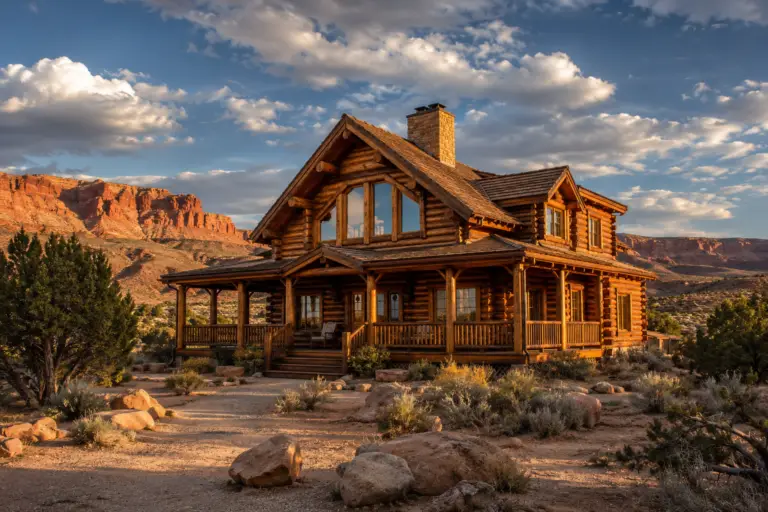








Owning a log home near Cisco, Utah, means protecting a natural wood exterior in a place where sun, dry air, wind, dust, and major temperature swings can all take a toll over time. A cabin may still look structurally solid from the driveway, while the stain has begun to fade, the wood has become dry and rough, sealant joints have opened, or checks have begun to collect debris and moisture.
That is why log home restoration in Cisco, UT, is about more than making a cabin look refreshed. Proper restoration helps protect the wood itself, improve water shedding, restore color consistency, and address the small exterior failures that can become more difficult repairs when they are ignored for too long.
For homeowners with a primary residence, second home, ranch cabin, or remote getaway in the Cisco area, the right approach starts with understanding what the logs, stain system, and exterior details are telling you. Some properties need straightforward maintenance and a fresh protective coat. Others may need more complete cleaning, finish removal, log repair, chinking or caulking work, and a new stain-and-topcoat system designed to handle demanding outdoor exposure.
Why Cisco’s High-Desert Conditions Are Tough on Log Homes
Log homes are durable when they are maintained properly, but they are not maintenance-free. In the Cisco area, exterior wood can face a combination of intense sunlight, dry conditions, wind-driven dust, and changing weather. These conditions do not affect every wall of every cabin in the same way, but they can make regular inspections especially important.
Strong Sun Exposure Can Fade and Dry Exterior Logs
South-facing and west-facing log walls often receive the most direct sun. Over time, ultraviolet exposure can wear down stain pigments and clear protective coatings. When a finish begins to lose its ability to protect the wood, the logs may start to look faded, blotchy, gray, dry, or rough.
Homeowners sometimes assume that faded stain is only a cosmetic concern. In reality, color loss can also indicate that the coating is no longer providing the same level of UV protection it once did. Once the finish begins to fail, the wood underneath may become more exposed to checking, surface weathering, moisture intrusion, and uneven absorption during future staining work.
Early maintenance can make a major difference. A log wall that needs cleaning and a maintenance coat is usually much simpler to address than a wall with deeply weathered wood, failed coatings, and exposed grain that requires extensive preparation before refinishing.
Wind and Dust Can Wear Down Exterior Coatings
Open high-desert terrain can bring wind and airborne dust that settle into log laps, corners, checks, and trim transitions. Dust buildup does not always look dramatic, but it can dull a finish, hide developing problems, and interfere with adhesion when a homeowner tries to touch up stain without proper cleaning.
Wind-driven grit may also contribute to gradual surface abrasion on highly exposed walls. The result can be a finish that looks tired or uneven, even when the logs have not yet developed significant damage. Routine washing, careful inspection, and timely maintenance help prevent that buildup from becoming part of a larger restoration problem.
Seasonal Changes Put Pressure on Exterior Details
Wood naturally expands and contracts as conditions change. That movement is normal, but it can stress caulk lines, chinking, window transitions, log joints, fastener areas, and deck connections. A flexible sealing system is important because the goal is not to stop the logs from moving. The goal is to keep water out while allowing the home’s exterior materials to perform as intended.
For property owners along the I-70 corridor, similar exposure concerns can arise in cabins and log homes near Thompson Springs, UT, especially where walls receive long periods of direct sun and wind exposure.
Signs Your Cisco Log Home May Need Restoration
Most log home restoration projects begin with visible warning signs. The sooner those signs are recognized, the more options a homeowner usually has. Waiting until the logs are severely weathered, soft, or visibly deteriorated can increase the amount of preparation and repair required before refinishing begins.
It may be time to schedule a professional assessment when you notice:
- Faded, blotchy, peeling, or uneven stain
- Gray or weathered log surfaces
- Logs that feel rough, dry, fuzzy, or porous
- Open checks that collect dirt, moisture, or insects
- Cracked, missing, or separated caulk and chinking
- Dark staining below roof edges, windows, decks, or trim
- Soft wood around lower log courses or splash zones
- Visible gaps around corners, windows, or log intersections
- Finish that looks chalky, brittle, or unable to shed water
Checking is a normal part of how logs dry and age, so not every crack is a sign of failure. However, checks that face upward, hold debris, stay damp, or expose vulnerable areas of the wood deserve closer attention. The same is true for dark staining and deteriorated finish near windows, rooflines, decks, and ground-level logs.
A thorough exterior evaluation looks beyond color alone. It considers the existing stain system, wood condition, drainage details, joint sealing, high-exposure walls, and areas where water may be concentrating against the cabin.
Log Home Restoration Services for Cisco-Area Properties
Every restoration plan should match the condition of the home. Some log cabins need preventive maintenance before the finish has fully failed. Others need more involved work to remove deteriorated coatings, prepare the wood, repair damaged areas, and rebuild the exterior protection system.
Log Cleaning and Surface Preparation
Cleaning is an essential first step in nearly every log home maintenance or restoration project. Exterior logs can accumulate dust, cobwebs, residue, pollen, loose coating material, and surface contaminants, making it difficult to accurately assess the condition of the finish.
For a home with light surface wear, a careful wash and maintenance application may be enough. For a cabin with heavily weathered or failed coatings, the restoration process may involve more extensive preparation. Depending on the wood condition and the existing finish system, that could include controlled finish removal, sanding, media blasting, hand preparation, or a combination of methods selected for the specific project.
The purpose of surface preparation is not simply to strip the home down to bare essentials. The goal is to create a clean, sound surface that can properly accept new stain, sealant, and protective coatings. Skipping this stage often leads to uneven color, poor adhesion, a shorter finish life, and more maintenance later.
Log Repair and Wood Restoration
Not all weathered logs need to be replaced. In many cases, a restoration plan can focus on localized repairs, careful surface restoration, and the protection of the remaining sound wood. The right approach depends on how deep the damage goes, whether the wood remains structurally solid, and whether moisture has been allowed to enter behind the finish.
Common areas to inspect include lower log courses, corners, deck attachments, window trim, roof transitions, and splash zones. These locations often receive more water exposure than broad wall sections, especially when gutters, flashing, grading, or roof drainage are not directing water far enough away from the exterior.
When repairs are needed, they should be completed before staining begins. Applying new stain over deteriorated wood or compromised details may improve appearance temporarily, but it does not solve the underlying issue. Good restoration work addresses the wood condition first and the final appearance second.
Chinking, Caulking, and Check Sealing
Chinking, caulking, and check sealing are important parts of keeping a log home protected from water, air movement, dust, and insects. These materials are not interchangeable, and the correct method depends on the home’s construction style.
Chinking is commonly used in larger joints between logs, especially on homes built with specific log profiles or traditional construction styles. Caulking is often used around smaller transitions, trim areas, corners, and connection points. Check sealing may be recommended for cracks that could trap moisture or expose vulnerable grain.
The key is flexibility. Logs move over time, and the sealant system needs to move with them. Rigid or poorly bonded material can separate, crack, or allow water behind the surface. Proper preparation and compatible products matter just as much as the final bead of sealant.
Professional Log Home Staining and Protective Coatings
Stain does more than change the color of a cabin. A properly selected and applied stain system helps protect the logs from ultraviolet exposure, moisture, and premature weathering. A topcoat or clear protective layer may also be used when appropriate to improve water shedding and make future maintenance more manageable.
Color selection should work with the home’s setting, existing wood tone, and homeowner preferences, but protection is the priority. A darker color may show fading differently than a lighter color. A transparent stain may highlight natural grain but require more attentive maintenance. A more opaque system may offer different visual and performance characteristics. The best choice depends on the cabin, the condition of the logs, and the desired maintenance schedule.
For homeowners considering a similar exterior refinishing plan near the Colorado River corridor, it can be useful to compare maintenance priorities with those for log home restoration in Moab, UT, where sun exposure and dry conditions can also influence exterior wood care.
Long-Term Log Home Maintenance Planning
The strongest restoration plan includes what happens after the project is complete. A new stain system should not be viewed as a permanent finish that never needs attention. It should be monitored regularly so maintenance can be completed before significant finish breakdown occurs.
Ongoing maintenance may include annual inspections, periodic cleaning, spot repairs around sealant joints, and maintenance coats on the most exposed walls. The exact schedule depends on the home’s orientation, overhangs, elevation, shade, product system, and the amount of weather exposure each side of the cabin receives.
How to Plan Restoration Work for a Remote Cisco Property
Remote property ownership often requires more planning than a project in town. Before log home restoration work begins, it is helpful to consider access, staging, water availability, power, site conditions, weather windows, and communication with the property owner.
A cabin may be a full-time residence, a seasonal home, a rental, or a property visited only a few times each year. Each situation affects how an exterior project should be planned. Homeowners who are not always on-site may need to coordinate gate access, provide clear property information, confirm the availability of utilities, and establish a reliable communication process before work begins.
It is also wise to think about where materials, equipment, and vehicles can be staged without interfering with roads, drainage areas, septic systems, landscaping, or other site features. A detailed exterior assessment helps identify these practical concerns before restoration work is underway.
Remote homes near Green River, UT can present similar scheduling and access considerations. Early planning gives homeowners more flexibility to choose appropriate weather windows and avoid rushing important preparation or drying stages.
Preventive Maintenance for Log Homes in Eastern Utah
The most cost-effective log home restoration project is often the one that never becomes a major restoration project. Preventive maintenance gives homeowners a chance to address small changes before they develop into widespread finish failure, wood deterioration, or moisture-related repairs.
Inspect the Most Exposed Walls First
Start with the sides of the home that receive the most sun, wind, and weather. South-facing and west-facing walls often need attention sooner, but every property is different. Roof overhangs, nearby trees, terrain, neighboring structures, and wall orientation all affect how quickly the finish wears.
Look closely at corners, log ends, window trim, door trim, deck connections, lower logs, and areas below roof edges. These are common areas where finish wear and moisture staining first appear.
Keep Water Moving Away From the Log Wall
Water management is one of the most important parts of protecting a log home. Gutters, downspouts, roof overhangs, flashing, drainage, soil slope, and deck design all influence how much moisture reaches the exterior logs.
Check that downspouts move water away from the foundation and lower log courses. Watch for splashback from roof runoff, hard surfaces, or landscaping features. Keep vegetation from trapping moisture against the wall. Examine deck connections and trim details where water can collect or remain hidden.
Even in a dry climate, repeated wetting in one small area can create more damage than broad exposure across an entire wall. Addressing drainage details early can protect both the logs and the stain system.
Clean Before Dirt Becomes a Finish Problem
Regular exterior cleaning helps remove dust and residue that can make a cabin look neglected and hide developing problems. It also gives homeowners an opportunity to inspect the home more closely.
Cleaning should be done carefully and with methods appropriate for log exteriors. Excessive pressure, harsh products, or improper techniques can damage wood fibers, force water into joints, or remove more finish than intended. The goal is to clean the surface without creating a new restoration issue.
Maintain the Finish Before It Fails Completely
A maintenance coat is usually less disruptive than a full restoration. When the existing stain system is still in reasonably good condition, homeowners may be able to clean the exterior, address small sealant concerns, and apply a compatible maintenance product before the wood becomes heavily weathered.
That approach can help preserve the existing finish system and reduce the amount of sanding, stripping, or repair needed later. Homeowners in nearby areas such as Castle Valley, UT, often face the same basic decision: maintain the finish while it is still protecting the wood, or wait until a more extensive restoration becomes necessary.
Common Questions About Log Cabin Restoration in Cisco, UT
How often should a Cisco log home be stained?
There is no single interval that works for every cabin. The timing depends on sun exposure, wall orientation, existing finish type, roof overhangs, wood condition, and whether the finish is still shedding water properly. Highly exposed walls may need maintenance sooner than shaded or protected walls.
The best approach is to inspect the exterior regularly rather than rely only on a calendar. When the stain begins to fade, look uneven, feel dry, or lose water repellency, it is time to evaluate the finish.
Can dry weather cause logs to crack?
Logs naturally develop checks as wood dries and adjusts to changing conditions. Small cracks are common and do not automatically mean the home has a problem. However, checks that face upward, hold debris, allow water to collect, or expose deeper wood may need to be sealed or monitored more closely.
The goal is not to eliminate every check. It is to identify the ones that create a path for water or contribute to premature deterioration.
Is faded stain only a cosmetic problem?
No. Fading can be an early sign that the finish is losing UV protection. Once that protective layer wears off, the logs may begin to gray, dry out, absorb water more readily, and require more extensive preparation before refinishing.
Addressing faded stain early is often more practical than waiting until the wood surface has become heavily weathered.
Does every log home need chinking?
No. Whether a home needs chinking depends on its log style, joint design, existing materials, and construction details. Some homes are built with chinking systems, while others rely more heavily on caulking, gaskets, or engineered log profiles.
A professional evaluation can help determine whether the existing sealing system is performing properly and whether chinking, caulking, or targeted repairs are appropriate.
Can restoration work be planned for a second home or seasonal cabin?
Yes. Remote and part-time properties can be restored successfully with good planning. Clear access instructions, property information, site coordination, and communication are especially important when the homeowner is not always present.
It is helpful to discuss the project scope, expected preparation needs, water and power availability, vehicle access, and any site-specific considerations before work begins.
What areas of a log home should receive the closest inspection?
Pay close attention to lower log courses, window and door trim, roof transitions, deck attachments, corners, exposed log ends, and walls that receive the most direct sun. These areas commonly show finish wear, failed sealant, splashback, or moisture staining before the rest of the home.
What a Cisco Log Home Restoration Project Could Involve
A log home or cabin near Cisco with faded south-facing walls, dusty finish buildup, open checks, and dark staining beneath a roof transition would probably need a full exterior evaluation before any new stain is applied.
Depending on the age of the existing finish and the condition of the wood, the restoration process could include careful cleaning, targeted finish removal, sanding or other surface preparation, check sealing, caulking or chinking repairs, replacement or repair of deteriorated areas, and application of a compatible stain-and-topcoat system.
Some properties may only need a focused maintenance plan for the most exposed walls. Others may require more comprehensive restoration if the existing coating has failed across large areas or if moisture has affected lower logs, corners, trim, or transition points.
Similar planning can be useful for cabins in La Sal, UT, where the condition of the wood, the level of exposure, and the home’s specific construction details should guide the scope of restoration rather than a one-size-fits-all checklist.
Choose a Restoration Plan That Protects Your Investment
A log home is a major investment, and its exterior deserves more than a quick cosmetic touch-up. The best restoration plan begins with a clear understanding of the wood condition, finish condition, moisture risks, sealing details, and maintenance needs for the property.
Do not judge the health of a log home by color alone. A cabin can look weathered but remain in good condition with the right maintenance plan. On the other hand, a home that still looks acceptable from a distance may have failing sealant, worn finish, or moisture-prone details that need attention.
By addressing finish wear early, protecting vulnerable joints, maintaining drainage, and using compatible restoration products, homeowners can help extend the life of their exterior logs and avoid unnecessary repairs later.
Talk With Pencil Log Pros About Your Cisco Property
Whether your Cisco log home needs a careful inspection, targeted maintenance, or a more comprehensive restoration plan, the next step is to understand what the wood and finish are telling you. A well-planned approach can help protect the logs, improve the home’s appearance, and make future maintenance more manageable.
Scroll to the bottom of the page to connect with Pencil Log Pros and discuss the right restoration approach for your Cisco-area property.