
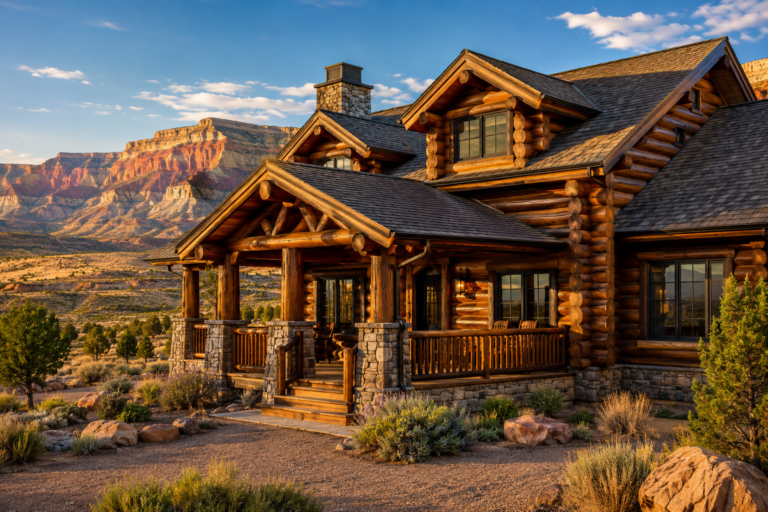








Owning a log home near Thompson Springs means living with the beauty and exposure of eastern Utah’s high desert. The same open skies, big views, dry air, and sun that make the area attractive can also be hard on exterior logs. A log home that looks sound from a distance may still be dealing with faded stain, dry wood fibers, open checks, failed chinking, worn sealant, or water entry around a roofline, porch, window, or deck connection.
Log home restoration in Thompson Springs is not just about making the exterior look newer. It is about protecting the wood from the conditions that cause finish systems to fail and small maintenance issues to grow. South- and west-facing walls may take the strongest sun. Wind can drive dust into checks and joints. Sudden rain can find its way into open gaps. Cold winter conditions and changing temperatures can test old caulking, chinking, and sealant around the home.
A practical restoration plan starts with the actual condition of the logs. Some homes need a focused maintenance coat and detail work. Others need more extensive surface preparation, new stain, chinking repair, localized log repair, or a complete exterior restoration. Pencil Log Pros helps Thompson Springs homeowners evaluate those needs and make decisions that protect the home’s appearance, weather resistance, and long-term value.
Why Thompson Springs Log Homes Need a Climate-Specific Restoration Plan
Thompson Springs sits in Utah’s high-desert country, where exterior wood faces a different mix of challenges than it would in a wetter forested mountain town. Dry conditions can reduce the amount of persistent moisture around a home, but they do not remove the need for maintenance. In many cases, strong UV exposure and repeated heating and cooling are the first issues homeowners notice. Over time, those conditions can wear down stain, dry the outer wood fibers, and expose the logs to more weathering.
The goal is not to fight every natural change in the wood. Logs expand, contract, check, and develop character as they age. The goal is to recognize which changes are normal and which ones are creating openings for water, insects, drafts, or deeper deterioration.
High-Desert Sun Can Wear Down Stain and Sealant
Sun exposure is often the biggest maintenance factor on a Thompson Springs log home. A wall that gets direct afternoon light may fade much faster than a shaded north-facing elevation. Clear finishes and lightly pigmented stains can be especially vulnerable when they are no longer maintained on schedule. Once a finish begins to thin, the wood can look dry, pale, gray, or unevenly colored.
Homeowners often notice the problem first on the most exposed walls. You may see dull areas around window trim, lighter sections beneath eaves, or a strong contrast between a covered porch wall and the outer walls of the home. Water may stop beading on the logs after a rain. In more advanced cases, the exterior can develop a rough, chalky, or fibrous feel that shows the old finish is no longer doing its job.
Adding another coat of stain over severely weathered wood is rarely the best long-term answer. The surface may need cleaning, controlled finish removal, sanding, or other preparation before a compatible stain and protective topcoat can bond properly. The right approach depends on the existing finish, the log species, the degree of UV damage, and the condition of the surrounding chinking and sealant.
Temperature Swings Affect Logs, Joints, and Sealants
High-desert weather can bring large changes between daytime and nighttime temperatures, as well as major seasonal shifts. That movement matters because exterior logs, sealants, caulking, and chinking all need to accommodate natural expansion and contraction. When an older joint material becomes brittle, separates from the logs, or loses adhesion at the edges, it can create a path for air and water to enter the wall assembly.
Pay close attention to log intersections, corners, door and window openings, and transitions where wood meets metal flashing or trim. These areas can look fine from the ground while still having small openings that allow moisture to work behind the finish. A professional inspection can identify whether the issue is cosmetic, limited to a repairable joint, or part of a larger water-management problem.
Wind, Dust, and Periodic Moisture Still Matter
Dry air does not make a log home maintenance-free. Wind can carry dust that settles into checks, horizontal ledges, and tight corners. Dirt buildup can dull the finish and hold moisture after storms. It can also make routine cleaning more important before applying a maintenance coat or touch-up product.
Weather events matter too. Wind-driven rain, snowmelt, roof runoff, and splashback from the ground can all affect exterior wood. A home with good overhangs, sound flashing, clear gutters where installed, and proper clearance between the lower logs and the surrounding grade is easier to protect. A home with short overhangs, clogged drainage paths, or water repeatedly splashing the same lower wall may need corrections before staining or sealing work begins.
Common Log Home Problems Around Thompson Springs
Every log home ages differently. Orientation, roof design, tree cover, previous maintenance, and the products used on the exterior all affect what the logs need. Still, several issues tend to deserve attention on high-desert properties near Thompson Springs.
Faded, Gray, or Uneven Exterior Logs
Fading is often the earliest visible sign that the finish is losing its protective properties. The logs may turn lighter, develop a gray cast, or appear blotchy from one wall to the next. That does not automatically mean the wood is damaged beyond repair. Many homes can be restored with appropriate preparation and a compatible finish system.
The important question is how deeply the weathering has progressed. A light surface fade may respond well to cleaning and a maintenance coat. A wall with peeling finish, raised grain, rough fibers, or years of neglected exposure usually needs more careful preparation. Addressing that difference early can help preserve more of the original wood surface.
Checking, Cracks, and Open Log Joints
Checks are a natural part of log construction. As logs dry and respond to changing weather conditions, cracks can form on the surface. Not every check needs to be filled. However, deep, upward-facing, or water-catching checks should be evaluated because they can collect moisture and debris. The same is true for cracks that lead toward the interior side of the wall or create a clear route for water to sit against exposed wood.
A good repair strategy focuses on the checks and joints that actually create risk. Proper sealing helps shed water while allowing the log home to continue moving naturally. Over-sealing every minor mark can be unnecessary, but ignoring major openings can lead to more expensive surface preparation and repairs later.
Failed Chinking and Caulking
Chinking and caulking are both important parts of a well-maintained log home, but they serve different purposes. Chinking is generally used in larger joints between log courses, particularly on homes designed with visible gaps. Caulking is commonly used for smaller gaps, transitions, trim connections, and detailed sealing work around windows, doors, and other penetrations.
When either material cracks, pulls away from the logs, or becomes too rigid to move with the wall, the home can lose weather resistance. You may notice dark lines between logs, visible gaps, drafts, insect activity, or water staining below a joint. Repairing those areas before applying a new stain or topcoat helps achieve a more complete restoration rather than treating only the visible wood surface.
Localized Rot Near Splash Zones and Vulnerable Details
Even in a dry climate, water can cause trouble wherever it repeatedly lands, drains, or gets trapped. Lower log courses, deck connections, porch posts, exposed log ends, roof valleys, and areas beneath windows should all receive regular attention. Dark staining, soft wood, peeling finish, or a recurring damp area can indicate that water is not moving away from the home as it should.
For example, a cabin outside Thompson Springs with faded south-facing logs and darker staining near the porch roof would likely need the source of moisture identified before refinishing begins. The right solution might include correcting drainage, improving flashing, repairing a damaged section, replacing failed sealant, and then restoring the finish. That sequence protects the work that follows.
Old Coatings That Are Peeling or No Longer Protecting the Wood
Older stain systems can fail in different ways. Some peel or flake. Others simply wear thin and leave the logs exposed. Some coatings become dark, uneven, or difficult to maintain because they were applied over incompatible products or poorly prepared surfaces. When that happens, a restoration plan should start by understanding what is already in the logs and how the wood is reacting beneath them.
Surface preparation is often the difference between a finish that performs and a finish that fails early. The work may involve cleaning, controlled stripping, media blasting where appropriate, sanding, detail work, and careful removal of loose or failing material. The objective is a clean, sound surface that can accept the right products for the home’s exposure and maintenance goals.
Our Log Home Restoration Process for Thompson Springs Properties
A durable restoration involves more than selecting a stain color. It requires a practical sequence that identifies the cause of damage, prepares the surface correctly, addresses vulnerable details, and protects the logs with a compatible finish system.
1. Start With an Exterior Condition Assessment
The first step is to look closely at the full exterior. That includes the finish, log surfaces, checks, chinking, caulking, trim, log ends, porch structures, roof runoff areas, and transitions around windows and doors. A thorough assessment also considers where the home gets the most sun, where water may be collecting, and which walls have received the least maintenance over time.
This inspection helps separate minor maintenance needs from issues that require more substantial work. A homeowner may think the project is only about fading stain, while the inspection reveals failed chinking beneath a window or moisture staining caused by a roof detail. Correcting those conditions before refinishing helps prevent the same problem from recurring under a new finish.
2. Prepare the Log Surface Carefully
Proper surface preparation gives the new finish a better chance to bond and perform. The exact method depends on the home. Some logs may need cleaning and light sanding. Others may need the failed coating removed before refinishing. Deeply weathered areas may require additional attention to ensure the finished surface looks consistent and is evenly protected.
The preparation process should respect the texture and character of the logs. Hand-hewn logs, round-log homes, and timber-frame features can all require slightly different handling. The goal is not to erase the home’s natural appearance. It is to remove failing material, smooth damaged fibers where needed, and create a stable surface for stain and sealant.
3. Complete Necessary Log Repair and Detail Work
Damaged wood should be addressed before staining. That may include repairing localized deterioration, sealing vulnerable checks, addressing worn log ends, replacing deteriorated trim, or correcting spots where water is repeatedly reaching the wood. Log repair is especially important when a section has softened, begun to split beyond normal limits, or been exposed to ongoing moisture.
Restoration work should also consider the details that protect the building envelope. A beautiful finish does not help much if roof runoff continues to hit the same lower wall or if open joints allow water behind the exterior surface. The strongest restoration plans connect appearance, water management, sealing, and routine maintenance.
4. Repair Chinking, Caulking, and Weather Seals
Once the logs and surrounding details are ready, chinking and caulking can close gaps where needed. This step helps improve weather resistance and can reduce air leakage around the exterior. It also gives the finished home a cleaner, more intentional appearance.
Materials must be chosen and applied with log movement in mind. The best result comes from a properly prepared joint, the correct material for that opening, and sufficient adhesion to stay in place as the logs respond to seasonal conditions. A quick patch may temporarily hide a gap, but a more thoughtful repair is better suited to a home that faces regular sun, wind, and temperature changes.
5. Apply Stain and Protective Topcoats
Stain and topcoat selection should reflect the wood condition, the existing color, the homeowner’s preferred appearance, and the amount of exposure on each elevation. A well-chosen finish can enhance the grain and warmth of the wood while adding UV and moisture protection. The most exposed walls may need closer attention both during the project and in future maintenance cycles.
Homeowners sometimes assume that a darker stain will always offer better protection. In reality, the right choice depends on the finish system, pigment level, surface preparation, and desired maintenance schedule. The best option is one that suits the home’s architecture, helps manage sun exposure, and can be maintained before the logs become heavily weathered again.
6. Finish With a Maintenance Plan
Restoration does not end when the final coat dries. A Thompson Springs log home benefits from regular visual checks, seasonal cleaning, prompt repair of failed sealant, and attention to changing conditions on the most exposed walls. Maintaining the finish before it breaks down completely is usually more efficient than waiting until the logs require extensive preparation again.
Log Home Staining and Sealing for Utah’s High Desert
Staining and sealing are central to protecting exterior logs in the Thompson Springs area. The best results come from a system that is applied to sound, properly prepared wood, and maintained based on actual exposure rather than a generic timeline. A shaded wall under a deep porch may look good for much longer than a west-facing gable that sees intense afternoon sun every day.
Look closely at the areas that usually age first: gable ends, south and west walls, exposed porch posts, handrails, log ends, lower courses near the grade, and walls beneath roof valleys. These details do not always need the same treatment, but they often need closer monitoring. A small maintenance touch-up on a vulnerable log end may prevent a much larger refinishing project later.
Cleaning is also part of a good staining plan. Dust, pollen, cobwebs, and surface grime can interfere with maintenance coatings and make the home look neglected even when the stain is still serviceable. Gentle, appropriate cleaning before inspection gives homeowners a clearer view of the actual wood condition.
For homeowners with property closer to the Colorado River corridor, the same attention to UV exposure and water management applies when considering log home restoration in Moab. Each site has its own exposure and maintenance history, but high-desert homes often benefit from early finish maintenance rather than waiting until widespread fading or peeling occurs.
When Should You Restore or Refinish Your Thompson Springs Log Home?
The right time to restore a log home is before the finish failure turns into deeper wood weathering. That does not mean every small fade mark needs immediate work. It means watching for changes that show the finish, sealant, or water-management details are no longer protecting the home as intended.
Signs It Is Time to Schedule an Inspection
- Exterior logs are fading, graying, or losing their original depth of color.
- Water no longer beads on stained or sealed log surfaces.
- Stain is peeling, cracking, thinning, or wearing unevenly.
- Checks are deep, upward-facing, or collecting dirt and moisture.
- Chinking or caulking has cracked, separated, or pulled away from the logs.
- Dark staining appears beneath windows, rooflines, deck connections, or porch areas.
- Wood feels soft, looks unusually dark, or shows signs of repeated water exposure.
- Drafts, insects, or dust are entering through visible gaps between logs or trim.
Why Waiting Can Increase the Scope of Work
Finish failure tends to compound. Once a topcoat wears away, UV exposure can begin to dry and weaken the outer wood fibers. That makes the surface harder to prepare and may require more sanding, stripping, or repair before refinishing. Open joints can create a similar chain reaction: a small gap lets in moisture and debris, which can affect the surrounding finish and eventually the underlying wood.
Early maintenance is usually about preserving options. A homeowner who schedules an inspection when the first exposed wall begins to fade may only need targeted preparation and a maintenance application. A homeowner who waits through several more seasons may need a larger restoration scope. The best approach is practical, not alarmist: inspect regularly, fix the conditions that cause damage, and protect the logs before the problem spreads.
Seasonal Log Home Maintenance Checklist for Thompson Springs
Spring: Inspect After Winter
Spring is a good time to walk the exterior and look for evidence of winter moisture, wind, or temperature-related movement. Check around roof edges, downspouts, porch roofs, window trim, and lower log courses. Look for water tracks, dark areas, failed caulking, loose trim, and places where snowmelt may have sat against the home.
Pay attention to shaded walls and north-facing details. While direct sun may cause more finish wear on exposed elevations, shaded areas can retain moisture longer after storms or winter weather. Both conditions deserve a place in the maintenance plan.
Summer: Watch Sun Exposure and Heat Stress
Summer is the season to inspect the walls that receive the most direct sun. Look for fading, dry-looking wood, open checks, and areas where the stain no longer provides an even protective layer. Hot, bright conditions can make deterioration more visible, especially on high-exposure gables and west-facing walls.
Exterior coating work should be planned around product requirements and site conditions. Direct sun, high surface temperatures, wind, and fast drying can affect the application. The right schedule considers the weather, the home’s exposure, and the preparation needed to achieve a durable result.
Late Summer and Fall: Prepare for Changing Weather
Late summer and fall are useful times to check drainage and weather seals before colder conditions arrive. Clear debris from gutters where present. Review flashing, roof valleys, drip edges, and any areas where runoff reaches the walls. Inspect chinking and caulking around windows, doors, and log joints.
This is also a practical time to evaluate touch-up work before small openings become harder to manage. A clean, sealed exterior heading into winter is better prepared for periodic rain, wind-driven weather, and cold nights.
Winter: Monitor and Plan
Winter is often better suited to observation and planning than to major exterior finishing work. Walk around the home when conditions allow, note areas where water is tracking, and watch for new stains around rooflines or lower logs. Keep a simple list of concerns so they can be reviewed when exterior conditions are appropriate for repair or refinishing.
For properties along the I-70 corridor, it can also help to coordinate maintenance before the next extended period when the home may be unattended. Owners comparing conditions across the region may find useful context in our page about log home restoration in Green River, where high-desert maintenance planning also benefits from careful attention to exposure and water flow.
Restoring Cabins, Ranch Homes, and Remote Properties Near Thompson Springs
Remote property ownership changes how homeowners should think about log home maintenance. A cabin or second home may sit for weeks or months without someone walking the exterior after a storm, checking a roof valley, or noticing a small area of failed chinking. That makes prevention especially valuable. A detailed inspection and clear maintenance plan can help property owners identify what needs attention before a small issue affects more of the home.
Site access, road conditions, available water, exterior staging, and the home’s maintenance history can all affect how a restoration project is planned. A well-organized approach starts with the exterior’s actual condition and then prioritizes the work. Some homes need a full exterior restoration. Others may benefit most from focused repairs to exposed walls, log ends, window details, or deteriorated sealant.
A second-home owner with a cabin outside Thompson Springs, for example, might benefit from an exterior assessment before deciding on a complete refinish. If the logs are generally sound but a few walls have substantial UV wear, and several joints have opened, targeted repair and finishing work may be the most sensible first step. If water damage is present near a porch or roof transition, correcting that source should come before cosmetic refinishing.
Nearby canyon-country homes can face similar planning concerns. Property owners facing similar high-exposure maintenance questions may also want to explore log home restoration in Cisco.
Why Professional Surface Preparation Makes a Difference
A new coat of stain cannot reliably fix every exterior problem. If the logs are covered with failing finish, loose fibers, embedded dust, old incompatible products, or open joints, the new coating may not perform as expected. It can peel, wear unevenly, or trap the underlying issue beneath a fresh color.
Professional surface preparation starts with diagnosis. What is on the wood now? Is the failure limited to the topcoat, or has the stain itself broken down? Are the darker areas caused by normal weathering, trapped moisture, or a roof runoff problem? Is an open check simply cosmetic, or is it catching water? Those answers influence the restoration process.
The preparation stage may include cleaning, removing failed finish, sanding selected areas, addressing weathered wood fibers, and completing detail repairs. Then the home can receive the appropriate chinking, caulking, stain, sealant, and topcoat work. This sequence produces a better foundation for the finish and helps the home look more consistent across its elevations.
That same principle applies to homes in other exposed settings in eastern Utah. A homeowner considering a project in a narrower canyon or valley environment can compare local conditions through our page on log home restoration in Castle Valley.
Frequently Asked Questions About Log Home Restoration in Thompson Springs, UT
How often should a Thompson Springs log home be stained or sealed?
There is no single schedule that fits every log home. Maintenance timing depends on sun exposure, wall orientation, the type and condition of the existing finish, surface preparation, log species, roof design, and the consistency of exterior maintenance. Highly exposed south- and west-facing walls may need attention before protected walls under deep overhangs. Regular inspections are more reliable than waiting for a fixed number of years.
Does dry Utah weather prevent log rot?
No. Dry conditions can reduce the likelihood of long-term moisture exposure throughout the home, but rot can still develop where water repeatedly reaches the logs or becomes trapped. Common trouble spots include roof runoff areas, lower walls near the ground, deck connections, exposed log ends, window openings, and locations with failed caulking or chinking. Managing water is as important as managing stain.
Can faded logs be restored without replacing them?
In many cases, yes. Faded or weathered logs can often be restored through proper cleaning, preparation, sanding, or controlled finish removal where needed, staining, and sealing. Replacement is usually considered when a log section has substantial deterioration or has lost structural integrity. An inspection helps determine whether the problem is surface weathering or something more serious.
What is the difference between chinking and caulking?
Chinking is generally used in larger joints between logs, particularly where the construction style includes visible gaps. Caulking is commonly used for smaller gaps and detailed transitions, such as around trim, windows, doors, and selected log checks. Both materials can help improve weather resistance, but they need to be selected and applied to the specific size and movement of the joint.
Should I seal every crack or check in my logs?
Not necessarily. Checking is a normal part of log construction, and many small checks are only cosmetic. The checks that deserve attention are typically deep, upward-facing, moisture-catching, or positioned to let water flow toward the interior. A professional evaluation can help prioritize the checks that pose real risk without over-treating the logs’ natural character.
Can a remote cabin near Thompson Springs be restored?
Yes. Remote cabins and second homes can be evaluated and restored with planning around access, exterior condition, the scope of preparation, and the home’s maintenance history. The key is to identify the priority issues first, especially water-management details, failing finish, open joints, and any localized wood damage. Homeowners with properties in the higher-elevation southeast Utah region may also find useful comparison points on our page about log home restoration in La Sal.
Talk With Pencil Log Pros About Your Thompson Springs Log Home
Thompson Springs log homes need maintenance decisions that account for high-desert sun, changing temperatures, wind, dust, periodic moisture, and the specific condition of the wood. Whether your home needs a stain refresh, detailed surface preparation, chinking repair, log repair, sealing, or a complete exterior restoration, the first step is understanding what the logs and surrounding details are telling you.
Protecting a log home is easier when small issues are addressed before they become larger repairs. Scroll to the bottom of this page to connect with Pencil Log Pros and discuss your Thompson Springs log home restoration needs.