
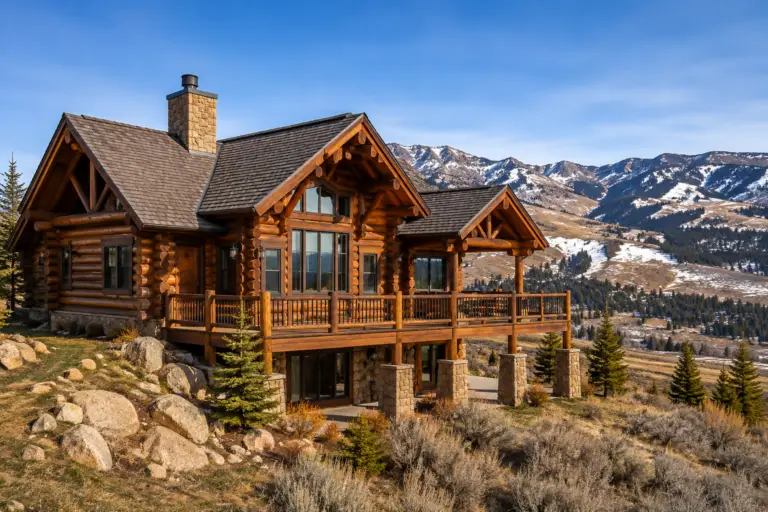








Log homes near Soldier Summit, Utah, face a demanding mix of alpine sun, snow, wind, freeze-thaw cycles, and long periods of exposure between visits. At this elevation, a cabin exterior can look solid from the driveway while small problems are already developing around lower logs, window trim, deck connections, roof runoff areas, and sun-facing walls. A faded finish, dark checks in the wood, failing chinking, or a small gap around trim can allow moisture to stay where it does not belong.
That is why log home restoration near Soldier Summit, UT, should start with a careful look at the entire exterior rather than a quick coat of stain. Pencil Log Pros helps cabin and log home owners evaluate weathered logs, address moisture-related damage, restore failing finishes, repair vulnerable areas, and build a maintenance plan suited to high-country conditions. Whether your property is a year-round home, hunting cabin, vacation place, or remote mountain retreat, proactive care can help protect the character and structure of the home before small exterior issues become larger restoration work.
Log Home Restoration for Soldier Summit, Utah’s High-Elevation Conditions
Soldier Summit, UT, is not a typical subdivision market with rows of similar homes and predictable maintenance needs. Properties in and around this high-country area may be exposed to open terrain, strong sunlight, wind-driven weather, snow buildup, cold nights, and extended periods without anyone on site. Those conditions can be tough on exterior wood, especially when a cabin sits vacant through part of the winter or when routine inspections get delayed until the next visit.
A log home naturally moves over time. Logs dry, settle, expand, contract, and develop checks. That movement is not automatically a problem, but it does mean exterior finishes, chinking, caulking, and water-management details need regular attention. When a protective finish begins to wear thin, moisture can collect in deep checks or at log joints. When caulk pulls away from trim, water and cold air can find a path behind it. When snowmelt repeatedly hits the same lower wall, a small weakness can become a recurring maintenance issue.
High-elevation sun also creates uneven wear. South- and west-facing walls often receive more direct exposure and may fade, dry out, or lose finish protection faster than shaded walls. The difference can be striking on cabins with open views, limited tree cover, or broad exposed elevations. A homeowner may see one side of the home that looks weathered while another side still appears in good condition. That does not mean the problem is cosmetic. Uneven finish wear is often an early sign that the exterior needs a closer inspection.
Why Exterior Protection Matters Before Damage Spreads
Log home maintenance works best when it is preventive. It is generally easier to clean, prepare, and refinish logs that are weathered than it is to repair wood that has remained wet long enough to soften, decay, or deteriorate. The goal is not to make a cabin look overly new or artificial. The goal is to preserve the logs, keep water away from the structure, maintain flexible seals at vulnerable joints, and protect the home’s natural appearance.
A proper restoration plan considers the entire exterior system: the logs, stain, topcoat, chinking, caulk, trim, gutters, roof runoff, decks, drainage, and the clearance between the home and surrounding ground cover. When those components work together, a log home is better prepared for the seasonal demands of the Soldier Summit area.
Log Home Services for Cabins and Rural Properties Near Soldier Summit
Every log home ages differently. A newer cabin with dry, faded walls may need surface preparation and refinishing. A property with recurring water exposure near the foundation may need targeted log repair and drainage improvements. A home with drafts or visible gaps may need chinking and caulking work before a new finish is applied. Pencil Log Pros approaches restoration by first identifying what the wood and exterior details need, rather than treating every project as the same type of job.
Log Home Inspections and Condition Assessments
A thorough exterior assessment gives homeowners a clearer picture of the work that may be needed. This includes looking at the log surfaces, lower log courses, corners, roofline areas, windows, doors, deck attachments, trim boards, and areas where water can splash, drain, or collect. The condition of the existing finish matters, but it is only one piece of the evaluation.
During an assessment, it is important to look for fading, peeling coatings, deep checks, dark staining, soft wood, failed caulk, open chinking, gaps around trim, insect-related concerns, and repeated moisture exposure. A cabin can have several issues at once. For example, a south wall may need refinishing, while a shaded lower corner may need more focused attention due to snowmelt or roof runoff. Identifying those differences early helps create a practical scope of work.
Soldier Summit, UT, Log Rot Repair and Damaged Log Replacement
Log rot is not always obvious at first glance. It can begin in places where water repeatedly enters or lingers, including lower logs near grade, roof runoff areas, checks that hold debris and moisture, deck connections, log ends, corners, window openings, and poorly sealed trim transitions. Darkened wood is not always rot, and surface discoloration alone does not prove a log has failed. However, soft areas, crumbling fibers, persistent dampness, or deteriorated wood deserve a closer look.
Effective log rot repair is about more than covering a damaged area with stain or filler. The source of moisture must also be addressed. Depending on the condition of the wood, restoration may involve selective repair, replacement of compromised log sections where appropriate, treatment of surrounding areas, and correction of the drainage, flashing, caulk, or roof runoff detail that allowed the problem to develop.
For owners of remote or seasonal cabins, this is especially important. A small leak or an unprotected lower wall can go unnoticed throughout an entire snow season. By the time a homeowner returns, moisture may have affected more of the wood than expected. Regular inspections and prompt repairs help limit that risk.
Log Home Sanding, Stripping, and Surface Preparation
Preparation is one of the most important steps in a successful log home restoration. Applying new stain over a failing or poorly bonded coating may create an uneven appearance and can shorten the life of the new finish. The logs need to be evaluated for the condition of the existing product, weathering, peeling, surface dirt, mildew-related staining, and wood fiber damage.
Depending on the home, preparation may include stripping failed finish, sanding weathered areas, cleaning the surface, or combining methods to create a sound and consistent base for the new finish system. The right approach depends on the log species, profile, age of the existing coating, extent of finish failure, and the homeowner’s goals for color and appearance.
Proper preparation also helps reveal issues that may have been hidden by old stain. Once the surface is cleaned and evaluated, it is easier to identify deep checks, weak caulk lines, localized repairs, or areas that need additional protection before refinishing begins.
Soldier Summit Log Home Staining, Sealing, and UV Protection
Stain and protective coatings do more than improve curb appeal. They help manage the effect of sun, rain, snow, and day-to-night temperature changes on exterior logs. A compatible finish system can help preserve color, reduce the appearance of weathering, and create a protective barrier that supports ongoing maintenance.
High-exposure walls should not be treated as an afterthought. On a cabin with open views or limited shade, the most sun-facing elevation may require closer monitoring and more frequent maintenance than the rest of the home. A finish that still looks acceptable on a shaded wall may already be wearing thin on the south or west side.
The best results come from matching the finish to the prepared surface and maintaining it before the coating breaks down completely. This approach can help homeowners avoid the cycle of repeated patchwork touch-ups that do not address the logs’ underlying condition.
Log Home Chinking and Caulking
Chinking and caulking play a major role in keeping a log home weather-tight. These materials help seal gaps between logs, around doors and windows, at trim connections, and near utility penetrations. When they crack, pull away, become brittle, or lose adhesion, they can allow drafts, water, insects, and debris into areas that should remain protected.
Because logs move naturally, the sealant system needs to be flexible and installed with attention to the joint design. A visible crack in chinking is worth inspecting, but so are less obvious gaps around window trim, deck flashing, and roof-to-wall intersections. In a high-elevation environment, even a small opening can become more problematic after repeated moisture and temperature changes.
How Soldier Summit Weather Can Affect Log Homes
The weather around Soldier Summit can create a challenging cycle for exterior wood: snow arrives and accumulates, temperatures fluctuate, snow begins to melt, moisture reaches the lower portions of the home, and then strong sun and dry air work on exposed finishes. A log cabin does not need severe visible damage to benefit from routine maintenance. The goal is to identify places where this seasonal cycle is starting to compromise the protective exterior system.
Snow Load, Ice, and Spring Snowmelt
Snow itself is not automatically harmful to a log home. Problems tend to develop when snow remains piled against walls, roof runoff repeatedly lands in one area, or melting snow saturates the soil and splashes against lower logs. The first few log courses, corners, stair landings, decks, and areas below valleys or roof edges deserve attention after snow begins to recede.
Look for damp-looking wood, darkened log ends, loose caulk, ground contact, debris trapped against the wall, and signs that water is repeatedly moving toward the structure. Gutters, downspouts, splash blocks, and grading all influence how well a log home handles snowmelt. Keeping water directed away from the home is one of the simplest and most valuable forms of exterior protection.
Freeze-Thaw Movement and Open Seams
Repeated changes between freezing nights and warmer daytime temperatures around Soldier Summit, Utah, can reveal weaknesses in exterior seals. A chinking line that once looked intact may begin to pull away. Caulk around trim may split or separate. Water that enters a small gap can freeze, expand, and make the opening more noticeable over time.
Homeowners should watch for new gaps, visible daylight at seams, cracked or missing sealant, shifting trim, or areas where wind-driven snow and rain seem to reach behind exterior details. These are not always signs of structural failure, but they are good reasons to schedule an evaluation before the next season of weather exposure.
Sun Exposure and Fading on South- and West-Facing Walls
Sun exposure is one of the most common reasons log home finishes wear unevenly. A wall that receives long periods of direct sunlight can fade faster, dry more aggressively, and show more finish breakdown than a sheltered side of the same home. On a cabin with broad, open exposure, the difference may become visible within a few seasons.
Pay attention to color changes, gray or dry-looking wood, flaking finish, raised grain, and logs that seem less protected than nearby walls. These issues are often most obvious on the elevations that face the afternoon sun. Catching finish wear early may allow for a more straightforward maintenance approach rather than a larger stripping and restoration project later.
Wind-Driven Moisture and Hard-to-See Entry Points
Wind can push moisture into areas that receive little attention during a casual walk-around. Roof intersections, upper gable walls, dormers, corners, log ends, windows, and door trim are all areas worth inspecting. A home may look dry from the front while one exposed corner has been receiving wind-driven snow or rain for years.
That is why restoration planning should include a close look at the exterior details, not just the broad log walls. The condition of the wood is directly connected to how well water is shed, sealed out, and moved away from the structure.
Signs Your Soldier Summit Cabin May Need Restoration
Cabin owners do not need to wait for obvious decay to begin planning maintenance or restoration. A few visible changes can indicate that the home is ready for professional attention.
Finish Failure and Uneven Color
Faded stain, dry-looking logs, peeling coatings, gray wood fibers, blotchy color, and a sharp contrast between sun-facing and shaded walls are all signs that the finish may no longer be providing consistent protection. A cabin may still look attractive from a distance, even as the exterior coating begins to fail up close.
Checks That Stay Dark or Hold Moisture
Checking is a normal part of log home ownership. The concern is not every crack in the wood. The concern is a deep check that stays dark, collects debris, remains damp, or directs water deeper into the log. These areas should be evaluated to determine whether they need repair, sealing, or a broader restoration approach.
Soft Wood, Staining, or Deterioration Around Vulnerable Areas
Lower logs, corners, deck attachments, window openings, door frames, roof runoff zones, and areas near the ground are common places to look for moisture-related deterioration. Soft wood, dark staining, crumbling fibers, or recurring surface problems should not be ignored. In many cases, early repair is more manageable than waiting until a larger section of wood is compromised.
Failed Chinking, Caulk, or Trim Details
Visible gaps, cracked chinking, brittle sealant, loose trim, drafts, or water staining near exterior openings can all indicate a failing exterior seal. The right repair depends on the condition of the joint and the surrounding materials, but addressing those issues promptly helps protect the wall system behind them.
A Finish That Has Reached the End of Its Service Life
A finish does not need to be completely gone before it is time to act. Once a coating becomes thin, patchy, or poorly bonded, it may no longer protect the wood evenly. Recoating without preparation can lead to inconsistent results and may mask problems that should have been addressed first. A condition assessment can help determine whether maintenance, targeted preparation, or a complete refinishing process makes the most sense.
A Practical Log Home Restoration Process
Successful restoration follows a clear order of operations. Each project is different, but the process should prioritize the long-term condition of the home rather than quick cosmetic changes.
1. Evaluate the Full Exterior
The process begins with an assessment of the logs, finish, chinking, caulk, trim, roof runoff patterns, decks, foundation clearance, and exposure levels. This helps identify the areas that need immediate attention and the areas that can be included in a maintenance plan.
2. Address Moisture Sources and Damaged Wood
Before refinishing begins, the work should address damaged logs, failed sealants, poor water drainage, splash-back, roof runoff, ground contact, and other sources of recurring moisture. Restoring the appearance of the logs without correcting these issues can lead to repeat problems.
3. Prepare the Log Surface Properly
Preparation may involve stripping, sanding, cleaning, or a combination of these methods, depending on the existing finish and the condition of the logs. This step creates a suitable surface for new stain and makes it possible to identify wood repairs or sealing needs that may not have been visible before.
4. Restore Seams, Checks, and Transition Areas
Chinking and caulking should be repaired or replaced where needed, especially around joints, windows, doors, trim, utility penetrations, and other transitions. The goal is to create durable, flexible seals that work with the natural movement of the log structure.
5. Apply a Compatible Stain and Protective Finish
Once the surface is properly prepared and vulnerable areas are addressed, a compatible stain and protective finish can be applied. The right system should enhance the home’s appearance while helping protect exposed wood from continued weathering.
6. Establish a Seasonal Maintenance Plan
Restoration should not be viewed as a one-time event that eliminates the need for future maintenance. A log home benefits from periodic inspections, especially on exposed walls and moisture-prone areas. An organized plan helps owners catch small issues before they become expensive repairs.
Seasonal Log Home Maintenance for High-Country Utah Properties
Late Spring: Inspect After Snowmelt
As snow recedes, inspect lower logs, foundation-adjacent areas, roof drainage paths, shaded walls, deck connections, and places where snow remained the longest. Clear debris away from the home and look for moisture staining, soft wood, failed caulk, or signs of water collecting near the structure.
Summer: Watch for UV Wear and Drying
Summer is a good time to inspect sun-facing walls for fading, dry wood fibers, thinning finish, and new checking. In many cases, it is easier to evaluate the true condition of the finish once the exterior has dried after spring moisture. This is also the time to look closely at walls with the most direct sun exposure.
Owners who also travel through the lower, drier parts of eastern Utah often notice that exterior wood ages differently across elevations and exposures. A cabin needing attention in the high country may have different concerns than a property requiring log home maintenance in Green River, where dry air and intense sun can affect the condition of exterior finishes in different ways.
Fall: Prepare for Winter Exposure
Before winter conditions return, inspect chinking, caulk, downspouts, roof runoff controls, gutters, exterior trim, and any logs close to soil or landscaping. Fall is a practical time to address minor sealing issues and confirm that water will be directed away from the cabin as effectively as possible.
Winter: Monitor, Do Not Ignore
Winter is not always the right time for exterior repair, especially when access is limited or conditions are unsafe. It is still useful to monitor the home when possible. Make note of unusual roof runoff, ice buildup, snow resting against walls, visible gaps, or other changes so that the property can be evaluated when conditions improve.
Planning Restoration for a Remote Cabin or Second Home
Remote cabins and second homes require a more deliberate maintenance approach. When a homeowner is only at the property occasionally, a small exterior issue can remain unaddressed for months. A loose sealant joint, a blocked downspout, a failing finish on a south wall, or a wet lower log may continue to worsen throughout an entire season.
Start by creating a simple inspection routine. Take photos of the same wall elevations each year, note changes in finish color, and document any areas that have previously held snow or moisture. This makes it easier to see whether a problem is stable, improving, or getting worse. It also gives restoration professionals useful context when evaluating the home.
Access planning matters as well. A property may need work scheduled around road conditions, weather windows, occupancy, and the availability of water or power. A cabin with faded south-facing logs may need surface preparation and refinishing, while another property may need targeted repairs near roof runoff or lower walls before a full exterior restoration makes sense. Each situation should be assessed on the condition of the structure rather than assumptions based on age alone.
For homes farther east along the corridor, similar maintenance planning can be helpful for owners considering cabin restoration in Thompson Springs or log home repair near Cisco. The weather and exposure may differ, but the principle remains the same: identify where water, sun, and failed seals are affecting the exterior, then address those issues before they spread.
Log Home Care Across Eastern Utah’s Mountain and Desert Transition Zones
Utah’s mountain and desert transition zones can create very different conditions for log homes. Higher-elevation cabins around Soldier Summit may experience snow, prolonged cold weather, spring runoff, and pronounced seasonal shifts. Lower-elevation properties may face more severe, persistent UV exposure, dry air, wind, and dramatic temperature changes. In both settings, the exterior requires a maintenance plan that aligns with the home’s exposure.
For example, a homeowner seeking log home restoration in Moab may be focused on sun-driven finish wear, while an owner considering log cabin maintenance in Pack Creek may need to account for a blend of mountain weather, drainage, and seasonal property use. The specific weather pattern changes from one location to another, but the core restoration priorities remain consistent: protect the logs, manage moisture, maintain flexible seals, and address finish wear before the wood is left exposed.
Frequently Asked Questions About Log Home Restoration Near Soldier Summit
How often should a log home near Soldier Summit be inspected?
A full exterior inspection at least once each year is a practical starting point, with an additional walk-around after snowmelt and after any season that brings noticeable weather exposure. Homes with open sun, limited shade, heavy snow accumulation, or known moisture issues may benefit from more frequent checks. Focus on lower logs, roof runoff zones, log ends, windows, doors, decks, and the most sun-facing walls.
Can faded logs be refinished without replacing them?
Often, yes. Faded logs that remain structurally sound may be restored through proper cleaning, preparation, sanding or stripping when needed, and application of a compatible stain and protective finish. The key is determining whether the issue is limited to finish wear or also involves deeper moisture damage, rot, failed caulk, or deteriorated wood.
What are the first signs of log rot?
Common warning signs include soft wood, dark areas that remain wet, crumbling fibers, repeated staining near lower logs, deterioration around corners or joints, and recurring issues below roof runoff. Rot is more likely where water has been allowed to enter or linger. An inspection helps distinguish between surface weathering and damage that may need repair.
Why are my south-facing log walls weathering faster?
South-facing and west-facing walls often receive more direct sunlight, which can accelerate fading and finish breakdown. These walls may dry more aggressively after moisture exposure and can require closer monitoring than shaded sides of the same home. Uneven weathering is common, but it should be managed before the protective coating fails completely.
Can chinking and caulking help with drafts and moisture?
Yes. Properly maintained chinking and caulking help seal gaps between logs and around transition areas such as windows, doors, trim, and utility penetrations. They are an important part of weatherproofing, but they work best when paired with sound log repair, effective water management, and a maintained exterior finish.
Protect Your Soldier Summit Log Home Before Small Problems Grow
A log home near Soldier Summit is built for a rugged, beautiful setting, but the exterior requires consistent care to withstand snowmelt, sun exposure, wind-driven moisture, and natural wood movement. Whether you are seeing faded stain, checking, failing chinking, soft wood, moisture staining, or simply want a professional assessment before another season passes, a practical restoration plan can help protect the home’s appearance and long-term condition.
Scroll to the bottom of this page to connect with Pencil Log Pros about log home restoration near Soldier Summit, UT. We can help you evaluate exterior wear, plan repairs, restore weathered logs, improve sealing, and create a maintenance strategy that fits your cabin, your property access, and the realities of high-country living.