
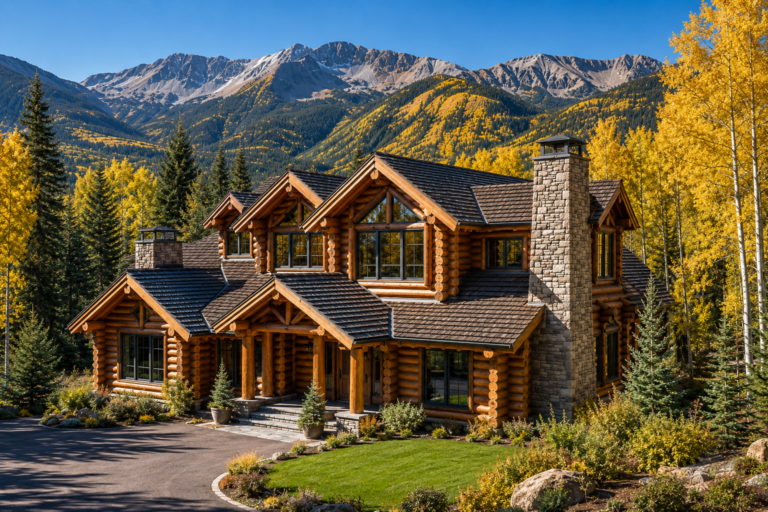












Aspen log homes are built for a setting unlike almost anywhere else in Colorado. The views are bigger, the winters are longer, and the weather can be hard on exposed wood. A cabin or log home in the high country has to handle intense sun, deep snow, wind, spring runoff, dry air, and quick temperature changes throughout the year. Those conditions can slowly wear down stain, open checks, weaken chinking, and create moisture problems around the lower logs, decks, rooflines, and shaded walls.
For Aspen homeowners, log home restoration is not just about improving curb appeal. It is about protecting the wood that gives the home its character. Whether your property is a hand-hewn mountain cabin, a round-log home, a timber-frame residence with log accents, or a newer custom mountain home, regular inspection and timely exterior maintenance can help prevent minor finish failures from becoming larger repair needs.
Pencil Log Pros provides practical log home restoration, staining, chinking, repair, and maintenance services for Aspen-area mountain homes. Our approach starts with the condition of the wood, the home’s exposure, the existing finish system, and the moisture patterns around the property. From there, the goal is straightforward: restore protection where it has failed, address vulnerable areas before they worsen, and help your Aspen log home hold up against another season in the Colorado high country.
Log Home Restoration for Aspen, Colorado Mountain Homes
Aspen sits in a high-elevation mountain environment surrounded by the Elk Mountains and White River National Forest. That setting is a major part of what makes the area special, but it also creates demanding conditions for exterior wood. Long winters and substantial snowfall can keep certain areas of a log home wet for extended periods, while strong summer sun can dry and fade exposed elevations faster than homeowners expect. :contentReference[oaicite:0]{index=0}
Most Aspen log homes do not weather evenly. A south-facing wall may show fading, roughened wood, and shallow surface checking long before the shaded north side looks worn. Lower log courses can take on moisture from snow buildup, splashback, or poor drainage. Walls below roof valleys may show dark staining or finish failure where water repeatedly runs over the same area. Deck posts, railings, trim, exposed beams, and log-to-concrete transitions can also become weak points when moisture is allowed to sit in place.
The right maintenance plan should account for those differences. A home that looks good from the driveway may still have vulnerable spots under decks, behind landscaping, along shaded walls, near chimney chases, and around roof runoff paths. Catching those issues early gives you more options. It may mean a focused cleaning, sealant repair, spot sanding, or maintenance coat rather than a more extensive restoration project later.
Why Aspen Log Homes Need a Climate-Aware Maintenance Plan
Log homes move naturally over time. Wood expands and contracts as it gains and loses moisture, and seasonal changes can make that movement more noticeable. In Aspen, those normal shifts are combined with snow, freeze-thaw cycles, high-country sun, wind, and wide temperature swings. The result can be open checks, separating chinking, failed caulk lines, and finish systems that wear unevenly across the exterior.
A maintenance plan for an Aspen log home should focus on three basic priorities: keeping bulk water away from the logs, maintaining a protective finish system, and sealing gaps before they invite moisture or drafts inside. That work does not always require a full restoration. In many cases, a thorough inspection identifies a smaller group of repairs that can protect the home and postpone more extensive work.
It is also important to consider how the home is used. A full-time residence may receive regular attention throughout the year, while a seasonal cabin may sit through long periods of snow, wind, and sun without anyone noticing a failed sealant line or a drainage problem. Vacation homes, rental properties, and second homes benefit from a consistent exterior inspection schedule because issues can develop gradually and remain hidden until they become visible from the outside.
Common Log Home Problems in Aspen’s High Country
Faded or Dry South-Facing Logs
Direct sunlight is one of the most common reasons Aspen log homes start to look uneven. South- and west-facing walls often receive more UV exposure than shaded elevations. Over time, that exposure can fade stain, dull the finish, dry the surface of the logs, and leave the wood more vulnerable to moisture. You may notice that one wall has turned lighter, grayer, or rougher than the rest of the house.
Fading is not always only cosmetic. When the protective finish has worn away, water can move into checks and exposed grain more easily. That can lead to darkening, raised grain, uneven stain absorption, and longer-term deterioration if it is ignored. A professional evaluation can determine whether the logs need cleaning and a maintenance coat, more extensive prep and refinishing, or selective sanding before a new stain system is applied.
Moisture Damage Near Snow Lines, Decks, and Roof Edges
Snow is part of life in Aspen, but melting snow can be hard on exposed wood when it lingers near the house. Lower log courses are especially important to inspect in spring. Snow piled along a wall, runoff from a roof valley, or water trapped near a deck connection can keep wood wet longer than it should be. Shaded areas may dry more slowly, especially where vegetation, stored materials, or tight landscaping limit airflow.
Look for dark staining, soft or spongy wood, peeling finish, blackened log ends, failed caulk, or areas where the stain remains darker after the rest of the wall has dried. Those symptoms do not always mean the logs require replacement, but they should be investigated. Correcting the water source is just as important as repairing the affected wood. A repaired log will not stay healthy if snowmelt, splashback, or roof runoff continues to hit the same area.
Checking, Gaps, and Failed Chinking
Checks are natural cracks that develop as logs dry and move. Many checks are not a structural issue on their own, but deep, upward-facing, or water-holding checks deserve attention. A check that collects moisture can become a path for water to work deeper into the wood. Larger openings may also allow insects, drafts, or wind-driven rain to enter the wall system.
Chinking and flexible sealants have an important job on a log home. They help bridge gaps between logs and seal transitions around windows, doors, trim, and other exterior details. Over time, chinking can separate from the wood, crack, or lose its bond in spots. Caulk lines can also pull away where log movement has occurred. Repairing those areas before winter is a practical way to reduce air leakage and moisture entry.
Old Coatings That No Longer Protect the Wood
Aging finish systems often show warning signs before they fail completely. You may see peeling, flaking, shiny patches beside dull patches, uneven color, bare wood, dark water marks, or a coating that looks thick and brittle. Simply applying another coat over a failing finish is not always the best answer. If the existing stain has lost adhesion or if the wood is weathered underneath, the surface may need proper preparation before new material can perform well.
The level of prep depends on the home. Some properties need a careful wash and maintenance coat. Others need sanding, stripping, or media blasting to remove failed product and create a cleaner surface for refinishing. The goal is not to use the most aggressive process possible. It is to choose the preparation method that makes sense for the condition of the logs, the type of existing finish, and the level of restoration needed.
Log Home Restoration Services in Aspen, CO
Log Home Washing and Surface Preparation
Every successful staining or repair project begins with a clean, properly prepared surface. Exterior logs can collect dirt, pollen, soot, loose finish, organic debris, and contaminants that interfere with adhesion. Washing helps reveal the true condition of the wood and gives a clearer picture of where repairs, sanding, or refinishing are needed.
Preparation should be tailored to the home rather than treated as a one-size-fits-all process. A light maintenance wash may be appropriate for logs with a sound finish. Wood with peeling stain, rough UV damage, or uneven coatings may require more involved work. Proper surface preparation creates a better foundation for stain, chinking, caulk, and other protective materials.
Media Blasting and Log Home Stripping
When a finish system has failed badly, media blasting or controlled stripping may be the right way to reset the surface. These methods can remove old coatings, lift embedded grime, and expose the condition of the wood beneath. They are often considered when a home has multiple layers of aging stain, heavy peeling, dark weathering, or uneven previous repairs.
Media blasting is not automatically necessary for every Aspen log home. It should be used when the condition of the surface supports it. A careful assessment helps determine whether blasting, chemical stripping, sanding, or a lighter preparation method will give the best result without creating unnecessary work.
Log Home Sanding and Wood Restoration
Sanding can improve the appearance and performance of weathered logs by smoothing rough areas, removing loose fibers, and preparing the surface for stain. It can also help blend selective repairs with adjacent wood. On an Aspen mountain home, sanding may be useful on sun-damaged elevations, around repaired log sections, near deck attachments, or in locations where old finish has broken down unevenly.
Wood restoration is often about bringing consistency back to the exterior. A log wall may have faded in patches, darkened below a roof valley, or developed rough spots near exposed corners. The right combination of cleaning, repair, sanding, and refinishing can make the home look more uniform while improving the protective qualities of the exterior finish.
Log Home Staining and Protective Finishes
Stain is one of the first things people notice on a log home, but its role goes beyond color. A good finish system helps protect the wood from UV exposure and moisture while supporting the appearance of the home. Aspen properties often need special attention on elevations that receive heavy sun or moisture exposure, because those areas can wear faster than sheltered walls.
Choosing the right stain approach starts with the existing condition of the logs. Some homeowners want to preserve a natural wood tone, while others want a richer, more uniform color after years of fading. The best approach depends on wood species, previous coatings, surface preparation, and the amount of weathering already present. A properly prepared and applied finish system can help keep the exterior looking maintained while making future maintenance more manageable.
Log Chinking, Caulking, and Sealant Repairs
Chinking and caulking are essential for weather protection on many log homes. They seal the spaces where logs meet and help manage movement without creating rigid, brittle joints. In Aspen, that flexibility matters. Seasonal temperature changes and moisture shifts can cause materials to expand and contract, particularly around windows, doors, trim boards, utility penetrations, and log-to-log joints.
Chinking repairs may involve removing failed material, cleaning the joint, installing proper backing where needed, and applying compatible flexible chinking or sealant. The goal is to restore a clean, continuous seal that keeps out water and drafts while allowing for normal log movement. Small failures are worth fixing early because water can travel farther than expected once it enters an open joint.
Log Rot Repair and Targeted Wood Replacement
Rot is usually a moisture-management problem before it becomes a wood-replacement problem. It may begin where snow sits against lower logs, where roof runoff repeatedly hits a wall, where a deck traps water, or where trim and sealants have failed around an opening. The first step is identifying both the damaged wood and the cause of the moisture.
Some areas can be stabilized and repaired without replacing large sections of the wall. Other situations may require targeted wood replacement where deterioration is more advanced. A mountain home with soft lower logs near a snow-prone entry, for example, would likely need more than cosmetic refinishing. It may need a combination of damaged-wood repair, drainage correction, sealant work, and renewed finish protection to prevent the issue from returning.
Deck, Railing, and Exterior Wood Maintenance
Many Aspen properties include decks, porches, railings, exposed beams, fascia, wood trim, and timber accents that face the same weather as the logs. These areas should be part of the maintenance conversation. Deck boards can hold snow and water, railing tops can weather quickly, and exposed beams may show UV damage long before the main walls need attention.
Maintaining exterior wood components alongside the log walls helps create a more consistent look and can prevent water from moving into vulnerable connections. The work may include cleaning, sanding, staining, sealing, caulking, localized repair, or replacement of damaged pieces where appropriate.
What a Practical Aspen Log Home Restoration Project Can Include
No two Aspen log homes need the same restoration scope. A property with good overall stain but a few failing chink lines might only need targeted repair and a maintenance visit. Another home with faded upper walls, darkened lower logs, peeling finish, and exposed wood around deck connections may need more extensive preparation before refinishing.
For example, a mountain home near Aspen with faded south-facing logs, dark staining below a roof valley, and separating chinking around several windows would probably start with a detailed inspection. Depending on the findings, the work could include washing, removal of failed finish, selective sanding, repair of moisture-affected areas, chinking touch-ups, caulking at key transitions, stain application, and a protective finish plan for future upkeep.
The right scope depends on the age of the home, log style, wood species, existing coating, roof design, drainage, landscaping, elevation exposure, and maintenance history. A careful assessment helps separate cosmetic concerns from issues that could allow water into the wood.
When Should Aspen Homeowners Schedule Log Home Maintenance?
Spring: Check Winter Exposure and Snowmelt Effects
Spring is one of the most useful times to inspect a log home in Aspen. As snow melts, homeowners can see where water traveled, where it pooled, and which areas stayed wet the longest. Check lower logs, deck posts, stairs, foundation-adjacent areas, roof valleys, downspout exits, and shaded sides of the home. Look for darkening, peeling finish, open checks, damaged chinking, or soft wood.
This is also a good time to remove debris that may have collected against the house. Leaves, pine needles, stored items, stacked firewood, and dense vegetation can hold moisture against exterior wood and make inspection more difficult.
Summer: Address UV Damage and Exterior Restoration Needs
Summer often provides a practical window for evaluating stain performance and completing exterior wood work. Strong sun makes faded areas easier to identify, and drier conditions can make it easier to inspect the logs for roughness, exposed grain, or finish failure. Summer is also a good time to look at areas that may be hidden by snow in winter, including lower walls, deck connections, and drainage routes.
For Aspen homeowners who split time between multiple properties, scheduling maintenance during the warmer season can help ensure the exterior is protected before cold weather returns.
Fall: Prepare the Home for the Next Snow Season
Before winter, focus on open checks, failed chinking, loose caulk, bare wood, damaged stain, and drainage issues. Addressing those concerns before snow arrives can reduce the chance of water working into exposed areas during freeze-thaw periods. Fall is also a good time to inspect gutters, downspouts, roof edges, and places where snow may slide or accumulate near the logs.
Mountain homeowners in nearby communities such as Vail, Avon, and Edwards often face similar seasonal maintenance priorities, even though each property’s exposure and elevation can be different.
How to Protect Your Aspen Log Home Between Professional Service Visits
Regular homeowner attention can go a long way toward protecting exterior wood. You do not need to diagnose every crack or stain issue on your own, but knowing what to watch for makes it easier to call for help before a problem becomes more serious.
- Walk around the house at least once in spring and once before winter.
- Watch for faded stain, peeling finish, exposed raw wood, or rough surface texture.
- Check the lower log courses for dark staining, soft spots, or moisture trapped by snow, mulch, or debris.
- Look closely at roof valleys, gutters, downspouts, deck connections, and areas beneath roof overhangs.
- Inspect chinking and caulk around windows, doors, log joints, and trim transitions.
- Keep plants, stacked materials, and stored items from resting directly against the log walls.
- Pay attention to changes on south- and west-facing elevations, where UV exposure may wear finishes faster.
- Address drainage concerns before runoff repeatedly reaches the same logs or exterior wood details.
These habits are especially useful for homes that are occupied seasonally. If you only visit occasionally, take photos of key walls and problem areas over time. Comparing images from one season to the next can make gradual finish failure easier to spot.
Serving Aspen and Nearby Colorado Mountain Communities
Aspen homes have their own site-specific challenges, but many mountain properties across western and central Colorado deal with similar concerns: high-country sun, winter snow, roof runoff, dry conditions, and weathered exterior wood. Pencil Log Pros also works with homeowners looking for practical log home care in areas such as Eagle and Glenwood Springs, where sun exposure, drainage patterns, elevation, and moisture conditions can vary from one property to the next.
Whether your home is near town, set back in the trees, on an open hillside, or in a shaded mountain setting, the maintenance plan should reflect how that specific structure handles the weather. A south-facing home on an exposed site may need more attention to stain performance. A wooded property with slower drying conditions may need closer monitoring around lower logs, decks, and shaded walls.
Why a Preventive Approach Matters for Aspen Log Homes
Log home maintenance works best when it is proactive. Waiting until the finish is peeling across the entire house or until the wood feels soft can limit your options and increase the amount of restoration work required. Regular cleaning, timely staining, chinking repairs, caulk maintenance, and moisture management can help preserve the exterior’s appearance and performance over the long term.
A preventive approach also gives homeowners more control over scheduling. Instead of reacting to visible damage after a hard winter or a season of intense sun, you can plan work around the home’s condition and the most practical weather window. That can make restoration more manageable and help keep your cabin, log home, or timber-frame residence looking cared for year after year.
The goal is not to make a mountain home look artificially new. It is to protect the wood, maintain the details that make the home distinctive, and address weather-related wear before it grows into a larger issue.
Frequently Asked Questions About Log Home Restoration in Aspen, CO
How often should a log home in Aspen be inspected?
Most Aspen log homes should receive a thorough exterior inspection at least once a year. Spring and fall are especially useful times to look for snowmelt damage, failed finish, open checks, separating chinking, drainage concerns, and areas where moisture may be trapped against the wood. Homes with heavy sun exposure, complex rooflines, or seasonal occupancy may benefit from more frequent checks.
Can a faded Aspen log home be restored without replacing all the logs?
In many cases, yes. Faded stain, surface weathering, roughened wood, and isolated finish failure can often be addressed through cleaning, preparation, sanding, staining, and sealing. Log replacement is generally considered when there is deeper decay or structural deterioration. An inspection helps determine whether the issue is primarily cosmetic, protective, or more serious.
Why is one side of my Aspen cabin more faded than the others?
Different elevations receive different amounts of sun, wind, and moisture. South- and west-facing walls often weather faster because they receive more direct UV exposure. Shaded walls may fade less but can hold moisture longer, especially near decks, vegetation, or snow accumulation. A good maintenance plan accounts for those differences rather than treating every side of the home the same.
Does log chinking need maintenance in a mountain climate?
Yes. Chinking and caulking can separate or crack over time as logs move and weather changes. Small gaps can let in drafts, wind-driven moisture, and insects. Routine inspection and targeted repairs can help maintain a continuous seal around log joints, windows, doors, and exterior transitions.
What should I do if snowmelt collects near the bottom logs?
Start by identifying why water is collecting there. The source may be roof runoff, poor grading, a downspout outlet, snow piled against the wall, or a deck detail that holds moisture. Remove debris where practical, improve drainage as needed, and inspect the affected wood for finish failure, dark staining, or soft areas. Repairing the water source is important before refinishing or repairing the logs.
When is the best time to stain a log home in Aspen?
The best timing depends on weather conditions, wood moisture, the type of work required, and the condition of the existing finish. A professional assessment can help identify the right preparation process and a practical work window. In general, it is better to plan before the finish has completely failed and before cold, wet conditions return.
Talk With Pencil Log Pros About Your Aspen Log Home
Your Aspen log home deserves maintenance that reflects the realities of mountain weather. Whether you are dealing with faded stain, peeling finish, failed chinking, checking, moisture damage, or simply want a professional opinion on the condition of your exterior wood, Pencil Log Pros can help you understand the next practical step.
Scroll to the bottom of this page to connect with Pencil Log Pros and discuss restoration, staining, chinking, repairs, or ongoing maintenance for your Aspen, Colorado log home.