
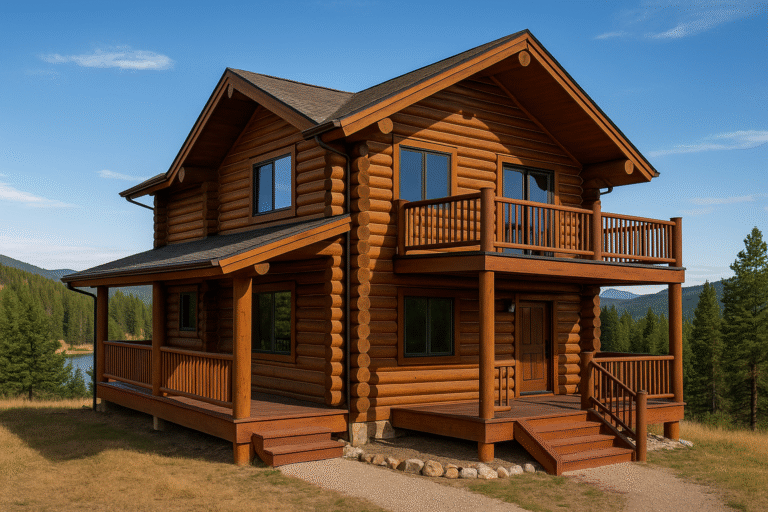
Why Nederland, CO Homeowners Choose Specialized Log Care
Nestled along the Peak to Peak corridor at high elevation, Nederland sees bright alpine sun, quick weather swings, and wind that funnels across the Divide. Those conditions are tough on log homes. Finishes fade faster, checks open wider, and wind-driven moisture can sneak into end grain and corner notches. This page lays out what typically matters most for Nederland log cabins and timber homes: how to spot early warning signs, which products and methods stand up to high-country weather, and what a phased, practical maintenance plan looks like here.
Whether you’ve got lodgepole pine, Engelmann spruce, or a cabin with cedar accents, the combination of strong UV and freeze–thaw cycles means routine care goes further than reactive repair. Owners who keep a simple annual inspection habit—wash, inspect, spot-seal—tend to avoid big one-time restorations later.
How Nederland’s Alpine Climate Impacts Log Homes
High-Elevation UV and South-Facing Walls
At altitude, UV intensity accelerates finish breakdown. South and southwest elevations dull first, then go patchy, and eventually turn porous. Once stain loses water repellency, wind-driven precipitation can wick into checks and end grain. The remedy in Nederland usually includes more frequent wash-and-recoat cycles for sunny walls and choosing stains designed for high UV exposure.
Wind, Snow Loading, and Wind-Driven Moisture
Cold fronts and upslope storms can push snow and rain horizontally, forcing moisture into checks and tiny gaps at window and trim interfaces. In these situations, flexible, elastomeric sealants paired with properly sized backer rod make a real difference. So does attention to flashing details and drip edges, especially where decking intersects log walls.
Freeze–Thaw, Ice Dams, and Checking
As temperatures swing, small surface checks expand and contract. If those checks are unsealed, they can channel water; once water gets in and freezes, the cycle can widen the opening. In Nederland, a careful “tune-up” of checks—clean, backer rod where needed, then a compatible sealant—is a common and effective task during shoulder seasons before deep winter sets in.
Dry Air, Rapid Weather Swings, and Seasonal Movement
Dry air and quick swings from sunny afternoons to chilly nights mean logs move. This seasonal movement telegraphs through chinking and caulking lines. Products with the right joint design (depth-to-width) and elongation handle this well. On additions or older homes, you may also see differential movement where log walls meet framed bump-outs; those seams deserve close attention during inspections.
Local Wood Species & Styles You’ll See Around Nederland
Lodgepole pine and Engelmann spruce are common in mountain cabins. You’ll also find round logs, occasional hand-hewn faces, and timber-frame accents. Chinking is widespread in the high country, not only for style but for function—properly detailed chink lines absorb movement while closing off air and moisture paths.
Common Issues We See (and How They’re Typically Addressed)
Faded, Patchy Stain on Sunny Elevations
When color turns flat and water no longer beads, a maintenance recoat can often recover protection—but if the surface is blotchy or has failed films, a deeper prep is needed. Nederland homes may require selective sanding or stripping on the sunniest walls, while shaded walls get a lighter wash/brighten and blend coat to keep tones consistent.
Open Checks and Failed Caulk/Chink Lines
Hairline openings may look minor but can channel water to the heart of the log. The typical fix uses backer rod to set proper joint geometry and a high-quality, stainable elastomeric sealant. In windy ridge locations or homes exposed to cross-slope gusts, these tune-ups are worth planning before heavy winter storms.
Water Staining Under Eaves and Around Railings
Stains below eaves or near rails often point to splash-back or drip line issues. Adding drip kerfs to top rails, trimming back landscaping, or revisiting flashing details are low-profile solutions. After source control, a clean, brighten, and targeted reseal usually restores uniform color and water repellency.
Rot Risk at Log Ends, Sills, and Stair Stringers
End grain soaks moisture faster than faces. If you spot darkening or soft spots at log ends or sills, plan for early intervention: probe to sound wood, dry the area, use epoxy consolidation or a dutchman repair as appropriate, and finish with thorough end-grain sealing. Consistent end-grain maintenance pays off in Nederland’s freeze–thaw environment.
Insect & Woodpecker Activity
Occasional insect frass or woodpecker pecking can appear where insects are present or finish is weak. If you see fresh holes or “sawdust,” consider a borate treatment as part of prep. Patching and stain blending afterward keeps the repair discreet.
Our Log Home Services for Nederland, CO
Full Restoration: Strip, Sand, Stain, and Seal
When finish failure is widespread, a full restoration is the most reliable reset. Depending on the existing coating and site conditions, crews may recommend media blasting, chemical stripping, or mechanical sanding. In Nederland, shade management (working with the sun’s arc), careful cleanup, and moisture-aware timing are essential for consistent results.
Re-Staining & Finish Maintenance
For sound finishes that are simply thinning, a maintenance recoat gives fresh UV protection and water repellency. Owners often schedule this on a two-to-three-year rhythm for south and southwest walls, with longer intervals on sheltered elevations.
Chinking & Caulking (Checks, Notches, and Between Logs)
Modern chinking products remain flexible across wide temperature swings. Good joint design (backer to control depth) and neat tooling prevent edge failure. Color matching matters in the high country where mid-tone browns and natural wood hues are common.
Log Repair, Rot Mitigation & Partial Rebuilds
From localized end-grain rebuilds to replacing severely compromised rounds, repairs focus on stabilizing the structure and blending visually with surrounding logs. In exposed areas, follow-up sealing and careful drip-edge planning help prevent repeat issues.
Washing, Brightening, and Surface Prep
Prep determines longevity. A gentle wash removes pollen and dust; an oxalic-based brightener can correct graying prior to stain. Thorough rinsing and verified dry times are musts in Nederland’s cool mornings and sunny afternoons.
Decks, Rails, and Timber Accents
Horizontal surfaces weather fast. Non-film finishes that are easy to renew keep decks and rails protected without heavy build-up. Adding subtle drip edges to top rails and keeping snow from lingering against posts reduce moisture soak. For ideas that translate well across the high country, see how owners in Evergreen manage foothill sun and afternoon storms—it’s a useful comparison for Nederland’s exposure.
What a Typical Nederland Project Could Look Like
Peak-Sun South Wall Refresh
A south-facing wall overlooking open terrain would likely need selective sanding or stripping where film finishes have failed, followed by a UV-robust stain and careful edge blending so the refreshed elevation matches the rest of the home.
Chinking Touch-Up on a Wind-Exposed Ridge Lot
On a lot with steady crosswinds, narrow gaps could appear at chink edges. A targeted chink/caulk tune-up with backer rod in oversize checks would typically restore a tight envelope and improve comfort inside on gusty days.
Log-End Protection Near a Snow-Loaded Roof
Where roof geometry sheds to a corner, log ends could show darkening. The likely scope includes trimming to sound wood if needed, consolidating, sealing, and adding a small deflector or drip detail above to reduce future wetting.
Our Process, Tailored for the High Country
Site Visit & Elevation-By-Elevation Assessment
Each elevation behaves differently. We look at sun paths, drip lines, roof kick-outs, grade clearance, and any places where decks or railings intersect log walls. It’s common to prioritize the brightest elevation first so color and sheen balance across the home.
Surface Prep: Cleaning, Dry Times, and Moisture Checks
After washing and brightening as needed, crews monitor moisture before stain or chink work. Target moisture ranges help finishes bond well. In Nederland’s climate, starting on shaded faces in the morning and working into sun later in the day can minimize lap marks and flash drying.
Stain & Sealer Selection for UV and Movement
Breathable systems that shed water without forming a brittle film are popular at altitude. Mid-tone colors tend to hide early UV fade better than ultra-light or very dark shades, which can show wear or heat up under sun.
Detail Work: Checks, Notches, Corners, and Trim Interfaces
Strategic backer rod sizing and neat tooling at corners and notches create joints that flex rather than crack. Window and door perimeters, fascia-to-log interfaces, and stair connections are frequent detail points in Nederland homes.
Final Walkthrough & Maintenance Plan
Owners get color references and product notes, plus a simple schedule keyed to exposure. Clear documentation makes it easy to keep up with quick tune-ups that extend the life of a larger restoration.
Seasonal Timing: When to Schedule Work in Nederland
Spring: Thaw, Moisture, and Pollen
As snow recedes, spring is a good time for washing, inspection, and early sealant tune-ups. Plan around meltwater and cool mornings so surfaces dry properly.
Summer: Prime Window for Full Restorations
Warm, drier stretches allow for stripping, sanding, and multi-step finish systems. Shade management is key—work earlier on sunlit faces and rotate as the sun moves. Homeowners comparing schedules with neighbors over Berthoud Pass in Winter Park often find similar summer windows, though Nederland’s wind can be a touch stronger on exposed lots.
Fall: Seal It Up Before Freeze
Before the first hard freeze, touch up checks, recoat the brightest walls, and address any suspect end grain. Fall is also a good time to set a plan for decks and rails heading into winter. Conditions resembling nearby Fraser—cool nights and bright, dry days—make fall a favorite for maintenance coats.
Winter: Planning and Limited Interior/Protected Work
Winter is best for estimates, color consultations, and small interior or protected-area tasks. Exterior work depends on safe access and adequate temperatures for product cure. If you split your time between Nederland and places like Grand Lake, syncing scheduling across both homes can streamline maintenance.
Maintenance Intervals That Work at This Elevation
Annual: Wash, Inspect, Spot-Seal
Each spring, remove dust and pollen, then check south and windward walls, log ends, and trim transitions. Spot-seal fresh checks and touch up thin stain areas to keep water beading.
Every 2–3 Years: Re-Coat Sun-Exposed Walls
In strong sun, a two-to-three-year recoat cycle keeps finishes healthy. Shaded walls can often wait longer, but keeping tones coordinated avoids visible banding.
Every 5–7 Years (Variable): Rejuvenation or Partial Strip
Depending on the product and exposure, plan on a rejuvenation coat or selective stripping in that range. Owners with properties in similar high-country climates like Granby often follow the same cadence.
After Major Wind or Spring Storms
Do a quick perimeter walk. Look for small separations at chink edges, fresh checks at corners, and any drip lines that might be wetting the wall. Short, timely fixes save larger work later.
Choosing Stains, Chinking, and Sealants for Nederland
Breathability vs. Film—What Works Here
Film-forming products can look great at first but may crack in freeze–thaw. Breathable systems tend to be easier to maintain at altitude. If you have a legacy film finish, discuss a transition plan; it may be more economical to step into a breathable system during the next major restoration.
Color Choices that Age Gracefully in Alpine UV
Mid-tone browns and warm natural hues hide early fade and spot repairs better. Very light colors can look chalky sooner; very dark colors can build heat and telegraph wear. Test sample boards in sun and shade before committing.
Chinking Flexibility and Adhesion
Look for chinking that remains elastic in cold and hot swings and bonds to properly prepared wood. Joint design matters as much as product choice; too much depth leads to unnecessary stress and edge failure.
Decks, Railings, and Outbuildings
Horizontal Surfaces in a Freeze–Thaw Zone
Choose finishes that are easy to refresh and won’t peel on flat grain. Keep snow and debris off decks to minimize moisture cycles. Where rails discharge water onto walls, add discreet drip edges and maintain those top rails regularly.
Detached Garages, Sheds, and Sauna Cabins
Outbuildings benefit from the same color families and finish systems as the main home. Coordinating schedules keeps materials consistent. If you also manage a mountain home in Evergreen or a cabin west of the Divide, align maintenance windows to minimize color drift between structures.
Budgeting and Scopes: Getting the Most Out of Each Season
Prioritizing High-Exposure Areas First
Direct sun and windward faces get top priority. Next, address log ends, window perimeters, and interfaces with decks or stairs. This sequence preserves structure while keeping the home looking uniform.
Phasing Projects Over 1–2 Seasons
Phasing is common in Nederland. Start with the south/southwest walls and critical detail work. Follow with shaded elevations and outbuildings. If a full restoration is on the horizon, an interim maintenance coat on the brightest wall can stabilize things until the main project slot opens.
Frequently Asked Questions (Nederland-Specific)
How often should I re-stain at this elevation?
Plan for sunniest walls every two to three years, with shaded walls on a longer cycle. Your moisture readings, water bead test, and visual inspection will tell you if it’s time sooner.
Can you work around afternoon thunderstorms and wind?
Yes—by staging prep early, coating in stable windows, and rotating elevations with the sun. Wind screens and shade strategies reduce lap marks and overspray. Owners in nearby Winter Park and Fraser use similar day-by-day adjustments for predictable results.
What if my cabin has older chinking that’s brittle?
It can often be tied into with modern, flexible products. Where adhesion is poor, remove and replace those sections, set proper backer depth, and match color to surrounding lines.
Is borate treatment helpful in the high country?
Borates are a useful tool where insect activity or prior moisture issues exist. They’re typically applied during prep, before stain, and must be compatible with the finish system.
My logs are beetle-kill blue—can you keep the character?
Yes. Finishing strategies range from clear or lightly toned stains that preserve figure, to mid-tone tints that soften heavy blue while keeping grain visible. Test boards in full sun to confirm the look.
Before & After Expectations
After a careful restoration, expect richer color, consistent sheen, and clean edges at chink and trim lines. Water should bead on contact. Most importantly, you’ll have a straightforward plan to keep it that way—wash yearly, inspect critical areas, and touch up before issues scale.
Ready to Protect Your Nederland Log Home?
If you’re seeing finish dulling, dark log ends, or gaps at chink lines, it’s the right time to act. Scroll to the bottom of this page to connect with Pencil Log Pros—let’s set a plan that fits Nederland’s high-country weather and your schedule.