
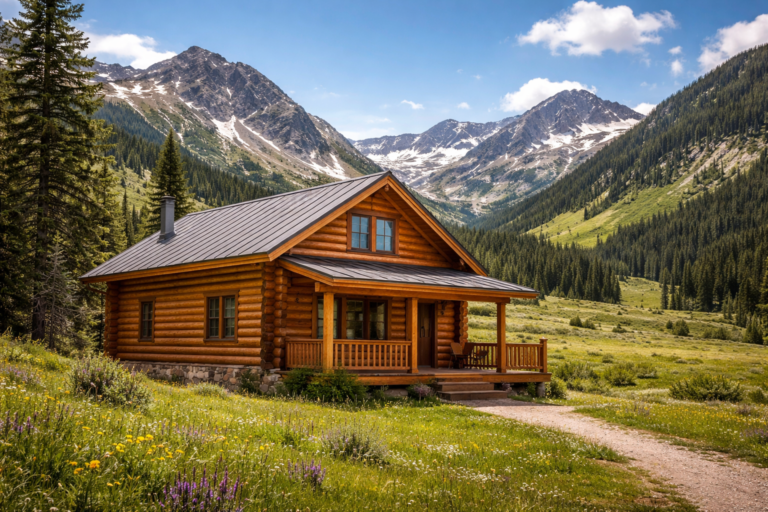
Gothic, Colorado, is one of those places that feels like the end of the road in the best way possible. Tucked high in the upper East River Valley, surrounded by steep peaks and big snowpack, it’s a spot where log cabins have to put up with far more than postcard views. Long winters, intense sun, and a short construction season all mean one thing for owners: if you want your log home in Gothic, CO, to last, you need a smart, climate-aware restoration and maintenance plan.
Whether your place is a rustic research cabin near the old townsite, a family getaway along Gothic Road, or a backcountry-style retreat closer to Schofield Pass, log home restoration in Gothic, CO is all about staying ahead of UV, moisture, and movement in the wood. That’s where careful prep, the right stains, and detailed chinking and repair work really pay off.
Life in Gothic, CO – What Makes Log Homes Here Different
A high-country ghost town with working cabins
Gothic started as a mining town and today feels more like a seasonal alpine outpost, with cabins scattered around the valley and near the old townsite. Many of the buildings are simple, functional log structures used by researchers, staff, and seasonal residents. You’ll see everything from older hand-hewn logs with chinking to more modern round pine or spruce logs with caulking between courses.
At roughly 9,500 feet, Gothic sits in true high-country terrain. That altitude changes the game for wood care. The town quiets down in the winter, but the cabins don’t get a break – they’re buried in snow, blasted by wind, and hit by intense sun whenever the sky clears. Restoration work here has to respect the rustic character of each building while giving it enough protection to survive another round of winter and spring melt.
Alpine weather and deep snowpack
Winters in Gothic are long, cold, and snowy. Snow lingers well into spring, piling up along walls, decks, and railings. When spring finally arrives, the shift from sub-zero temperatures to warm sunny days can be dramatic. Logs expand and contract, ice melts and refreezes, and any weak spots in finishes or chinking become apparent quickly.
Cabins near creek bottoms, shaded slopes, or wind-loaded areas tend to see especially heavy snow along their lower walls and corners. That snowpack holds moisture against the wood for weeks at a time. If the stain is thin or failing, water starts to soak in instead of shedding off, and that’s when rot and insect issues become more likely.
High-elevation sun, UV, and wind exposure
The same clear skies that make Gothic so beautiful are tough on finished wood. UV intensity increases with elevation, and the upper East River Valley gets a lot of bright, high-angle sun, especially in the heart of summer. South- and west-facing walls fade first, progressing from rich color to dull, patchy gray.
Wind can drive snow, rain, and dust against the logs, scuffing finishes and pushing moisture into checks and joints. On top of that, late-spring snow on the ground reflects sunlight back onto lower courses of logs, deck posts, and railings. Without a strong, UV-resistant stain system, it’s normal to see Gothic cabins needing attention more often than similar homes at lower elevations.
Common Log Home Problems Around Gothic
Faded stain and bare wood on sunny walls
One of the first things cabin owners notice is how quickly the stain fails on sunny sides of the home. In Gothic, walls facing open meadows or the main valley often show fading within just a few seasons. The wood takes on a dry, fuzzy look; color becomes uneven; and water begins to soak in rather than bead up.
Once the top layer of protection breaks down, UV starts attacking the surface fibers, turning them gray. If that gray layer isn’t removed during restoration, the new stain may not bond properly, leading to premature failure. That’s why careful surface prep is critical when dealing with high-elevation cabins.
Snow, ice, and splashback damage
Many Gothic cabins have metal roofs with a steep pitch, which is effective at shedding snow but hard on everything below. Sliding snow can scrape and impact decks, lower logs, and railings. Ice dams in tricky roof transitions can cause meltwater to run down walls or drip constantly in one spot, leaving water stains and potential soft spots.
Snow banks pressed against lower logs, along with splashback from spring melt, also add a ton of moisture where wood is usually closest to grade. If there’s no kickout flashing or the stain is worn thin near the ground, those logs have a much higher risk of rot.
Checking, gaps, and drafts from freeze–thaw cycles
All log homes develop checks (cracks) as the wood dries and moves, but in Gothic’s climate, those checks can widen and deepen quickly. Most are harmless, but when a check runs into a corner, window, or door frame, it can become a pathway for water and air.
Seasonal movement also pulls on old chinking and caulking. Gaps open up between logs, around corners, and at tricky intersections, such as window trim. In winter, those gaps become obvious drafts; in shoulder seasons, they can be subtle but still let moisture in. Keeping the building tight without over-sealing it takes the right materials and application methods.
Moisture, insects, and rot in an alpine valley
Compared to the drier Colorado valleys, Gothic receives substantial moisture from deep snow, afternoon thunderstorms, and nearby rivers and streams. Bottom courses, log ends, and shady walls naturally stay wetter longer. If the stain is thin or fails in these areas, water can soak far enough into the wood that it never fully dries out between storms.
Over time, that kind of chronic dampness creates conditions that increase the likelihood of rot and insect activity. Carpenter ants, boring beetles, and woodpeckers may show up where soft or decayed wood develops. Catching these issues early with good inspections and maintenance makes repairs simpler and less invasive.
Log Home Services Pencil Log Pros Can Provide in Gothic
Full log home restoration and refinishing
When wood stain has badly faded, peeled, or gone patchy, spot touch-ups usually aren’t enough. A Gothic cabin with years of neglected finish would likely need a full restoration: washing, stripping, or media blasting to remove failing stain and gray wood, followed by sanding and detail work before new coatings go on.
Once the surface is properly prepped, high-performance stain systems designed for high UV and cold temperatures can be applied. In Gothic, it usually makes sense to use breathable products that allow moisture to escape while still providing solid color and water shedding. The result is a finish that looks good and stands up much better to altitude, sun, and snow.
Log repair, replacement, and structural touch-ups
Even with a high-quality stain, some areas of a cabin will take more abuse than others. A log end too close to grade, a sill log under a leaky deck, or a corner that takes snow and wind year after year might develop soft spots. In Gothic, where access can be tricky, it’s important to repair only what truly needs it, while preserving as much original material as possible.
Typical repairs might include cutting out sections of rotten log and splicing in new material, sistering structural members, or using epoxy consolidants and fillers in localized areas. The goal is to stabilize the structure, restore strength, and blend repairs so the cabin still looks like itself, not like a patchwork of new and old.
Chinking and caulking for tight, weather-smart cabins
Older Gothic cabins might still have traditional mortar-style chinking, while more modern builds use flexible synthetic chinking and caulk. In this climate, flexible materials are usually the smarter choice, because they can expand and contract as logs move with season and moisture.
A thorough chinking and caulking tune-up often includes sealing problematic checks, reworking joints at corners, and cleaning out failed or brittle material before installing new product. Done right, this reduces drafts, keeps out bugs and moisture, and improves energy efficiency without altering the home’s character.
Decks, railings, and exterior wood features
Decks and railings in Gothic get hammered by sun, snow, and traffic. Boards cup and crack, handrails dry out, and posts show rot where they meet the ground or sit on poorly flashed connections. Because decks are also a big safety component, they deserve the same level of attention as the logs.
A comprehensive approach might include replacing unsafe or severely rotted sections, tightening connections, and then stripping, sanding, and restaining the deck with a product suited to heavy weather and foot traffic. Railings, stairs, and landings receive the same treatment, so everything weathers evenly and performs together.
Ongoing maintenance plans for seasonal cabins
In a place like Gothic, the difference between “looks tired” and “needs full restoration” can be just a few years. That’s why simple, repeatable maintenance plans work so well for seasonal cabins. A regular schedule of washing, inspection, and touch-up staining helps prevent small issues from turning into major projects.
For many owners, it makes sense to build a long-term plan: assess the entire cabin, prioritize urgent items (such as bare wood or obvious rot), and then plan future maintenance cycles for staining, chinking, and decks. That way, you know what’s coming, and your cabin is always reasonably protected when winter rolls back in.
Timing Projects in Gothic’s Short Construction Season
Best time of year to work on a Gothic log home
Exterior log work in Gothic generally needs dry weather and temperatures warm enough for stains and sealants to cure properly. Practically, that means projects often occur after Gothic Road is reliably open and major snowbanks have receded, and before the first major fall storms begin to accumulate again.
There’s a sweet spot in the season when walls are dry, days are long, and daytime temperatures are strong enough to help coatings cure. Planning ahead is essential to ensure your project fits within that window, especially if your cabin is only accessible for a few months each year.
Pre-winter prep for cabins at 9,500 feet
If you can’t fit a full restoration into the schedule, a pre-winter prep visit can still make a big difference. Sealing deep checks that point toward the weather, touching up stain on exposed faces, and inspecting flashing and gutters all help keep meltwater away from vulnerable areas.
This kind of quick work might include tightening chinking in a few known problem corners, caulking around windows and doors, and checking deck connections. The goal is to head into winter with fewer open pathways for water and less bare wood exposed to months of snow and ice.
Summer UV and afternoon storms – maintenance priorities
Summer in Gothic often means strong morning sun, afternoon clouds, and quick storms. Dust and road grime from Gothic Road, pollen, and general mountain debris can build up on logs and decks. A simple wash to remove that buildup can extend the life of your stain and make it easier to spot trouble spots.
Mid-summer is also a good time to walk around the cabin and check for early signs of trouble: lightened stain on corners and trim, dark streaks below log ends, or any spots where water seems to be hitting repeatedly. Catching these early enables targeted touch-ups rather than full-scale rework.
Remote, High-Country Access – How Projects Actually Work in Gothic
Getting materials and crews to your cabin
Working on a log home in Gothic isn’t the same as working in a subdivision down in the valley. Access is often via a narrow mountain road with limited parking and staging. That means projects need to be planned so materials, equipment, and crew vehicles can get in and out without disrupting neighbors or research activities.
A good plan usually includes advance coordination on parking, staging areas, and times of day when noise or equipment movement is least disruptive. For cabins further up the valley, this may also mean consolidating deliveries and scheduling work when the road is in optimal condition.
Protecting nearby cabins, vehicles, and native vegetation
In a compact place like Gothic, cabins, parked vehicles, and native meadows can sit very close to where work needs to happen. Careful masking and shielding help prevent blasting media, dust, and overspray from reaching neighboring structures and cars.
At the same time, the alpine environment around Gothic deserves extra respect. Planning tarps, catchment, and cleanup to protect wetlands, grasses, and streams helps keep the site looking natural after the project is done and avoids unnecessary disturbance to fragile high-country soils.
What homeowners can expect day-to-day
Day-to-day, a log restoration project in Gothic usually follows a predictable schedule: crews arrive within a set window, set up, complete their tasks, and secure the site before leaving. Noise levels vary depending on whether washing, sanding, blasting, or quiet detail work is happening.
Because cellular and Wi-Fi coverage can be inconsistent, it’s important to establish communication expectations up front. That might include scheduled check-ins, photo updates, or simple written summaries so you know what’s been completed and what’s next, even if you’re not on-site.
Example Gothic, Colorado Area Log Home Scenarios
Historic mining-era cabin near the townsite
Picture a small, older hand-hewn log cabin set close to the main Gothic townsite. The logs might show decades of weather, with thin or patchy stain, a few replaced boards, and mortar-style chinking that has cracked in places. A structure like that would probably benefit from very gentle cleaning, careful removal of failing finishes, and selective log repair rather than heavy-handed sanding.
A historically sympathetic stain color and thoughtfully applied modern chinking can protect the cabin while preserving its mining-era character. The work is less about making it look brand new and more about stabilizing what’s there so it can withstand another long stretch of winters.
Seasonal researcher cabin along Gothic Road
Now imagine a more modern seasonal cabin used heavily in summer by researchers, staff, or families. Bikes lean against the deck, boots pile up by the door, and the place sees a lot of in-and-out traffic. South-facing walls might be bleached by the sun, and the deck could be grayed and rough from use.
A cabin like this would likely need washing, a maintenance coat or two of stain on the logs, a deeper refinishing of the deck, and a chinking and caulking check at busy corners and around doors. The goal is to keep it comfortable and efficient for day-to-day use while minimizing the wear and tear that comes with an active lifestyle in the mountains.
Remote backcountry-style cabin toward Schofield Pass
Farther up the valley, a more remote cabin closer to the Schofield Pass area might take on even more snow, wind, and isolation. Access may be limited to a short window, which means any restoration or maintenance effort must be tightly organized and focused.
For a place like that, durable stain systems, robust chinking, and careful detailing around roofs, decks, and log ends become even more important. Getting the work done efficiently during that brief window of access can set the cabin up for several years of solid performance.
Comparing Gothic Log Home Needs to Nearby Towns
Gothic vs. Crested Butte and Mt. Crested Butte
Just down the valley, log home restoration in Crested Butte faces some of the same weather patterns as Gothic, but the homes themselves are often different. Many properties in town are newer, with tighter construction and more protected sites, even though they still sit at high elevation and see plenty of snow.
Up the road, cabins and condos up in Mt. Crested Butte experience big snow loads and high winds, much like Gothic, but they’re usually in more developed neighborhoods with better access and utilities. By contrast, Gothic cabins tend to be more rustic, more exposed, and tucked into a valley where the snow piles deep and lingers late. Experience working in all three areas helps inform product choices and techniques that hold up from town to the high country.
Gothic vs. Crested Butte South
Crested Butte South sits down-valley enough to feel slightly milder, but it still deals with real winter and strong sun. Many of the homes there are full-time residences or well-loved second homes, with larger footprints and more modern construction than some of the Gothic cabins.
Owners in Crested Butte South often look for a balance between long-lasting finishes and a clean, neighborhood-friendly look, while Gothic owners may prioritize rugged durability and historic character. Understanding how finishes behave between Gothic and Crested Butte South makes it easier to dial in stain colors, sheen levels, and maintenance intervals that work for both property types.
Gothic vs. Gunnison and Almont in the wider valley
Down in the main valley, homes in places like Gunnison and Almont see more sun, less continuous snowpack, and generally easier access. That can extend maintenance intervals slightly and simplify scheduling, but dry air and intense UV still take a toll on exterior wood.
For cabin owners who live or work in Gunnison or Almont and keep a second place in Gothic, it’s helpful to build a maintenance strategy that connects both homes. Lessons learned on one property – like how a particular stain color weathers or how often a deck needs cleaning – often translate directly to better decisions up in Gothic.
Choosing the Right Log Finishes and Materials for Gothic’s Climate
Stain systems that handle high UV and cold
Not every log home stain handles altitude the same way. In Gothic, products must withstand intense UV exposure, wide temperature swings, and frequent moisture cycling. Penetrating systems that soak into the wood rather than forming a thick film on top often perform better in this kind of environment, especially when combined with proper washing and prep.
Color choice matters too. Slightly darker, earth-toned stains can better hide natural weathering and UV effects than very light tones, while still allowing the grain to show. The key is matching the product and color to the specific cabin, its exposure, and the owner’s preferences.
Chinking, caulk, and sealants rated for temperature swings
Chinking and caulking products need to stretch and compress without tearing or pulling away from the logs. In Gothic’s climate, that means using materials with strong adhesion and high elasticity ratings, installed over properly prepared joints and backer rod where needed.
Color selection can help chinking blend into the home’s overall look or highlight the traditional lines between logs. Either way, the goal is a weather-tight shell that still lets the building breathe and move naturally.
Hardware, fasteners, and detailing that last
Good detailing around roofs, decks, and log-to-stone connections can make or break a log home’s performance in Gothic. Stainless or properly coated fasteners, effective drip edges, and kickout flashing keep water moving away from vulnerable areas rather than allowing it to soak in.
These small details aren’t flashy, but they reduce staining, slow rot, and help avoid expensive repairs down the road. When a cabin is difficult to reach for part of the year, building in that kind of durability is especially important.
Planning Your Gothic Log Home Project
What to photograph and measure before reaching out
If you’re starting to plan a project for your Gothic cabin, a few simple steps can make the first conversation much more productive. Take clear photos of all four sides of the home, plus any problem areas: gray or peeling stain, soft spots, dark streaks, or gaps in chinking and caulk.
It also helps to note access details – how wide the driveway is, where vehicles can park, whether there are neighboring cabins close by, and what kind of road leads to your place. All of that information helps shape a realistic plan and schedule.
Site visit, recommendations, and budget ranges
When the time is right, a site visit in Gothic usually starts with a slow walk-around, taking in the big picture before zooming in on specific problem areas. That might include probing suspicious areas with a moisture meter, checking how decks and railings are connected, and inspecting how roofs and gutters shed water.
From there, recommendations are typically prioritized into immediate protection (bare wood, active rot, serious gaps) and longer-term improvements (color changes, cosmetic upgrades, deck rebuilds). Clear, realistic budget ranges help you decide what makes sense now and what can be phased over several seasons.
Building a long-term maintenance plan
Once the initial restoration or catch-up work is complete, a long-term plan keeps your Gothic cabin from slipping back into rough shape. For many homes in this climate, that might mean a gentle wash and detailed inspection every year or two, small touch-up staining as needed, and larger recoat cycles on a predictable timetable.
Over time, that kind of routine care usually costs less than waiting for big failures and then starting from scratch. It also means your cabin looks better, feels tighter, and is ready for you whenever you can make it up the valley.
Why Work with a Log-Focused Crew in Gothic’s High Country
Experience with remote and seasonal mountain cabins
Log homes in Gothic, Crested Butte, Crested Butte South, and Mt. Crested Butte don’t behave like typical stick-built houses down on the plains. They move more, endure harsher weather, and often sit in locations where logistics are more challenging. Working with a crew that understands those realities makes scheduling and project planning smoother.
It also means you’re dealing with people who are comfortable dialing in product choices for everything from historic mining cabins to newer high-country homes, and who know how to stage work so it fits into mountain-weather windows.
Respect for historic character and the alpine environment
Many Gothic cabins carry a lot of history, whether they’re original mining-era structures or long-used seasonal research buildings. Restoration in a place like this has to respect that heritage. That usually means thoughtful color choices, careful repair work, and a light touch where appropriate.
At the same time, the surrounding alpine environment deserves care. Crews who work regularly in high-country settings understand how to protect streams, wetlands, and meadows, and how to leave a site looking like it belongs in the landscape, not like a construction zone that never got cleaned up.
Clear communication before, during, and after the project
Because Gothic is remote and owners aren’t always on site, clear communication is just as important as the quality of the work itself. The best projects start with realistic expectations, continue with steady updates, and finish with a clear explanation of what was done and what’s recommended next.
That way, when you unlock the door at the start of your next season in Gothic, you know what to expect from your logs, decks, and chinking, and you can enjoy the place instead of immediately starting a new list of “must-do” repairs.
Ready to Protect Your Gothic, CO Log Home?
Next steps for Gothic and nearby cabin owners
If you own a log home in Gothic or keep a cabin in the upper valley while living in Crested Butte, Crested Butte South, Mt. Crested Butte, Gunnison, or Almont, now is the time to start planning. Put together a few photos, think about when you’re usually in the area, and make a quick list of what’s worrying you most – whether that’s faded stain, soft logs, drafty corners, or tired decks.
From there, a focused restoration or maintenance plan can bring your cabin back into good shape and keep it ready for the next season in the high country.
When you’re ready to talk about your log home in Gothic, CO – or a nearby place in the upper Gunnison Valley – scroll to the bottom of this page to connect with Pencil Log Pros. Share a few details about your cabin, your timing, and what you’d like to accomplish. From there, we can help you map out a practical, step-by-step plan to protect your logs, stretch your maintenance dollars, and keep your Gothic retreat looking and performing the way it should for years to come.