
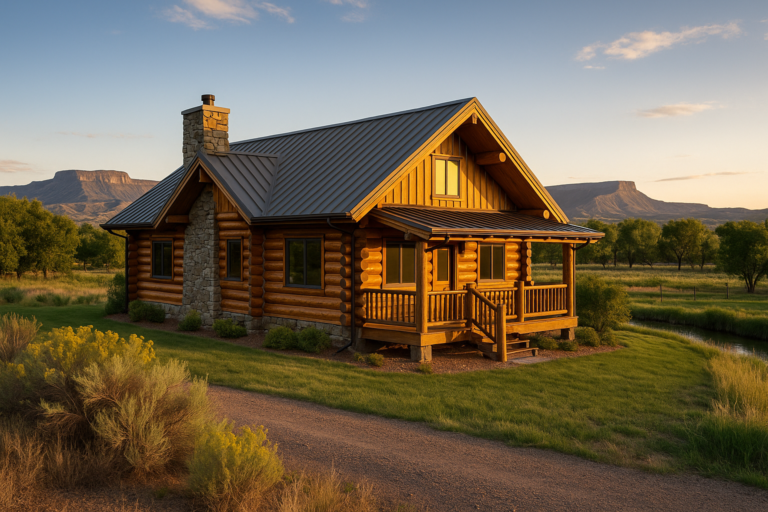
Why Delta, CO Log Homes Need a Western Slope Approach
If you own a log home in Delta, CO, you already know the Western Slope’s valley climate plays by its own rules. Dry air, high sun exposure, irrigation overspray, and frequent wind create a unique combination that pushes finishes, chinking, and caulking in ways that aren’t identical to high-country towns. Log home restoration in Delta, CO succeeds when it’s built around these local realities—especially the way south- and west-facing walls fade faster and the way dust and hard water leave their mark on lower courses.
Homes in Delta commonly use pine and fir logs, with a mix of milled D-logs and round profiles. Hand-peeled lodgepole pine is also seen around the Western Slope, sometimes blended with timber-frame details for porches and gables. Each profile weathers differently here. D-logs shed water well but can show crisp fade lines; round logs highlight checks that catch dust; hand-hewn surfaces hold finish differently than smooth milled faces. Understanding those subtleties helps us recommend prep and stain systems that last in the valley sun.
Delta’s wear patterns echo other Western Slope communities but with meaningful differences. For instance, open exposures closer to the valley floor can see more wind-carried dust than sheltered neighborhoods. If you’ve owned property near the Colorado River corridor or spent time west on Highway 50 toward Orchard City and the North Fork, you’ve likely seen similar challenges. We often compare maintenance cycles with nearby Grand Junction to illustrate how valley sun and wind accelerate fade on specific elevations.
What We Do in Delta: Full-Scope Log Restoration & Care
Our approach is practical: address UV exposure, manage moisture, seal air leaks, and keep maintenance predictable. Delta’s dry air speeds dry times, which can be helpful for scheduling, but it also means thin finishes flash off quickly if application isn’t handled correctly. The services below are tailored for valley conditions and the seasonal freeze–thaw that arrives at night in shoulder seasons.
Log Home Restoration & Media Prep
Successful restoration starts with choosing the right prep path. In Delta, we often begin with a gentle wash to remove dust films and irrigation residue, then evaluate whether selective sanding will bring the surface back to healthy wood. If the existing finish is heavily oxidized, patchy, or glazed, media blasting with corn cob or fine crushed glass can be the right call—especially on sunburned south and west walls where stain has gone flat and gray. After blasting or sanding, neutralization and pH balance are critical, followed by meticulous debris cleanup so dust and media don’t contaminate fresh coatings.
Staining & UV Protection for Valley Sun
Delta’s sun is intense, and pigment density is your friend. Lighter, low-pigment stains can look great on day one, but they typically need more frequent recoats here. We help homeowners pick hues that fit the landscape and hide dust while providing UV resilience. Oil-borne and water-borne systems can both succeed in Delta when application rates, back-brushing, and cure times are managed carefully. It’s common to plan shorter recoat cycles for the sunniest elevations and extend intervals on shaded sides, keeping the home looking consistent year-round.
Chinking, Caulking & Air Sealing
Dry air and wind mean movement. Hairline gaps show up first where logs shrink or where wind loads the chinking line. Flexible elastomeric chinking and compatible caulking can absorb movement and stop dust infiltration. We focus on adhesion to sound, clean substrates and maintain proper joint design so chinking holds through seasons of expansion and contraction. In windy pockets of the valley, reinforcing stress points around doors, windows, and gable transitions pays dividends.
Rot Repair & Log Replacement
Even in a dry climate, localized rot can occur—often near grade where splashback keeps wood damp, below roof drip lines, or under leaky gutters. Checks that trap water or sprinkler overspray on lower courses can also set the stage. Where damage is minor, epoxy consolidants and dutchman patches can stabilize the area; where decay is advanced, partial or full log replacement may be the more durable solution. We also look for systemic causes (mis-aimed sprinklers, missing kick-out flashing, or clogged gutters) so the fix holds.
Borate Treatments & Preventative Care
Borates are a smart insurance policy when used at the right time—most often after prep and before stain. Insect pressure varies across the Western Slope but borate treatments help reduce risk across the board, particularly for older finishes or where moisture has been present. In Delta, we frequently recommend targeted application on vulnerable elevations or full-house treatment during comprehensive restorations.
Delta Climate Factors that Change the Maintenance Cycle
Every log home ages, but in the valley the “where” and “how fast” are shaped by sun, wind, irrigation, and dust. Calibrating your maintenance plan to these factors prevents surprise deterioration and spreads costs in a predictable way.
Sun & UV (South/West Walls)
Expect faster fade, flatted sheen, and early dryness on the sides that face the afternoon sun. You’ll see water stop beading, color shift toward gray, and micro-cracking of older coatings first on these walls. A pigment-forward stain keeps color consistent and extends life, and selective recoating of the sunniest walls between whole-house cycles can keep the home looking even.
Dry Air, Wind, and Dust
Wind-borne dust is a Western Slope reality. Dust embeds in open checks and textured grain, making cleaning before staining essential. On windy exposures—similar to pockets around the San Juan side of the slope near Ridgway—chinking and caulking lines deserve extra attention. Proper tooling and adhesion testing help prevent dust from undermining the bond.
Irrigation & Hard Water Contact
Delta’s agricultural backbone means many homes run sprinklers through the hot season. Overspray and hard water can spot lower logs and lift weakened finishes. Re-aiming heads and adding drip edges near grade reduce splashback. A quick spring wash keeps mineral deposits from setting into the finish.
Freeze–Thaw & Storm Events
In shoulder seasons, daytime warmth and nighttime freezes can stress coatings and chink lines. Paying attention to cure windows and dry times matters. Even a good finish can struggle if applied too late in the day or on hot decks; scheduling and shade planning make the difference between a finish that levels and one that flashes off and looks patchy.
Our Process for Delta Projects: From Walkthrough to Final Coat
We approach every Delta project systematically so nothing gets missed and so the maintenance plan matches the home’s exposures and your goals for color, sheen, and budget. Here’s what that typically looks like.
Site Assessment & Moisture Checks
We begin with a careful walkthrough: check grade-to-log clearance, inspect gutters and rooflines, confirm window and door flashing, and probe suspect logs. We note where irrigation heads spray the home and where negative drainage holds water. Moisture readings in shaded or splash zones help determine whether repair, additional drying time, or ventilation changes are needed.
Sample Boards & Finish Matching
Colors behave differently under valley sun than they do on a shaded porch. We prepare sample boards and, when helpful, sample patches on inconspicuous sections of the actual home. This ensures the selected tone and sheen reflect Delta light, dust realities, and the style of the property—whether you’re aiming to highlight hand-peeled character or keep a smooth milled façade looking crisp.
Surface Prep Strategy
Prep is tailored to the home’s history: wash and brighten for light maintenance; targeted sanding or media blasting for heavy oxidation; and thorough rinse or vacuum removal of residue. Landscaping matters here—Delta gardens and orchard trees don’t appreciate grit. We protect plantings and irrigation hardware, then stage equipment to minimize dust migration during blasting or sanding.
Application & Quality Control
Whether the system is oil-borne or water-borne, thorough back-brushing ensures penetration and even coverage. We follow manufacturer spread rates, mind mil thickness, and stage the work by elevation to avoid applying products during peak heat or late-evening cold. Touch-ups and edge work at trim transitions, window sills, and fascia keep lines clean and protected.
Final Punch & Maintenance Plan
After the last coat cures, we complete a punch list: downspout aim, sprinkler adjustments, grade clearance notes, and a simple care schedule that fits your exposure and budget. We typically suggest shorter monitoring intervals for the sunny sides and a rotating recoat pattern that keeps the home uniform without over-spending.
Realistic Delta-Area Scenarios (What Your Home Might Need)
Gunnison River Corridor Cabin—Sun & Wind Exposure
A cabin situated near open valley floor with afternoon sun would likely show accelerated fade on west-facing walls and rail tops. A practical plan could include selective strip or aggressive sanding on those walls, a fresh pigmented stain system, and renewed chinking on the wind-loaded elevation to stop dust infiltration.
Adobe Hills/Benchlands—Dust & Drying Checks
Homes sited on exposed benchlands see more dust embed into open checks and rough grain. The likely fix is a careful wash, compressed-air cleaning of checks, targeted caulking, and a stain color chosen to hide inevitable dust film while providing enough pigment for UV defense.
Orchard-Adjacent Properties—Irrigation Overspray
Where sprinklers run daily, lower logs may show water spotting, darkened stain at drip lines, or algae in persistently damp shade. Expect a wash, localized sanding or media prep, and possibly a borate treatment before stain. Small gutter or downspout changes can dramatically reduce future splashback.
Maintenance cycles here often differ from higher-elevation towns. For a useful contrast, homeowners sometimes compare Delta intervals with those around Gunnison and lake-influenced areas like Blue Mesa, where cooler temps and different wind patterns change wear rates.
Stains, Chinking, and Materials That Hold Up in Delta
Stain Types & Color Choices
In the valley, semi-transparent stains with a healthy pigment load strike a good balance between showing grain and resisting UV. Maintenance-friendly mid-tones often hide dust better than very light clears. Where color matching a legacy finish matters, expect to blend tones or use a toner coat to equalize sun-faded walls.
Chinking & Sealants
Elastomeric chinking paired with compatible backer and caulk handles dry-air shrinkage and daily temperature swings. On homes with wide log movement, joint design—including proper depth-to-width ratios—matters more than product label claims. A quick visual rule: if you see micro-tears or hairline gaps along the edges, it’s time for inspection and touch-up before wind drives dust deeper.
Log Species & Profiles
Pine and fir dominate on the Western Slope. Round profiles showcase checks and rustic character; D-logs deliver tight stack lines and a traditional milled look. Hand-hewn or hand-peeled surfaces accept stain differently and can need extra back-brushing to wet out tool marks and texture. Along the I-70 corridor, similar material choices show up around Glenwood Springs, and the lessons we’ve learned there about UV and wind translate well to Delta’s exposures.
How Often Should Delta Log Homes Be Refinished?
Practical Intervals (By Exposure)
In Delta, south and west walls often benefit from a recoat every 2–4 years, depending on pigment, elevation, and shade. North and east walls may stretch to 3–5+ years when the stain system is performing. Decks, rails, and horizontal trim face faster wear and typically need a tighter cycle than vertical walls.
Signs It’s Time
- Color has flattened or shifted toward gray on sunny sides.
- Water stops beading and soaks in quickly.
- Chink or caulk shows hairline edge gaps or dust trails.
- Soft spots, dark rings, or musty odor around splash zones.
- Sticky dust film that washing doesn’t remove—often a sign of oxidized finish.
Budgeting & Phased Work
Phasing work by priority walls is common and cost-effective. Recoat the sunniest elevations first, then rotate through the remaining sides in subsequent seasons. Larger restorations—like blasting and full-system resets—are best planned for shoulder seasons when temperatures are stable and wind is calmer.
Seasonal Checklists for Delta Homeowners
Spring (Post-Irrigation Start-Up)
- Re-aim or swap sprinkler heads to avoid wetting logs.
- Wash dust and winter grime from lower courses.
- Test water beading on the sunniest wall after cleaning.
- Clear gutters and confirm downspouts discharge well away from the foundation.
Mid-Summer
- Perform a quick “UV audit” on west walls—look for flat spots and pale streaks.
- Rinse deck boards and rails to reduce heat-driven finish fatigue.
- Note any small chink gaps and schedule touch-ups before fall.
Fall (Before Freeze)
- Seal open checks likely to hold water over winter.
- Clean roof valleys and gutters ahead of storm cycles.
- Confirm grade-to-log clearance; add drip edges if needed.
- Plan stain or chink work early enough to meet cure-time windows.
Winter
- Observe ice drip patterns to identify spring fixes for splashback and staining.
- Check interior comfort around chink lines on windy days; drafty areas may need sealant tune-ups come spring.
Decks, Rails, and Trim in a Dry, Sunny Valley
Horizontal Surface Realities
Horizontal wood bakes in the sun and holds water longer after storms. In Delta’s climate, that means decks and rails generally need more frequent maintenance than walls. Higher-solids finishes or slightly darker tones can extend life, but good prep and realistic cycles are still the winning strategy. Back-brushing and respecting temperature limits keep finishes from flashing and reduce lap marks.
Windows, Sills, and Fascia
Sills and fascia take a beating in the valley sun. If you see hairline checks or a chalky surface, a sand-and-seal tune-up ahead of the main recoat can prevent deeper damage. At trim transitions, clean lines and sealed edges stop wind-driven dust from settling into weak spots and keep water from wicking behind boards.
While Delta’s climate is distinct, some lessons carry over from nearby mountain and canyon towns. For example, deck and trim stress in ice-prone zones around Ouray can highlight what freeze–thaw does to edges and fasteners—insight that helps us preempt similar issues on the Western Slope when winter snaps arrive.
Wildfire Readiness for Log Homes Near Delta
Defensible Space Basics for Log Structures
Delta properties benefit from a simple defensible space routine: maintain clearances around the home, keep vegetation trimmed, and remove fine fuels beneath decks. Ember-resistant vent screens, clean roof valleys, and clear gutters reduce ignition points during windy, smoky weather.
Finish & Sealant Choices That Help
Keeping checks sealed and finishes maintained won’t make logs fireproof, but it can reduce ember catch points and help the exterior shed debris. A well-maintained finish also makes post-event cleanup faster and less abrasive to the wood.
What to Inspect After a Windy, Smoky Day
- Chinking lines and caulk edges for dust and ash trails that signal movement.
- Soffits, gable ends, and vent screens for accumulation.
- Deck board gaps and rail tops for embedded ash that should be rinsed before it bonds to the finish.
FAQ: Delta, CO Log Home Care
How do I know whether I need blasting or just sanding?
If stain is lightly oxidized and still bonded, sanding may restore profile and color. If it’s patchy, glossy in places but flaking in others, or darkened with embedded dust, selective blasting is often more efficient and yields a more uniform base.
Will a darker stain hold up longer in Delta’s sun?
Generally, yes—more pigment equals better UV resistance. That said, extremely dark colors can run hotter. We aim for tones that balance UV protection, heat absorption, and your design goals.
How often should chinking be inspected in dry climates?
Give it a quick look every spring and fall. In Delta’s wind, small edge separations can appear suddenly. Touch-ups are easier and cheaper than waiting for large gaps.
Can you match an older finish that’s faded on one side?
Usually. We sample on the faded elevation and tune tone and opacity to blend with the shaded sides. Sometimes the best result comes from refreshing all elevations to a unified color with staggered timing.
What’s the best time of year to schedule restoration in Delta?
Shoulder seasons (late spring and early fall) are ideal for temperature windows and calmer wind. Summer works too with early starts and careful staging to avoid peak heat.
Will borate treatments change the color of my logs?
No. Borates are colorless and applied before stain. They don’t alter tone when used as directed.
Ready to Plan Your Delta Log Home Project?
If your Delta log home is fading, dusty, or showing early wear on the sunny sides, there’s a straightforward, valley-smart plan that will bring it back and keep it there. Review your exposures, choose a pigment-forward finish, and tackle chinking and caulking before gaps grow. When you’re ready, scroll to the bottom of this page to connect with Pencil Log Pros for a site visit and a maintenance plan built for Delta’s sun, wind, and irrigation reality.