
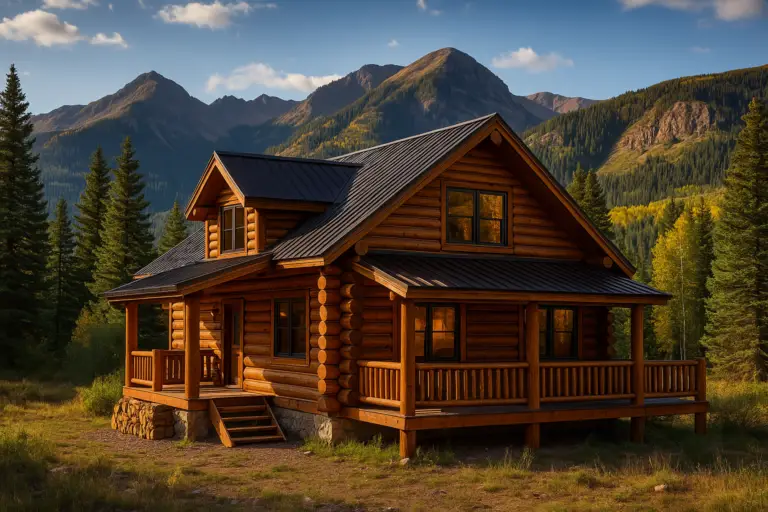








Tucked into the San Juan Mountains along Highway 145, Rico sits in true high-country terrain. Long winters, deep snow, and cool summers are part of everyday life here. That same alpine weather that makes Rico such a “slice of paradise” for skiers, hunters, and hikers can be harsh on log homes and cabins.
Whether you own a historic cabin close to Main Street, a small place tucked in the trees above town, or a newer timber home along the Dolores River, the logs that hold up your home are constantly working against sun, snow, and moisture. Keeping those logs solid, dry, and protected is what log home restoration and maintenance in Rico is all about.
Pencil Log Pros serves mountain towns and small communities across southwest Colorado, so the combination of elevation, snowpack, and remote access around Rico is familiar territory. The goal is simple: help your log home handle the weather here so you can focus on enjoying it.
Rico’s Alpine Climate and What It Means for Log Homes
Rico sits at a high elevation in the San Juan range, which means:
- Long, cold winters with frequent snow and wind
- Short growing seasons and cool, often stormy summers
- Intense high-elevation sun, even on days that don’t feel hot
- Regular freeze–thaw cycles in the shoulder seasons
For log homes, that translates into severe wear and tear. Snow sits on decks, railings, and lower walls for months. Meltwater runs down logs and soaks into checks and end grain. UV rays pound the south- and west-facing walls, breaking down stain faster than many owners expect. If you’ve owned a place in Rico or up the road in Telluride, you’ve probably seen stain go flat, and logs turn gray more quickly than they would on the Front Range or lower-elevation towns.
Typical Log and Timber Styles Around Rico
Around Rico and nearby San Juan communities, you’ll see a mix of:
- Older, square-hewn or hand-hewn logs on historic or historic-style cabins
- Round milled logs on more recent homes and vacation cabins
- Hand-peeled lodgepole pine or spruce logs on custom mountain homes and lodges
- D-log or “flat inside, round outside” profiles on modern cabins
Each style behaves a little differently. Wide, flat surfaces on square-hewn logs can hold more snow and standing water. Rounded profiles shed water better but expose more surface area to the sun. D-logs may trap snow and water along horizontal lines if they aren’t sealed and detailed correctly.
A good restoration plan for a Rico home always starts with the basics: what kind of logs you have, how they were originally finished, and how the house sits in relation to sun, wind, and snow.
How Rico’s Weather Wears on Your Log Cabin
Heavy Snow, Meltwater, and Moisture Exposure
In a place like Rico, snow is a given. Rooflines shed snow onto decks, railings, and sometimes directly against log walls. Snow drifts pile up along the north side of the house and in shaded corners. As it melts, that water:
- Soaks the bottom courses of logs and sill areas
- Splashes mud and water up from the ground
- Collects around posts and footings for porches and decks
Over time, lower logs often show the most damage: darker stain, mildew, soft spots near grade, and peeling finish where water has repeatedly soaked and then dried. Cabins near the Dolores River or along seasonal creeks also see extra moisture from humidity, splash-back, and rising mist, especially in spring and during monsoon season.
High-Elevation Sun and Wind
The sun at Rico’s elevation is stronger than it feels. Even on cool days, UV radiation breaks down clear coats and pigments in stain. The result:
- Graying or yellowing logs
- Flat, chalky stain instead of a rich, even color
- Hairline checks and raised grain where the surface has dried out
Wind makes this worse by driving snow and rain into checks, gaps between logs, and corners. South- and west-facing walls take the brunt of both sun and wind, so they often fail first. It’s common in Rico, as well as in ski towns like Mountain Village, to see one or two walls that look significantly more tired than the rest of the house.
Freeze–Thaw and Temperature Swings
During shoulder seasons, Rico can see freezing nights and warmer days in quick succession. Water in checks, joints, and small gaps expands and contracts as it freezes and thaws. Over time, that movement:
- Widens checks and opens gaps around windows and doors
- Breaks the bond between caulking or chinking and the logs
- Can lead to drafts, higher heating bills, and more water intrusion
An effective log home maintenance plan in Rico doesn’t just focus on color. It also focuses on sealing, chinking, and preventing water from getting into the log structure in the first place.
Log Home Restoration Services in Rico, CO
Every log home has a different story. Some have been regularly maintained but are ready for a tune-up. Others have multiple layers of old stain or even peeling paint that’s trapping moisture. The right restoration approach depends on what your Rico cabin is facing right now.
Complete Exterior Log Home Restoration
A full restoration is often the best option when:
- Stain is peeling or flaking on more than one wall
- Logs are uneven in color and heavily weathered
- There are signs of previous quick-fix coatings, including paint
A typical full log home restoration process would include:
- Thorough washing to remove surface dirt, pollen, and loose material
- Media blasting or sanding to strip failing finishes back to sound wood
- Applying preservatives or borate treatments where appropriate to protect against insects and decay
- Applying a high-quality stain system matched to Rico’s conditions, in multiple thin, even coats
- Final detailing around windows, doors, and trim for a clean, consistent appearance
The goal is not just a fresh look, but a solid base that can be easily maintained in the years ahead.
Spot Repairs, Touch-Ups, and Problem Walls
Sometimes a Rico cabin doesn’t need the full treatment. Maybe only the west wall took a beating from the afternoon sun. Maybe the deck railings failed before the main house. In those cases, focused work on problem areas can extend the life of the existing finish.
Spot repairs and touch-ups may include:
- Localized stripping or sanding on a single wall
- Feathering a new stain into the older coating for a better blend
- Extra sealing on log ends, corner notches, and checks
There are limits, though. If most of the house is grayed or peeling, a patchwork approach won’t last long. It’s often more cost-effective in the long run to reset the entire finish system and start fresh.
Log Repair, Rot Mitigation, and Replacement
In Rico’s wet, snowy environment, it’s common for trouble to start at the bottom:
- Logs close to grade
- Deck posts and stair stringers
- Log ends under leaking gutters or roof valleys
When soft, punky, or discolored wood is found, options might include:
- Removing decayed material and using epoxy consolidants and fillers where structurally appropriate
- Partial log replacement for localized damage
- Full log or post replacement when structural integrity is compromised
Any repair plan should also address the cause of the problem—drainage, snow shedding, gutter design, or finish failure—so that the same spot doesn’t fail again in a few seasons.
Staining, Sealing, and Chinking Built for San Juan Mountain Conditions
Choosing the Right Stain for Rico’s High UV and Snow
Not every stain is suited for high-elevation use. In Rico, a good product needs to withstand intense UV, deep cold, moisture, and large temperature swings. The right system is usually:
- Designed for log homes, not just generic exterior siding or deck use
- Applied as part of a complete system, including primers and clear topcoats where specified
- Installed in thin, controlled coats so it can move with the logs and be maintained later
Color matters too. Darker tones absorb more heat and can wear differently than lighter shades. Many owners in Rico choose colors that echo local timber and historic mining-town character, similar to the rich wood tones seen in places like Silverton.
Log Sealing, Chinking, and Caulking
Stain alone can’t keep water and air out of a log wall. Sealing and chinking are just as important. A well-sealed Rico cabin typically includes:
- Flexible chinking between courses where gaps exist
- Quality caulking around windows, doors, and trim joints
- Sealed checks on exposed faces, especially those that run inward or toward the end grain
Good modern chinking and sealants are designed to stretch and compress as logs move with moisture and temperature. That flexibility is key in an alpine climate, where logs can see both freezing cold and intense sun in a short span of time.
Protecting Decks, Rails, and Exterior Trim
Decks and railings in Rico get a workout: ski gear, firewood, melting snow, and constant sun. They usually need more frequent attention than the main walls. A smart plan includes:
- Choosing deck finishes suited for regular re-coating
- Paying extra attention to horizontal surfaces like rail caps
- Coordinating colors so the deck complements the home’s main stain
Trim boards, fascia, and exposed beams should also be included in the inspection and maintenance cycle. These elements often fail early and, if neglected, can quietly feed water into the structure.
Maintenance Plans for Rico Log Homeowners
Annual and Seasonal Inspections
A few hours each season can prevent expensive surprises later. For a Rico log home, a basic inspection plan might look like this:
Spring: Walk the entire exterior after the snow finally pulls back.
- Look for peeling or flaking stain, especially on sunny walls
- Check for dark or damp areas near the base of the walls
- Inspect deck posts and railings for soft spots or loose fasteners
Late Summer or Early Fall: Before the next round of storms and snow:
- Make sure gutters, downspouts, and splash blocks are in good shape
- Look for open checks or gaps at corners and log ends
- Confirm that chinking and caulk are intact and adhering well
If you’re not in Rico year-round, taking clear photos during each visit and comparing them over time is a simple way to spot changes.
Regular Washing and Gentle Cleaning
Road dust from Highway 145, wood smoke, pollen, and general grime all shorten the life of your finish. A gentle wash every year or two:
- Removes contaminants that hold moisture against the wood
- Helps prevent mildew and dark staining
- Makes it easier to see where the stain is thinning or failing
Cleaning should be done with a low-pressure approach and products appropriate for finished wood. High-pressure washing can damage soft fibers, raise the grain, and drive water into places it doesn’t belong.
When It’s Time to Restain in Rico
In a climate like Rico’s, even a good stain system has a limited life. Common signs you’re due for maintenance include:
- Color that looks dull, faded, or uneven
- Water no longer beading up on the surface during a light rain
- Small bare patches where wood is exposed
High-exposure walls may need light maintenance coats more frequently than sheltered sides. It’s better to address these early than to wait until large areas are bare and a full strip becomes necessary.
Common Log Home Scenarios Around Rico
Historic-Style Cabins Near Downtown Rico
Many cabins in and around town are built to echo the mining-era character of the area. A 30–40-year-old “historic style” cabin near the center of Rico might have:
- Hand-hewn or square logs
- Multiple layers of aging stain in slightly different colors
- Chinking that has been patched in spots but not fully updated
A cabin like this would probably benefit from a careful plan to remove failing coatings without over-sanding the character out of the logs, followed by new chinking and a color that fits the home’s style and surroundings.
Riverside Cabins Along the Dolores River
Cabins along rivers or near creeks tend to be more humid. Lower logs and posts are at higher risk of decay, especially where snow piles up or water splashes regularly.
A realistic approach for a place like this might include extra attention to drainage, more frequent inspections of lower logs, and finishes or trim details that help shed water away from the structure.
Remote, Off-Grid Cabins Up the Surrounding Forest Roads
Rico’s back roads and forest access areas are dotted with off-grid cabins and small seasonal homes. Restoration work on these properties can be shaped by:
- Narrow, steep roads limit equipment size
- Short weather windows for exterior work
- Owner availability, especially if they live out of state
Planning—often months in advance—is key. That’s equally true for cabins around Rico and other remote San Juan spots such as Ouray, where access and timing can change quickly with weather.
Working on Remote & High-Elevation Properties Near Rico
Access, Mobilization, and Weather Windows
Rico’s setting is part of its charm, but it also adds complexity to any project. When thinking about restoration work, it’s important to consider:
- How and when crews and materials can reach your property
- Where equipment and supplies can be staged without damaging driveways or vegetation
- How quickly storms can roll through and change the schedule
Coordination is essential for owners who aren’t in Rico full-time. Clear communication, shared photos, and realistic timelines help keep projects on track even when the weather doesn’t fully cooperate.
Protecting the Surrounding Forest and River
Log home restoration in the San Juan Mountains must always respect the environment. Around Rico, that means taking care near the Dolores River, creeks, and forested slopes. A thoughtful approach can include:
- Containment of blasting media or sanding dust
- Careful handling and disposal of wash water and cleaning solutions
- Minimizing noise and disruption in the small-town, high-country setting
The aim is to protect the health of your logs while also protecting the land and water that make the Rico area so special.
Our Log Home Restoration Process for Rico, CO Clients
Initial Conversation and On-Site Assessment
Every project starts with a conversation. For a Rico log home, a typical first step might include:
- Discussing the age and construction style of your cabin
- Reviewing any known issues, past repairs, or problem areas
- Looking at photos or, when possible, walking the property in person
During an on-site visit, attention is paid to sun exposure, drainage, snow shedding, and the condition of stain, chinking, and sealants.
Detailed Scope, Timeline, and Budget
Once the condition of your home is understood, a detailed plan is laid out:
- The specific preparation methods to be used
- The products and stain systems recommended
- The order in which different areas will be tackled
- Approximate start and finish windows, recognizing Rico’s changeable weather
For owners who split time between Rico and other places, communication is often handled by email, calls, and shared photo updates, similar to how projects are managed in regional hubs like Ridgway and other San Juan communities.
Careful Execution and Final Walk-Through
During on-site work, the focus stays on:
- Protecting landscaping, driveways, and neighboring properties
- Keeping the site organized and safe
- Following manufacturer guidelines for all products
When the project wraps up, a final walk-through—either in person or via photos and video if you’re out of town—confirms details and addresses any remaining questions. You’ll also receive guidance on how to care for the finish in Rico’s specific climate, and what to watch for in the coming years.
How Rico Compares to Other San Juan Mountain Log Home Areas
Similarities with Nearby High-Country Towns
From a log home perspective, Rico has a lot in common with other high-country communities in the San Juans. Towns like Telluride, Mountain Village, and Silverton all deal with:
- Deep snow and long winters
- Serious high-elevation sun exposure
- Short exterior work seasons
The same principles that protect logs in those ski and alpine towns apply in Rico: solid preparation, quality stain systems, good sealing, and a consistent maintenance schedule.
What Makes Rico Unique
What sets Rico apart is its smaller size, quieter pace, and strong historic character. Instead of large developments and dense clusters of vacation homes, you see:
- Individual cabins and small clusters of homes are spread along the valley
- A mix of full-time residents, seasonal homeowners, and off-grid cabins
- Properties that sometimes have limited access or older infrastructure
These factors can change how restoration work is scheduled, how access is handled, and how communication is set up. The underlying log home science is the same, but the approach is tuned to Rico’s particular lifestyle and layout.
Frequently Asked Questions from Rico Log Homeowners
How Often Should I Restain My Rico Log Home?
There’s no single answer, but in a high-elevation environment like Rico, many homes need a maintenance coat every few years on their most exposed walls. Shaded sides may go longer. The exact interval depends on:
- Product type and quality
- Color and transparency
- Sun exposure and wind
- How regularly the home is cleaned
The key is to act when the finish is beginning to dull, not after large areas of bare wood are exposed.
Can You Work on My Cabin If I’m Not in Town?
Many Rico cabins are owned by owners who live elsewhere most of the year. It’s common to handle scheduling, approvals, and updates remotely. That typically means:
- Reviewing photos and details over email or video calls
- Agreeing on access arrangements like lockboxes or local caretakers
- Sending progress pictures and updates throughout the job
You don’t have to be physically present in Rico for your log home to be properly restored or maintained.
What If My Logs Already Have Multiple Old Coats of Stain or Paint?
Layer after layer of stain—or a layer of paint—can make it harder for new coatings to bond and can trap moisture. In many cases, the long-term solution is to remove those layers back to sound wood. That might be done with media blasting, sanding, or a combination, depending on the situation.
It’s not always possible to restore a painted log home to a brand-new-log look. However, a careful restoration can still significantly improve appearance and performance and make future maintenance easier.
Do You Work Through the Winter in Rico?
Cold temperatures and snow limit what can be done outside in winter. Most exterior stain and chinking work requires specific temperature and moisture conditions that aren’t reliable in the middle of a Rico winter.
However, winter can be a good time to:
- Plan projects for the coming season
- Address interior log touch-ups or minor repairs
- Review photos and develop a long-term maintenance plan
Preparing Your Rico Log Home for the Next Season
Simple Steps Homeowners Can Take This Month
No matter what time of year you’re reading this, there are usually a few simple things you can do right now:
- Walk around your cabin and look closely at the stain, especially on sunny walls
- Check log ends and corners for dark or damp spots
- Look at deck posts and railings for early signs of rot or looseness
- Take clear, well-lit photos of any areas that concern you
When to Call in a Log Home Specialist
It’s time to talk to a log home specialist if you notice:
- Large sheets of stain peeling away from the wood
- Soft spots in logs or posts when you press with a screwdriver
- Persistent dark stains that don’t clean off
- Gaps in chinking or caulk that let in drafts or water
In an environment as demanding as Rico’s, these issues rarely resolve on their own. Addressing them early can save both time and money.
Call to Action for Rico, CO Homeowners
Owning a log home in Rico means living with real mountain weather, and that weather will always test your cabin. The good news is that with the correct restoration, products, and maintenance, your logs can stand up to the snow, sun, and seasons for many years to come.
If you’re looking at your Rico cabin and wondering what it needs next—whether it’s a complete restoration, a fresh coat of stain, or just an expert set of eyes—gather a few photos and a short description of your home. Then scroll to the bottom of this page to connect with Pencil Log Pros. From there, you can start a conversation, get clear recommendations, and plan the best way to protect your log home in Rico, CO.