
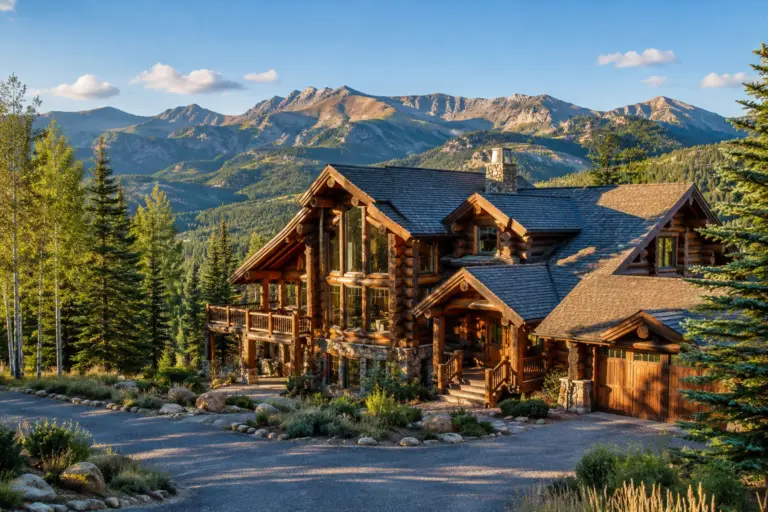








Mountain homes in Breckenridge, Colorado, live a tougher life. At roughly high-country elevation, sunlight feels closer, storms arrive fast, and freeze–thaw cycles work every seam. A log home that looks perfectly fine at a lower altitude can lose its color and weather protection much faster in the Tenmile Range. This page explains how we approach log home restoration, staining, chinking, and repairs for Breckenridge’s alpine conditions so your place keeps its warm, timber character while staying tight, dry, and durable through long winters.
Whether your cabin sits above the Blue River in open sun or tucks into the trees near a ski run, the goals are the same: stop moisture, block UV, and choose finishes and sealants that flex with daily temperature swings. The right prep and system make maintenance predictable, help the wood look natural, and keep energy bills in check by eliminating drafts. Below you’ll find practical guidance built around Breckenridge weather, common local log species, and the realities of staging work at elevation.
Why Breckenridge’s Alpine Climate Demands a Different Approach
High-elevation UV: South- and west-facing walls can fade quickly at altitude. Transparent and semi-transparent finishes that look great on day one can thin out early if the base prep or coats aren’t built for this kind of sun. Elevated UV also breaks down older film-forming coatings, causing them to peel rather than wear gracefully.
Breckenridge, CO Freeze–thaw cycles: During shoulder seasons, temperatures may swing below and above freezing in a single day. Checks (natural cracks) open and close, seals flex, and anything brittle fails. That’s why flexible, elastic chinking and compatible backer are essential around corners, window bucks, and log-to-trim joints.
Wind-driven snow and meltwater: When winds sweep down the Tenmile, snow rides into tiny gaps, and spring melt pushes water along checks and joints. Breathable, water-shedding stains and quality detail work—especially where logs meet stone, metal roofs, and decks—keep water out without trapping vapor.
Dry air and fast weather shifts: The air is typically drier at elevation, which helps finishes cure—but fast-moving fronts and afternoon showers can cut a perfect morning short. We schedule carefully, watching shade lines, dew points, and nighttime lows so cure times are met and coatings don’t blush or wash off. The same weather awareness applies in other ultra-high towns; for example, what we recommend for ultra-high-elevation homes in Leadville often overlaps with Breckenridge best practices.
Common Log Types & Local Materials We See Near Breckenridge, CO
Breckenridge log homes are often built with regional species and profiles that have distinct maintenance needs:
- Lodgepole pine & Engelmann spruce: Both are common in Rocky Mountain builds. Density, grain orientation, and milling affect how stains penetrate and how often re-coats are needed. Pine often accepts color evenly once properly prepped; spruce varies with grain and can benefit from test panels.
- Round, hand-peeled logs: The natural texture helps coatings bite but also creates micro-shadows where snow and dust can settle. Prep must clean the pores without tearing fibers.
- D-log and milled profiles: Flat interiors with rounded exteriors look clean but introduce horizontal ledges where meltwater and dust rest. Those ledges need special attention for chinking and drainage.
- Hand-hewn or square logs: Textured faces showcase the tool marks we all love, but aggressive sanding can mute that character. Gentle blasting or careful sanding maintains the look while prepping for stain.
Historic-style cabins around Twin Lakes often share these materials and textures, so we apply similar prep-and-finish logic to preserve the hand-worked feel while improving water shedding.
Our Breckenridge Services (What We Do & When We Recommend Them)
Complete Log Home Restoration (Strip, Prep, Stain/Finish)
When coatings are patchy, darkened, or peeling, spot fixes may not hold. A complete reset removes failing layers, evens color, and establishes a durable base system. We select between media blasting (corn cob or similar) and sanding, depending on the wood condition and desired texture. After prep, we clean dust, evaluate moisture levels, and apply test sections before staining the field. This approach resets maintenance expectations and avoids building more coats over a compromised surface.
Staining & Clear/Translucent Finishes Built for UV at Elevation
Finishes for Breckenridge must balance three things: UV resistance, breathability, and a natural look. Two- or three-coat systems with maintenance-friendly binders tend to perform best on south and west elevations. North walls age differently, so we plan maintenance cycles by aspect. Test panels in true alpine light—morning and mid-afternoon—help dial tone before the first full coat.
Chinking & Caulking (Sealing Out Drafts, Snow, and Water)
Chinking and caulking are your home’s flexible shields. We match formulas to joint width and expected movement, using proper backer to control depth. Critical locations include corner notches, window and door perimeters, log-to-stone transitions, and penetrations. We blend texture and color so the seal fades into the architecture while working hard through winter. Annual checks catch small separations early, especially after big temperature swings.
Rot Repair & Log Replacement
Moisture finds weak spots—splash zones near grade, low rooflines where snow piles, and deck intersections. If wood has softened, we assess whether to stabilize with consolidants and borate treatment or to remove and replace sections with proper scarf joints. Replacement stock is shaped to match the profile and grain of the existing logs, then toned so the repair is visually quiet and structurally sound.
Media Blasting & Surface Prep
Blasting is often the fastest way to remove gray UV-burned fibers and old finish without grading down the log faces. We control media size and pressure to protect the wood, then follow with targeted sanding where needed to keep fibers layed down. Containment and cleanup are part of the plan to protect landscaping and nearby structures in tight mountain neighborhoods.
Borate Treatments & Insect Prevention
Borate helps deter decay and wood-destroying insects. We typically apply borate after stripping and before staining so it can diffuse into the fibers. In select locations—like checks exposed to persistent meltwater—we may add borate rods or recommend planned re-treatment intervals. We also distinguish harmless surface checks from true insect activity so you only treat what needs it.
Breckenridge, CO Deck & Railing Refinishing
Horizontal surfaces carry more snow, see shoveling abrasion, and collect meltwater. We favor breathable deck systems and build in traction where it makes sense—especially at entries and hot-tub paths. Techniques we use for snow-heavy corridors in places like Winter Park adapt well to Breckenridge decks: keep coatings thin enough to move, protect edge grain, and plan for periodic refreshes that avoid full-strip cycles.
Annual Maintenance Plans
Staying ahead of the curve costs less than catching up. A practical plan combines a spring post-snow review, a late-summer UV check, and a quick fall pass to button up before freeze. We document touch-ups by elevation and aspect so you can budget and schedule confidently, even if you’re not on site year-round.
Our Process: From Site Visit to Final Walkthrough
Site visit & assessment: We review exposure, overhangs, grade, sprinklers, deck-to-log intersections, and window/trim details. Moisture readings inform what’s possible within weather windows. If a coating is borderline, we test a hidden section to see how it responds to cleaning or stripping.
Scope & sequencing: Repairs (rot, replacements) and sealing (chinking/caulk) happen before staining so the finish ties everything together. We plan access for steep drives, limited parking, or scaffolding needs common in ski neighborhoods.
Protection & containment: Landscaping covers, dust containment, and careful cleanup keep the site tidy. Gutters, metal roofs, stonework, and glass are masked or shielded so blasting and coatings stay where they belong.
Sample panels & tone selection: Alpine light changes tone perception. We apply sample panels on sunny and shaded walls, review in morning and afternoon, and confirm sheen so you know exactly what to expect.
Execution & communication: Prep, stain/finish, detail sealing, and punch list are documented with photos if you’re away. We coordinate with property managers for access and deliveries—common for second homes.
Final walkthrough & care plan: We explain what to watch after big storms, how to spot early wear on high-UV elevations, and when to call for a touch-up visit instead of waiting for a full re-coat.
Timing Your Project Around Breckenridge Weather
Shoulder seasons typically offer the best blend of temperature and humidity, but we work within the windows the mountain gives us. Nighttime lows matter as much as daytime highs for cure. If frost is likely overnight, we adjust start times, wall sequence, and product selection accordingly. Afternoon showers are common, so we prioritize sun-facing walls early and save shaded or protected elevations for later in the day.
Wind is another factor. Open ridgelines behave differently than sheltered lots near tree cover; staging, masking, and even media choice change accordingly. Homeowners on the south side of the pass see similar gusty conditions to wind-exposed properties toward Fairplay, so we plan containment and schedule coats to beat the breeze.
Cost Drivers & Smart Ways to Save
- Access & staging: Steep drives, narrow roads, or limited parking increase time for material handling and scaffold setup.
- Surface condition: Gray, sun-burned wood cleans up faster than failing film finishes that require full removal. Honest assessments help choose between sanding and blasting.
- Detail density: Dormers, railings, many corners, and log-to-stone transitions add labor. Clean design lines cost less to maintain than ornate trim with many penetrations.
- Aspect & exposure: Heavily sun-baked elevations need more frequent touch-ups; budgeting for quick annual passes often prevents larger, more expensive resets.
- Combine scopes: Grouping chinking repairs with scheduled re-coats, or addressing deck rails with wall maintenance, reduces mobilization costs and keeps finishes aging together.
Big-picture savings come from consistency. A small, planned touch-up on the south wall every year or two usually outperforms waiting five years and paying for a whole-house rescue.
Realistic Local Project Scenarios (What Your Breckenridge, CO Log Home Might Need)
South-facing chalet near an open slope: UV stress tends to appear as dry-looking patches and lighter color on the upper courses. The likely fix would include a gentle clean, targeted sanding where fibers are raised, spot chinking at widened checks, and a tone-matched maintenance coat on the sun sides to align aging with the other elevations.
Cabin tucked in the trees with persistent shade: North walls and shaded decks can collect moisture, which can encourage surface mildew or algae. A low-pressure clean, careful dry-down, and a breathable stain with mildewcide can reset the surface. Light color adjustments help even out the look without forcing a full strip.
Ridge-exposed home with wind-driven snow: These homes benefit from meticulous sealing at gable ends, window trim, and around roof-to-log intersections. A thorough chinking and caulking pass followed by a durable finish coat helps resist snow blown under overhangs and the sideways rain of summer storms.
Historic-style hand-hewn cabin: Texture is the star here. Instead of heavy sanding, media blasting at controlled pressure preserves the hand-hewn character. A low-sheen, translucent finish keeps the historic feel while adding UV protection.
Homeowner Maintenance Checklist for the Breckenridge High Country
- Spring (post-snow): Walk the perimeter and look for darkened spots near grade, open checks facing up, and hairline gaps at trim. Clear debris away from the base courses and splash zones.
- Mid-summer (UV review): Inspect south and west elevations at midday. If color looks thin or dry, plan a maintenance coat before fall.
- Fall (button-up): Re-seal small gaps, touch up high-UV areas, and confirm gutters and downspouts move water well away from logs. Protect deck edges likely to see snow shovel traffic.
- After big storms: Check for wind-driven snow in corners and around windows. Wipe and dry where needed; call for an inspection if you see staining that wasn’t there before.
- Sprinklers & irrigation: Keep water off logs. Adjust head angles and timing to avoid daily wetting of lower courses.
Frequently Asked Questions (Breckenridge-Specific)
How often should I re-coat at this elevation?
It depends on exposure and system, but many south- and west-facing elevations benefit from quick touch-ups every 1–2 years, with larger passes on the whole home on a longer cycle. North walls typically go longer between coats.
Can you work if nighttime temps dip near freezing?
Yes—within reason. We schedule coatings to cure within the product’s window and sequence walls so fresh coats aren’t exposed to frost. If a cold snap is forecast, we pause or shift tasks to sealing and prep.
Do you offer sample panels to choose a color in Alpine Light?
Yes. Test panels on your actual walls, viewed morning and afternoon, give the most accurate read at altitude.
What’s the difference between chinking and caulking, and which do I need?
Chinking spans larger joints and remains elastic over wide movement; caulk handles smaller gaps. Most Breckenridge homes use both—chinking between courses and targeted caulk around trim and penetrations.
Will media blasting damage my logs or raise too much fiber?
Used correctly, blasting removes failed finish and gray fibers while protecting the wood. We select media size and pressure carefully, then sand selectively where fibers lift before staining.
What if you uncover hidden rot once work starts?
We document the area, explain repair options, and prioritize stopping moisture at the source. Stabilization or partial replacement can be planned without derailing the rest of the project.
Do you coordinate with property managers for second homes?
Yes. Many Breckenridge cabins are second residences; we coordinate access, protect drive surfaces, and provide status updates with photos.
How far into winter can touch-ups happen safely?
Light sealing work and controlled interior-adjacent tasks can continue later in the season, but full exterior coating windows shrink. We schedule around day length, sun angle, and overnight lows.
Where We Work Near Breckenridge
We routinely help log homeowners throughout Summit County and neighboring high-country communities. If your home sits along the Blue River corridor or backs up to the National Forest, staging and protection are part of our plan. We also work across the passes, serving nearby alpine communities like Vail when homeowners want a consistent approach for similar elevation, snow load, and UV exposure.
Ready to Protect Your Breckenridge Log Home?
If your finish is fading, chinking is separating, or the deck rails look tired after a long winter, a focused plan can get everything back on track and keep it that way. We’ll help you prioritize by exposure and budget so maintenance stays predictable and your cabin keeps its mountain character. When you’re ready, scroll to the bottom of this page to connect with Pencil Log Pros for a site visit and a practical, high-country plan.