
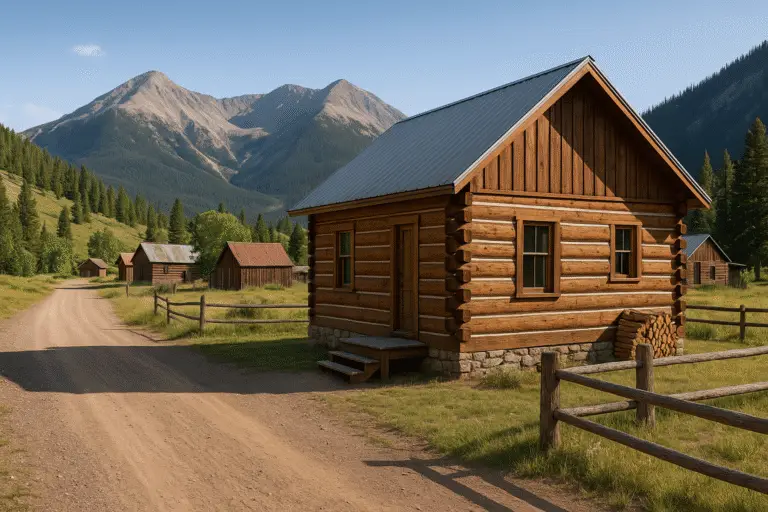












Tincup, Colorado sits near 10,000 feet. Weather swings fast. UV hits hard. Snow stacks up, melts, and refreezes. Wind moves grit against exposed walls. Your cabin lives with all of it. That changes how finishes age and how you maintain them.
- Short summers, long winters: You get a tight staining window and extended freeze–thaw cycles.
- High UV: South and west walls break down first. Pigment load matters more here than in lower valleys.
- Snow load and roof melt: Downhill corners, decks, and rails see constant wet/dry action.
- Historic structures and newer builds: Hand-hewn square logs stand next to milled round lodgepole or spruce. Each takes stain differently.
Plan frequent inspections and early touch-ups for your Tincup, CO, log home. You will spend less than if you wait for a full redo.
Tincup, CO Restoration Approach for High Country Cabins
Site Walkthrough and Moisture Check
We start outside. We map exposures and water paths. We look at grade, gutters, kickout flashing, and snow shed zones. We probe corners, window sills, posts, and deck-to-wall connections. We log each detail so the prep and product choices match your home.
- Track melt lines where metal roofs shed onto lower courses.
- Check checks. Deep ones get backer and sealant, not just stain.
- Note species. Beetle-kill pine, lodgepole, spruce, or cedar accents each need a tuned approach.
- Moisture readings guide timing. We do not trap water under finish.
Surface Prep That Holds Up in Tincup, CO Alpine Weather
Prep makes or breaks a stain system in thin air. We choose methods that get you to sound wood and a clean profile.
- Media blasting: Corn cob or walnut shell removes failed finish without soaking the logs. Good for cold shoulder seasons when washing risks ice.
- Chemical strip and wash: Works when temperatures allow. We neutralize, rinse, and let wood dry to target moisture before staining.
- Sanding: We sand to smooth raised grain and open pores. The goal is a consistent tooth for adhesion, not polished wood.
- Containment: We tent as needed near waterways and tight townsite lots. We collect media for proper disposal.
Chinking and Caulking in the Cold
Joints move more at elevation. We size backer rod correctly, then apply elastomeric sealants rated for wide temp swings. We schedule work so the cure time fits Tincup day’s highs and overnight lows.
- We clean to bare surfaces before chink or caulk.
- We bridge gaps with proper backer, not filler that collapses.
- We tool seams tight so snow and wind can’t drive water inward.
Stain Systems That Handle UV at 10,000 ft
UV cuts the life of under-pigmented finishes. We choose systems with proven performance in the high country & around Tincup, Colorado. Mid to deep tints hold longer than light tones here.
- Penetrating oils: Great for breathability and easy upkeep. Expect shorter recoat cycles on sun sides.
- Hybrid film-formers: Build more film for UV defense. Need exact prep and careful maintenance.
- Coat count: Two to three coats on south and west walls. We feather to avoid lap marks at elevation.
Rot Repair and Log Replacement for Tincup, CO Log Cabins
We fix what water started. We cut out soft sections when needed, scarf new material, and blend profiles. Where structure allows, we consolidate with epoxy, then rebuild faces for stain.
- Match hand-hewn textures on historic square logs.
- Match diameter and profile on milled round courses.
- Seal end grain and splash zones to slow future decay.
Decks, Rails, and Exterior Trim
Decks and rails in Tincup, Colorado, see sun, snow, and foot traffic. We sand, set fasteners, and finish with traction in mind. We seal posts and rail ends to keep water out. We adjust hardware that corrodes fast in this climate.
Climate Factors You Should Plan Around in Tincup
UV and South-Facing Walls
High UV breaks down lignin fast. Pigment protects better than clears. Plan deeper tones for sunny walls. Balance look and lifespan with sample panels first.
Snow, Ice Dams, and Splash Zones
Snow slides punish lower courses and rails. Ice dams push water behind trim. We verify kickout flashing at roof-to-wall joints and seal siding transitions. We set expectations for extra maintenance on drip lines.
Freeze–Thaw and Checking
Checks open and close daily. We seal larger checks to keep liquid water out while letting vapor breathe. We avoid rigid fillers. We leave small checks to move naturally when they do not create leak paths.
Wind and Dust
Wind-blown grit scuffs films and dulls clear coats. We wash and recoat before abrasion turns to peel. We plan windward wall cycles a season sooner than leeward walls.
Service Menu for Tincup, CO Cabins
Full Log Home Restoration
For heavy failure or mismatched past products, a full reset pays off. We strip or blast to clean wood, sand, seal checks, restain, chink/caulk, and topcoat if the system calls for it.
Maintenance Recoat and Tune-Up
When finish is dull but intact, we clean, brighten as needed, spot sand, seal targeted checks, and recoat. This keeps pigment load and UV blockers in place without the cost of a full strip.
Media Blasting (Corn Cob/Walnut)
Good control in cold months and remote sites around Taylor Park. No heavy rinse water. We still collect media and protect plantings and water.
Tincup, CO Chinking and Check Sealing
We tighten the shell, cut drafts, and control water travel. This improves comfort and protects the structure through winter.
Rot Repair and Log Replacement
We stabilize the structure, blend profiles, and set you up for future maintenance instead of repeat rot.
Deck and Rail Refinishing
We restore traction and color. We seal posts and end grain so meltwater cannot wick inside.
Local Materials and Log Styles We See in Tincup, CO & Gunnison County
Many older cabins use hand-hewn square logs with lime-based historic chinking. Newer places lean toward milled round lodgepole or spruce with modern chink. Beetle-kill pine shows blue streaks that influence stain color. Cedar accents appear on rails and trim.
- Square, hand-hewn: Textured faces take stain darker. We sample first to hit target tone.
- Milled rounds: Uniform faces show laps if rushed. We maintain wet edges, even at elevation.
- Beetle-kill pine: Blue stain shifts undertone. Mid-brown with enough pigment levels the look.
- Cedar accents: Naturally resinous. We prep to avoid blotch and secure long-term adhesion.
Projected Maintenance Schedule for Tincup, Colorado Log Homes
At Elevation with Full Sun
- Inspect every spring after snowmelt.
- Wash gently and spot seal checks that opened over winter.
- Touch up stain on south and west walls every 2–3 years.
- Full recoat every 4–6 years, based on exposure and product choice.
Shaded or Timbered Lots
- Watch slow-drying walls for mildew and darker moisture marks.
- Improve airflow by trimming brush and branches away from walls.
- Check ground clearance and splashback zones around decks and steps.
Seasonal-Use Cabins
- Pre-winter sealant check before freeze.
- Spring walkaround to log movement and check edges.
- Plan stain windows around afternoon storms and cold nights.
Access, Season, and Project Timing for Tincup, CO Log Homes
Timing is a real factor in Tincup, CO. Roads can get muddy or snowed in. Afternoon clouds roll fast. We plan to work in tight weather windows and protect what we prep.
- Power and water: We confirm site utilities or bring our own plan.
- Temperature windows: We apply products within stated ranges and watch overnight lows for cure.
- Storm backups: We stage tarps, tenting, and heat when needed to protect fresh coatings.
- Travel and hauling: Narrow roads affect blasting media delivery and waste removal. We schedule drops to match production.
What a Tincup Project Could Look Like
Historic Cabin Near the Townsite
A mining-era cabin with square logs would likely get a gentle media blast to avoid water in joints. We would sand to remove raise, install proper backer where gaps widened, then apply a tinted system with enough body to shield south walls. Historic chink gets cleaned, repaired, and color-matched. Hardware gets replaced where corrosion took hold.
Newer Log Home Toward Taylor Park
A 15-year-old lodgepole cabin with fading on two sides would benefit from targeted blast or strip on sun faces, light sanding on shaded faces, check sealing, and a two-coat restain with a deeper tint. Rails and posts get end-grain saturant. Deck boards get a traction-friendly finish for spring melt.
Lakeside or Creek-Adjacent Cabin
Lower courses near splash zones would need extra attention. We would add kickout flashing where roof water meets wall. We would seal end grain and apply a higher-build finish on the first two courses for added defense.
Tincup, CO Homeowner Checklist Before We Start
- Move firewood stacks and snow piles away from walls.
- Trim branches that rub finish.
- Mark utilities where we will tent or blast.
- Secure pets and plan site access for equipment.
- Confirm neighbor schedules if work sites share lanes.
Finish Selection Guide for Tincup, Colorado Log Homes
Color Choices That Fight UV
Mid to deep tones stretch recoat intervals. Light, clear looks fade fast at this elevation. We test on the south wall to see true UV impact before you decide.
Topcoat or No Topcoat?
Some systems need a clear top layer for body and UV blockers. Others prefer breathability. We weigh film build against movement and your maintenance habits. A clear maintenance coat can refresh without a full color pass when pigment still looks strong.
Breathability and Log Moisture
Breathable systems let vapor escape. This matters when freeze–thaw drives moisture toward the surface. We always check moisture content before coating. We do not seal wet wood.
Common Problems We Solve in Tincup, CO & the High Country
- Peeling on sunny walls: Usually from thin pigment or film stress. We reset prep and build the correct coat count.
- Drafts at old chink seams: We install proper backer and renew chink so joints stay tight through winter.
- Rot at lower courses: Often from snow banks and deck splash. We repair or replace, then protect end grain and drip lines.
- Water tracking behind trim: We add kickout flashing and reseal transitions.
- Blackened rail ends: We cut back to sound wood, treat, and seal to stop wicking.
How We Protect Your Site
Work should leave your home cleaner and tighter than we found it. We plan containment and cleanup from day one.
- Collect blast media and debris.
- Cover plantings and keep rinse water out of waterways.
- Use safe ladders, roof anchors, and snow-rated staging.
- Secure materials against wind gusts common in the afternoon.
Costs, Value, and What Drives Price
Scope drives cost more than anything. Access and finish choices matter too. We keep you informed so you can decide where to invest.
- Access: Tight roads and limited staging add time.
- Prep level: Blast vs. strip vs. sand changes labor and disposal.
- Species and profile: Hand-hewn textures take more detail work. Milled rounds need steady pace to avoid laps.
- Coat count: South and west walls often need an extra pass.
- Weather hold days: We protect prep so a storm does not force a redo.
Regular wash and recoats cost less than a full strip. Small fixes done early prevent larger repairs.
Aftercare: Keeping Your Finish Strong
- Rinse walls in spring to remove grit and road dust.
- Spot seal checks that open during summer heat.
- Watch drip lines and lower courses after big storms.
- Call for a site check if you see dulling or water marks on sun sides.
FAQs for Tincup, CO Log Cabin Owners
Can you work during shoulder season?
Yes, with the right methods. Media blasting avoids heavy wash water when nights freeze. We pick stains with cure ranges that match the forecast.
How do you handle surprise storms?
We stage tarps and tenting before we start. We only open what we can protect that day. We secure edges and keep a clean shut-down plan.
What stain lasts longest up here?
Products with strong UV inhibitors and enough pigment last longer. Mid to deep tones beat clears and pale colors on sunny walls.
Do you repair historic chinking?
Yes. We preserve sound material, install backer, and apply compatible chink. We match texture and color so the repair looks natural.
How often should I plan to recoat?
Assume 2–3 years for touch-ups on south/west faces and 4–6 years for a full recoat, depending on exposure and product choice.
Serving the High Country Around Tincup, CO
Tincup sits in the heart of Gunnison County. If your cabin is in the Taylor Park area, along Cottonwood Pass, or on backroads near the townsite, the same climate rules apply. Compare your exposure with nearby areas to plan timing and product choice. If you split time between Tincup and Crested Butte, you already know one valley can get more sun and wind than the next. Homes along the Gunnison corridor often share similar UV and dust patterns as those near Gunnison. Cabins tucked along the canyon toward Almont see shade and cold air pooling that slow dry times. Historic cabins in Pitkin often carry hand-hewn square logs and traditional chink that need careful prep. If your trips run along Highway 50 through Parlin, plan material deliveries around traffic and weather windows.
Simple Planning Timeline
- Spring: Walk the site, rinse walls, note checks, and book stain windows.
- Early Summer: Tackle south/west faces first before late-day storms build.
- Mid Summer: Finish shaded sides and decks. Add topcoat if system calls for it.
- Fall: Seal checks before freeze. Confirm snow management so piles do not sit against walls.
- Winter: Monitor interior humidity. Avoid over-humidifying which can push sap and move joints.
Product Fit at Altitude
We choose products proven in the high country. Cure windows, viscosity, and pigment load all matter at 10,000 feet. We keep a close eye on film build and recoat times because thin air and UV shorten margins.
- Stick with systems that match your maintenance style.
- Do not mix brands layer over layer without testing.
- Use deeper tints on sunny faces and slightly lighter tones on shaded faces if you want a balanced look.
Details That Extend Finish Life
- End-grain sealing: Posts, rails, and log ends soak water. We saturate these first.
- Kickout flashing: Where roof meets wall, we direct water away from logs.
- Ground clearance: Keep soil and snow away from lower courses.
- Vent and trim gaps: Small spacings let logs move without trapping water.
- Hardware: Choose fasteners and brackets that resist corrosion in this climate.
What We Look For During Final Walkthrough
- Uniform color without lap marks on round logs.
- Tight chink and caulk with correct tooling.
- Sealed checks on weather faces.
- Protected end grain and drip lines.
- Clean site and labeled touch-up kit for your next season.
When a Full Reset Makes Sense for Your Log Cabin in Tincup, CO
If you see mixed products layered over time, scattered peeling, gray wood, and heavy checking, a full reset saves money long term. We bring the home back to clean wood, repair, and apply a matched system. After that, small, regular recoats keep your place looking sharp.
When a Tune-Up Is Enough
If color is dull but intact and you only see light peel on sun faces, a tune-up wins. We wash, brighten as needed, spot sand, seal checks, and add a fresh coat. We keep pigment strong where UV hits hardest and protect lower courses before winter.
Energy and Comfort Gains From Tight Joints
Proper backer and chink reduce drafts and moisture travel. That keeps the home warmer with less strain on heating. It also protects from snow-driven wind that finds any small gap along the north and west sides.
Winterization Notes for Tincup Cabins
- Stage snow storage away from walls and rails.
- Keep roof paths clear so ice does not force water behind trim.
- Check chimney and stove pipe flashing after big wind events.
- Vent bathrooms and kitchens well to control interior moisture.
Sanding and Profile Control
Over-sanding closes pores and hurts adhesion. Under-sanding leaves raised fibers that soak unevenly. We aim for a uniform tooth. We feather edges across courses so the stain lies even in the mountain sun.
What You Can Do Between Visits
- Rinse dust a few times each summer.
- Brush snow away from lower logs when safe to do so.
- Touch up nicks on rails before weather hits them.
- Check downspouts and diverters after storms.
Deck Strategy at Elevation
Decks face the sun and snow more than walls. We recommend finishes you can refresh without a full strip. We clean, sand, and recoat on short cycles so boards do not cup or check deeply. We seal ends and post bases where meltwater lingers.
Why Pigment Depth Matters Here
At this elevation, pigment is your UV umbrella. Clear coats turn chalky and fail faster. A mid to deep tone with the right resin stays stable longer and looks consistent across mixed species like beetle-kill pine and lodgepole.
Log Replacement Matching
When we swap sections, we select matching species and cut profiles to blend with existing courses. We align growth rings and relief cuts to keep movement predictable. We seal all cuts and fastener penetrations before staining.
Communication and Scheduling
We keep you updated with daily goals and weather calls. If a storm shifts the plan, we protect the work and move to tasks that fit the conditions. You always know what we finished, what is next, and what we need from you for smooth access.
What Success Looks Like
- Even color with no shiny blotches on sun faces.
- Tight seams and sealed checks.
- Protected drip lines and end grain.
- Safe, clean site with materials removed.
- A simple maintenance plan you can follow.
Ready When You Are
You want your Tincup, CO, cabin tight, sealed, and looking right. Scroll to the bottom of this page to connect with Pencil Log Pros.