
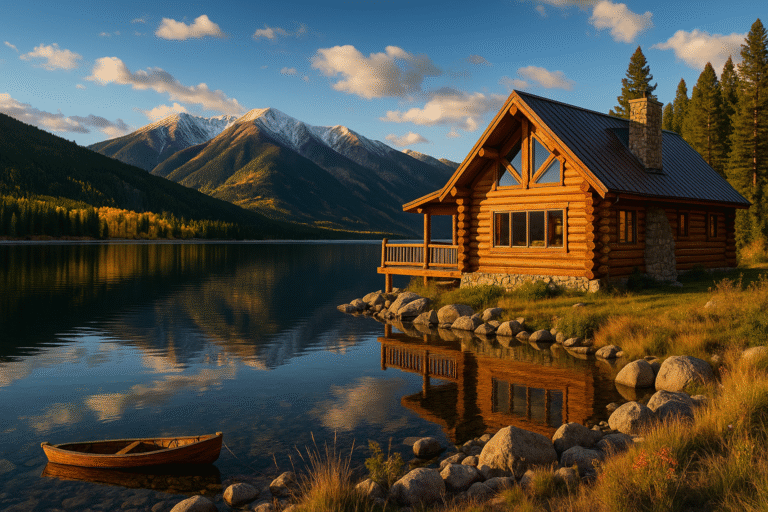
Mountain weather does not play fair with log homes in Twin Lakes, CO. High-elevation sun, quick-moving storms, and wind funneled across the water combine to fade finishes, open checks, and push moisture where it doesn’t belong. This page explains how we restore, refinish, and maintain log homes in Twin Lakes, CO with a process built for alpine conditions, lakeside exposure, and the realities of short mountain work windows.
Why Log Homes in Twin Lakes Need Specialized Care
Set against the Sawatch Range and the state’s largest glacial lakes, Twin Lakes, CO sits in true high country. Elevation means stronger UV, faster temperature swings, and frequent freeze–thaw cycles. South and west walls fade and dry sooner; north and shaded elevations stay damp longer and can darken or host biological staining. Lakeside wind can drive mist and snow sideways, so the lower courses, log ends, and deck-to-wall intersections deserve extra attention in Twin Lakes, CO.
Common local species—lodgepole pine, Engelmann spruce, and Douglas fir—respond differently to prep and finish. Hand-peeled rounds often have varied density and natural sheen that can hinder penetration unless the surface is properly profiled. Milled D-logs and square profiles reduce shadow lines but expose long grain that must be sealed consistently. In short, “one-size-fits-all” stain schedules rarely work at altitude; plans must be tailored to each wall orientation and log type found in Twin Lakes, CO.
Services We Provide in Twin Lakes & Lake County
Our service mix is designed for what mountain cabins actually face. Each recommendation begins with condition testing, moisture readings, and a look at wind and sun patterns unique to Twin Lakes, CO.
Full Strip & Refinish (Media Blasting + Sanding + Stain/Topcoat)
When coatings fail, darken, or glaze, a full reset pays off. On lakeside lots in Twin Lakes, CO, we build containment to protect landscaping and keep blasting media out of the shore zone. After blasting, we sand to control fiber raise, then apply stain and topcoat for balanced penetration and UV hold-up.
Maintenance Recoat & UV Tune-Ups
Not every home needs a strip. Many cabins in Twin Lakes, CO benefit from targeted maintenance coats—especially on sunburned south and west elevations—to rebuild pigments and refresh hydrophobic protection without overloading film build.
Chinking & Energy-Seal Caulking
Seasonal movement opens micro-gaps at corners, window bucks, and checks. In windy pockets of Twin Lakes, CO, closing these gaps cuts drafts and prevents wind-driven snow from finding its way indoors. We match bead size and elasticity to the joint, so lines move with your logs.
Log Repair & Rot Mitigation
End grain, sill logs near grade, and ledger interfaces are the usual suspects. Soft spots get probed, mapped, and addressed either with dutchman repairs or selective replacement, depending on depth and spread. Proper drip edges and end-grain sealing are critical in Twin Lakes, CO.
Borate Preservatives & Insect Deterrence
Borate treatments help deter decay and wood-ingesting insects. We focus on shaded walls, splash zones, and any area where melted snow tends to linger in Twin Lakes, CO.
Detail Prep: Hand Sanding, Media Choice, and Fiber Raise Control
Prep determines how long a finish lasts. We fine-tune media, grit, and sanding technique so stains wet-out evenly. This is especially important for hand-peeled logs common around Twin Lakes, CO.
Decks, Rails & Exterior Timbers
Horizontal surfaces soak UV and snow load. We refinish deck boards, rails, and support timbers and set a maintenance schedule that fits the short, intense summer season typical of Twin Lakes, CO.
Ice-Dam & Roofline Stain Repairs
Steep metal roofs shed snow fast, which can create tiger-striping along fascia and top courses. We clean, even out color, and rebuild protection so these areas handle the next winter better in Twin Lakes, CO.
Our High-Country Process: What to Expect
Every project in Twin Lakes, CO starts with a field assessment: finish tests, species confirmation, moisture readings, and a look at exposure patterns. We plan staging with steep grades and gravel drives in mind and consider neighbor proximity and lakeshore sensitivity. Containment is standard when stripping. We schedule work around typical afternoon gusts and pop-up storms, and we budget contingency days because mountain weather changes quickly in Twin Lakes, CO. Communication stays simple: you get a clear sequence for prep, repairs, finish, cure, and a written maintenance calendar.
We routinely compare conditions with nearby communities to align expectations. For example, sun behavior on west elevations here resembles what we see over the pass toward Vail, CO, but morning shade patterns can feel more like sheltered valley lots down toward Buena Vista, CO. That context helps us recommend the right system for Twin Lakes, CO.
Finish Systems That Last at 9,000+ Feet
Penetrating vs. Film-Forming Systems
Penetrating stains breathe and are easier to refresh, a strong match for the quick dry-out and bright sun in Twin Lakes, CO. Film-formers can look rich but demand disciplined maintenance. Your prior product history and desired appearance inform the choice.
Color Selection for UV & Landscape Fit
Light, honey tones look great out of the gate but break down faster under alpine sun. Mid-tone, iron-oxide-rich colors hold longer. We color-map your elevations so the home blends with timberline hues and lasts longer in Twin Lakes, CO.
Coat Counts & Back-Brushing
At altitude, thin, even coats with active back-brushing are non-negotiable. This anchors pigments in the fiber and reduces lap lines. The result is a finish that weathers more evenly in Twin Lakes, CO.
Maintenance Cycle by Elevation & Aspect
South and west walls generally need love sooner than east and north. We set a staggered plan so your home in Twin Lakes, CO gets targeted recoats where needed without over-applying product everywhere.
Compatible Topcoats & Future Recoats
Today’s choice should not lock you into tomorrow’s headache. We prioritize systems with known compatibility so future maintenance in Twin Lakes, CO stays efficient and affordable.
Trouble Spots We Often See Around Twin Lakes
Entry gables and upper saddle notches catch wind and sun, so they fade first and show color banding. Log ends and sill courses near grade or decks get hit by splashback and snow drift. Deck rail caps check and split without regular oiling. Chinking can shrink after dry winter spells, especially on windward corners in Twin Lakes, CO. We also watch roof edges where ice-dam drip lines create dark stripes that telegraph through clear finishes.
These patterns mirror what we encounter up the road in Leadville, CO, but lakeside wind in Twin Lakes, CO adds a twist—more sideways moisture, more attention to end-grain sealing, and careful detailing at deck ledgers.
Maintenance Plans & Seasonal Checklists
Maintenance is what separates a great-looking cabin from one that needs a full strip too soon. We tailor checklists to the rhythms of Twin Lakes, CO:
- Spring (Snowmelt): Inspect checks and caulk lines, clear debris at log-to-roof intersections, and schedule a gentle wash to remove winter grime while the finish is cool in Twin Lakes, CO.
- Summer (High UV): Touch up sunburned walls, verify chinking adhesion, and review deck fasteners. Afternoon gusts are common—plan stain windows accordingly in Twin Lakes, CO.
- Late Summer Storms: Confirm grade and downspouts keep water off sill logs; look for splashback and recede mulch from wood in Twin Lakes, CO.
- Fall (Freeze-Ready): Seal critical checks and confirm overhangs and gutters shed water effectively before cold sets in around Twin Lakes, CO.
- Winter: Keep an eye on ice forming along eaves and note any interior drafts that suggest chinking movement in Twin Lakes, CO.
Cost Factors in Twin Lakes (What Drives the Number)
Budgets reflect condition, logistics, and finish goals in Twin Lakes, CO:
- Scope & Condition: A maintenance recoat costs less than a full strip. Prior film build, darkening, or glaze push toward more prep in Twin Lakes, CO.
- Access & Logistics: Steep grades, staging areas, and containment influence time on site. Proximity to water and neighbors also factors into planning in Twin Lakes, CO.
- Surface Area & Detail: Hand-peeled textures, rail packages, and decorative timbers add labor. These details are common around the lakes.
- Finish System Choice: Penetrating systems often cost less to maintain long-term, a good fit for Twin Lakes, CO weather.
- Maintenance Outlook: A tuned schedule makes each dollar work harder and delays future strips in Twin Lakes, CO.
Frequently Asked Questions (Twin Lakes Edition)
How often should a high-elevation log home be recoated?
Expect targeted tune-ups every 2–3 years on the sunwashed sides, with full-home maintenance cycles spaced out based on exposure. We set the cadence for Twin Lakes, CO so the finish stays ahead of UV and wind.
Do you recommend blasting or sanding for failed finishes?
It depends on the coating and condition. Many heavy, darkened films require blasting plus sanding to reset the surface. For lighter wear, sanding and washing may be enough in Twin Lakes, CO. We test before committing.
What stain colors hold up best at altitude?
Mid-tone colors with strong iron-oxide pigmentation last longer. Extremely light tones look great but fade faster under alpine sun in Twin Lakes, CO.
Can you work safely near the lakes and protect landscaping?
Yes. We plan containment, tarp gardens, and control media and dust. Lakeside sensitivity is standard operating procedure in Twin Lakes, CO.
How do you handle chinking that pulls away after winter?
We assess movement, clean the joint, and reapply with the correct bead size and backer. Wind-exposed corners in Twin Lakes, CO often need elastic products with strong adhesion.
What if I have beetle-kill or mixed wood species?
Mixed species are common. We adjust prep to equalize absorption, so color reads consistent across elevations in Twin Lakes, CO.
Will a maintenance plan really delay a full strip?
Yes—if it targets the highest-wear elevations first. The goal in Twin Lakes, CO is to stay proactive where the sun is most aggressive.
How long does a project take at this elevation?
Duration depends on scope and weather windows. We build in buffer days because storms can pop up quickly in Twin Lakes, CO.
Can you address deck and rail systems during the same mobilization?
Absolutely. Combining deck work with a home recoat saves mobilizations and keeps color and sheen consistent in Twin Lakes, CO.
What’s the difference between caulk and chink lines?
Both seal gaps, but chinking is wider, textured, and designed for visible log-to-log joints. Caulking handles smaller checks and trim junctions. We specify the right product for the joint in Twin Lakes, CO.
Planning & Access Notes for Twin Lakes Homeowners
Short mountain summers require decisive planning. We stage efficiently, respect neighborhood quiet hours, and coordinate with owners who split time between the Front Range and their place in Twin Lakes, CO. Historic or legacy cabins get gentle methods and careful color matching to honor character. Noise and dust controls are standard when stripping. If you’re comparing conditions across the region, many wind and UV patterns align with experience we use from Avon, CO to Lake County, which informs our recommendations for Twin Lakes, CO.
Example Project Scenarios (Hypothetical, Realistic)
Lakeside west wall tune-up: A cabin with a sunburned west elevation would likely benefit from a targeted strip on that wall, light sanding to settle fibers, and a color-matched maintenance coat on the remaining elevations. This approach keeps the home in Twin Lakes, CO uniform without overspending.
Hand-peeled round logs with wide checks: Before topcoats, we would seal priority checks on weather-facing sides, then apply stain with aggressive back-brushing for deep penetration. That sequence helps slow water entry during freeze–thaw in Twin Lakes, CO.
Deck and rail refresh: Pairing deck oiling with a home maintenance coat reduces mobilizations and helps the cabin in Twin Lakes, CO age gracefully as a single system.
We often compare these scenarios to maintenance patterns seen down the valley in Salida, CO, then reconcile differences created by open water and higher UV that are unique to Twin Lakes, CO.
Service Area Near Twin Lakes
We regularly serve Lake County and surrounding mountain communities. If your cabin also sees time in nearby corridors, our alpine process carries over. For example, wind-scoured ridgelines behave a lot like projects off Highway 24 near Leadville, CO, while color-fade timelines can resemble west-facing homes near Vail, CO. Wherever you are, we tune the plan to the precise exposure you experience in Twin Lakes, CO.
Why This Approach Works in the High Country
It’s not just about stain; it’s about sequencing the work for altitude: respectful prep, smart color, and a maintenance cadence that targets the first signs of wear. That’s what keeps a log home in Twin Lakes, CO looking natural and protected year after year. We bring an alpine toolkit—finish tests, moisture checks, and exposure mapping—so the cabin’s age, material, and history steer the plan, not the other way around.
Next Steps
If your finish is hazy, darkened, or uneven—or if you just want a second opinion on timing—tell us about your elevation, wall orientations, and any lakeside wind you notice at your property in Twin Lakes, CO. We’ll translate that into an on-the-ground plan and a practical maintenance calendar you can actually follow in Twin Lakes, CO.
Ready to Protect Your Twin Lakes Cabin?
Your home in Twin Lakes, CO deserves a finish that’s chosen for altitude, tuned for wind, and easy to keep up. Scroll to the bottom of the page to connect with Pencil Log Pros—let’s map a restoration and maintenance plan that fits your cabin, your schedule, and the realities of mountain weather.