
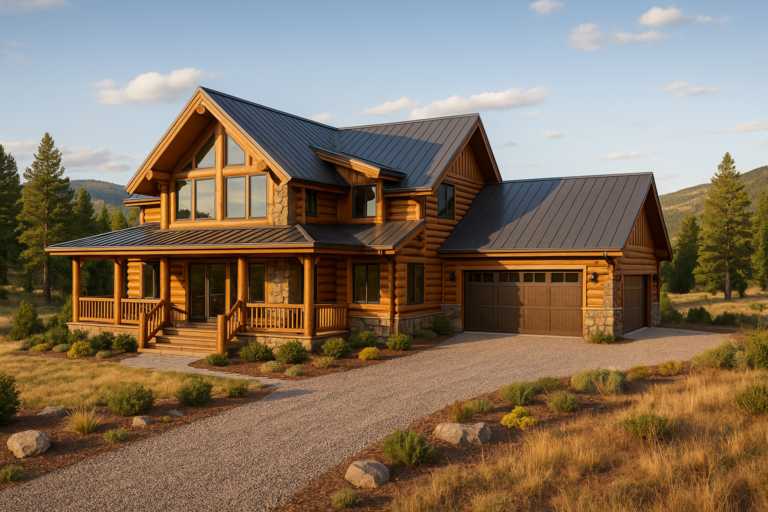
Why Log Homes Around Powderhorn, CO Need Specialized Care
Powderhorn, Colorado, sits tucked in the high country of Gunnison County, surrounded by timbered hillsides, open meadows, and views toward the Cochetopa Pass and Blue Mesa country. Many cabins here are second homes, hunting bases, or long-time family places that have seen years of alpine weather. The log homes in and around Powderhorn have a special kind of exposure: bright sun, long winters, and strong winds that hit the wood harder than lower-elevation areas.
At this elevation, the UV index stays high all summer and even on cold, clear winter days. South- and west-facing walls take the brunt of that sun. Over time, the stain breaks down, the surface turns dull and chalky, and the logs begin to gray out. That’s when moisture can work in, especially during shoulder seasons when snow melts, refreezes, and melts again.
The dry air around Powderhorn is tough on logs in a different way. As logs lose moisture, they shrink slightly and develop checks—those familiar cracks that run along the grain. Some checks are harmless, but others open up enough to let in water, air, and insects. When that happens on a wall with tired stain, it’s a recipe for long-term problems.
Many owners assume any exterior stain or paint from a big-box store will protect their cabin. The truth is, generic coatings are typically designed for conventional siding at lower elevations. Log homes here need breathable products and application techniques matched to alpine weather—products that can handle intense sun, deep cold, and daily temperature swings without peeling or trapping moisture inside the wood.
Common Log Home Problems We See in Powderhorn and the Blue Mesa Area
1. Sun-Faded South Walls and Patchy Stain
One of the most common issues you’ll see on Powderhorn cabins is uneven, patchy stain. The south and west sides, especially those overlooking open meadows or valleys, fade first. The color washes out, the finish looks blotchy, and water no longer beads on the surface. Instead, it soaks in quickly, darkening the logs when it rains.
Once the stain has broken down, UV rays and moisture work together. The wood fibers on the surface become rough, and fine checks open up. Over the years, this can lead to deeper cracks and increase the odds of rot along horizontal surfaces, log ends, and around railings.
2. Water Staining, Rot, and Insect Concerns
Powderhorn sits in real snow country, and that snow often drifts and piles against lower logs, decks, and stairways. In spring, rapid melting from metal roofs can splash mud and water onto the first couple of log courses. If the stain is weak in those zones, the repeated wetting and drying cycle can leave dark water stains or soft, punky spots in the wood.
Early rot doesn’t always look dramatic. It may appear as a slightly darker patch that feels different under hand pressure or with a screwdriver. Left alone, that soft area can expand, and insects like carpenter ants may move into damp wood. While Gunnison County cabins aren’t overrun with termites in the same way some regions are, any long-term moisture problem in wood will eventually attract something that wants to live in it.
3. Failed Chinking and Gaps from Log Movement
Many log homes in the Powderhorn area are hand-hewn or older milled systems that have had decades to settle. As logs move over time, old chinking and caulking can tear, pull away from the wood, or crumble. Small gaps form at corners, along log-to-log joints, and around windows and doors.
Those gaps don’t just let cold air in—they can pull heated air out, drive up energy costs, and create chilly rooms during snowmobile season or late fall hunting trips. In windy locations with lots of cross-bracing, chinking failures can make it feel like the cabin is hardly insulated at all.
4. Media-Blasting Damage from Past Work
Some Powderhorn-area cabins have already been stripped once, often using media blasting. When blasting is done too aggressively, it can “fur up” the wood—raising the grain and leaving a fuzzy, rough surface. That rough texture not only collects dust and pollen, but it also makes it harder to get a smooth, even stain finish later.
We often see cabins where only half the home was blasted, leaving sections with different profiles and colors. Any future restoration has to account for those previous passes so the final result looks consistent from all sides.
5. Decks, Railings, and Exterior Timbers
Decks and railings around Powderhorn cabins take heavy abuse. Elevated decks facing the valley or open slopes can see snow loads, drifting, and full sun all day. Top rails develop wide checks, and posts can crack deeply, especially where they meet footings or the deck surface.
Not every check is a problem. Many are purely cosmetic. The concern comes when a check opens upward and can hold water or snow. Those pockets stay wet longer and can eventually lead to decay or splitting. Proper inspection and targeted sealing make a big difference in how long your deck structure lasts.
Our Log Home Restoration Process for Powderhorn, CO
1. Detailed Walkthrough and Condition Assessment
Every Powderhorn property is different. Some cabins sit in the trees with filtered light, while others stand wide open on a ridge. A proper restoration starts with a complete walkthrough of the structure—exterior walls, log ends, railings, posts, trim, and visible structural members.
During an assessment, it’s common to check suspect spots with a moisture meter and light probing. That helps distinguish between simple staining and actual rot. Just as important is understanding how you use the place: Is it a full-time residence with year-round access, or a hunting cabin you visit six weeks a year? That use pattern shapes the plan for timing, access, and maintenance expectations.
2. Surface Prep: Washing, Stripping, and Media Blasting
Some log homes in Powderhorn only need a thorough wash and a maintenance coat of stain. Others, especially older cabins with multiple layers of failing coatings, may call for more aggressive prep. The right choice depends on factors such as adhesion, peeling, and the extent of discoloration in the wood.
On certain projects, media blasting may be the best way to remove old finishes and gray wood. When blasting is used, it needs to be carefully controlled and followed with sanding to smooth the surface and prepare it for staining. Surrounding landscaping, outbuildings, and drainages are protected so media doesn’t scatter into nearby creeks or downslopes toward the Blue Mesa drainage.
3. Log Repairs, Epoxy Work, and Rot Mitigation
Once the surface is clean, the wood’s true story becomes visible. Any softened or decayed areas are evaluated for repair. Often, that means removing compromised fibers, treating the remaining sound wood, and rebuilding with appropriate fillers or structural epoxies.
On logs with deeper damage, the most realistic fix might be a partial log replacement or a carefully crafted patch that blends with existing material. Where rot has been driven by chronic splash-back or poor drainage, the long-term solution includes addressing those conditions—adjusting grade, adding diverters to roof run-off, or moving irrigation and sprinklers away from log walls.
4. Chinking and Sealant for High-Country Draft Control
Modern elastomeric chinking is designed to move with the logs instead of cracking and falling out. In Powderhorn’s climate—where a single day might swing from freezing to warm sun—this flexibility is critical. Failing chinking can be cut out and replaced, or, in some cases, over-coated with compatible materials where the base is still sound.
In addition to visible chinking lines, air and moisture often sneak in around window and door bucks, under trim, and through utility penetrations. Sealing those details helps make the home more comfortable in winter and reduces the “drafty cabin” feel that many owners simply accept as normal.
5. Staining and Finishing for Alpine Sun and Snow
Once prep and repairs are complete, the stain system does the long-term work. Selecting a product that withstands high-elevation UV and Powderhorn’s dry climate is one of the most critical decisions in the process. High-quality log stains are typically applied in multiple coats and worked into the wood with back-brushing to ensure even penetration.
The choice between matte and satin finishes is partly aesthetic, but it also affects maintenance. Glossier systems can highlight surface imperfections and may show wear differently. What matters most is consistency: even coverage around the entire cabin, including log ends, railings, and less visible walls that are easy to overlook.
6. Final Walkthrough, Maintenance Plan, and Owner Education
A good restoration doesn’t end when the last coat dries. A final walkthrough checks for missed spots, runs, or thin patches. Log ends, lower courses, and high-exposure walls get extra attention.
From there, it’s important to talk honestly about maintenance. In Powderhorn’s conditions, some walls will naturally age faster than others. Setting realistic intervals and helping you know what to watch for—dull color, flat sheen, water soaking rather than beading—can keep your cabin on the “maintenance coat” schedule rather than the “full restoration” cycle.
Log Home Maintenance Tips for Powderhorn Property Owners
Seasonal Checklist for High-Country Cabins
A simple seasonal routine can add years to the life of your finish and help you catch new problems early:
- Spring: Walk the perimeter after the snow melts. Look for splash-back stains, peeling finish near the base, and logs that stayed buried under drifts.
- Summer: Inspect south and west walls during bright daylight. You’ll see where color has faded or the sheen has gone flat.
- Fall: Clear debris from gutters and downspouts, move firewood away from the cabin, and make sure soil isn’t piled against lower logs.
- Winter (when accessible): Keep an eye on snow piling against decks and lower walls, especially if you visit for snowmobiling or holidays.
How Often to Restain a Log Home in the Powderhorn Area
There’s no single schedule that fits every home. A cabin tucked in dense trees may go longer between stain coats than one sitting on an open hillside. As a very general rule, many Powderhorn log homes benefit from some form of maintenance every 3 to 5 years, with touch-ups on the most exposed walls sooner.
Waiting until the stain has failed completely—when the wood is gray and unprotected—usually turns a maintenance project into a complete restoration. That means more prep, more material, and more cost. Keeping an eye on the finish and addressing trouble spots early is almost always the more economical approach.
Caring for Remote and Off-Grid Cabins
Many Powderhorn-area cabins are remote or off-grid, reached by gravel roads or Forest Service spurs that can be muddy in spring and rough by late summer. Planning any log home work around access is essential. Heavy equipment, trailers, and material deliveries may require dry conditions and sufficient turning room on the property.
If you only visit your place a few times a year, it helps to build habits. Take photos of all four sides of the cabin during each visit, keep notes on problem areas, and consider having a neighbor or caretaker do a quick visual check after major storms. That way, you’re not surprised by a big issue years down the line.
Types of Log and Timber Homes Around Powderhorn We Can Work On
Hand-Hewn and Historic-Style Cabins
Some cabins in the Powderhorn region are older, hand-hewn structures with visible axe or adze marks. These buildings have character that owners want to preserve, which means balancing protection with aesthetics. Stripping them too aggressively can erase that history; the goal is to clean and stabilize the wood while protecting the surface texture.
Milled Log Homes and Modern Mountain Houses
Many newer homes in Gunnison County are milled log packages or modern mountain designs with uniform log profiles. These structures can be larger, with big window walls and multiple rooflines. While they may look different from a classic rustic cabin, they face the same threats: sun, snow, and wind. Proper prep, consistent stain application, and attention to joints and trim help keep these homes performing well in the high country around Powderhorn and nearby areas like Gunnison.
Timber-Frame and Hybrid Homes
Timber-frame and hybrid homes combine large exposed beams with conventional siding and stone. The beams, braces, and trusses that define the look are often the most vulnerable to weather. They project beyond the main walls, catching more UV, rain, and snow. Treating those timbers with the same care given to full-log walls keeps the architectural features looking sharp and structurally sound.
How Powderhorn’s Climate Compares to Other Colorado High-Country Towns
Powderhorn’s conditions are similar to those of other high-elevation communities. Nearby Blue Mesa cabins, for example, often sit in very open exposure where wind and sun cross the reservoir, wearing out stains quickly on certain faces of the home.
To the north and west, communities like Ohio City and Parlin have similar patterns of long winters, bright sun, and rural access. Techniques that work well in those spots—such as thoughtful chinking, high-UV stains, and careful planning around access and weather—translate directly to log homes in Powderhorn.
Further up the valley toward popular recreation areas, high-country towns such as Almont see many of the same issues Powderhorn owners deal with: faded south walls, lower logs stressed by snow and ice, and the need to balance seasonal use with consistent maintenance. Drawing from experience across this broader region helps shape practical, proven approaches for Powderhorn cabins.
Planning a Log Home Project in Powderhorn: What to Expect
Project Timing Around Weather and Access
Log home projects in Powderhorn need to respect the seasons. Spring can be muddy and unpredictable, summer brings busy schedules and afternoon thunderstorms, and fall often offers a sweet spot for staining and chinking when temperatures are steady. Choosing the right window helps coatings cure properly and keeps crews safe on ladders and scaffolding.
If you live out of state or primarily visit during hunting season, it’s helpful to start the conversation early. That way, schedules can line up with your visits, road conditions, and the work your cabin needs.
Access, Parking, and Site Logistics in Rural Areas
Many Powderhorn cabins sit at the end of long driveways or narrow roads. Thinking through access ahead of time pays off—where can trailers park, how will equipment get close enough to all sides of the home, and what obstacles like fences, corrals, or trees might need temporary protection?
Additionally, working around wells, septic systems, and outbuildings is part of the planning process. The goal is to protect your property while still being able to reach every wall, deck, and railing that needs attention.
Budgeting and Prioritizing Work
A full restoration doesn’t always have to happen in one season. Many Powderhorn owners choose to phase work over a couple of years, focusing first on high-risk items like rot repairs, severe chinking failures, or bare, weathered walls. Lower-priority or more cosmetic tasks can wait until the core structure is protected.
Regular maintenance—minor touch-ups and timely stain refreshes—spreads out costs and keeps the cabin in good shape. Ignoring issues for too long usually means more intensive work and higher expense down the road.
Realistic Examples of Powderhorn Log Home Projects
Example 1: Hilltop Cabin with Wind and UV Exposure
A hilltop cabin above the main road near Powderhorn would likely see strong winds and full sun on multiple sides. The west wall may show heavy fading, and the deck rails may be checked for splinters. In that scenario, a realistic plan would probably include aggressive cleaning or stripping, targeted repairs to cracked rails and posts, fresh chinking where gaps have opened, and a full re-stain with a high-UV system. Ongoing maintenance would likely focus on that windward side every few years.
Example 2: Creekside Cabin with Moisture Issues
A log home sitting close to a drainage or small creek below Powderhorn might show water stains and early rot along the lower courses where snow and runoff linger. That cabin would likely need careful inspection of the base logs, repairs or epoxy work in soft sections, and potentially some grading changes or diverters to keep water from splashing back onto the wood. A stain system with strong water resistance and regular monitoring after heavy snow years would make sense.
Example 3: Remote Hunting Cabin Used a Few Weeks a Year
A simple hunting cabin up a rough road could easily go several seasons without much attention. By the time an owner looks closely, the stain could be almost gone on one or more sides, chinking may be pulled away in spots, and log ends might be grayed and checked. A realistic plan for that kind of property might involve a complete restoration focused on durability and ease of maintenance, scheduled carefully to match road access and the owner’s available trips.
Working With a Log Home Specialist in Powderhorn
Why High-Country Experience Matters
Log homes in Powderhorn face a different reality than cabins on the plains or in mild climates. Experience with high-elevation weather, Gunnison County building styles, and rural access challenges makes a big difference in choosing products, planning schedules, and setting expectations. Knowledge of how pine and spruce log packages behave over time, and how local weather patterns affect different sides of a building, helps shape practical, long-lasting solutions.
Communication for Local and Out-of-State Owners
Many Powderhorn owners split time between different locations. Some live in the Gunnison Valley full-time, while others come from the Front Range or out of state. Clear communication—photos, updates, and straightforward discussions about options—helps keep projects on track even when you’re not in town.
Coordinating with caretakers, neighbors, or property managers can also be part of the plan, especially when access is limited or work needs to be staged around short windows of time.
How Powderhorn Owners Can Coordinate With Nearby Properties
Cabin owners in Powderhorn often have connections to other places in the region—homes in Gunnison itself, fishing cabins closer to Blue Mesa, or high-country retreats toward Ohio City and Parlin. While each property has its own needs, the climate and exposure patterns are similar enough that experience in one area translates well to another.
Coordinating work across multiple properties can sometimes simplify scheduling. When log home projects in the same general corridor are planned together, it may be easier to handle logistics like equipment transport, staging, and site access.
Next Steps: Protecting Your Powderhorn, CO Log Home
Owning a log home in Powderhorn means living with real high-country conditions—bright sun, long winters, strong winds, and all the wear and tear that comes with them. With a thoughtful plan for restoration and maintenance, those same conditions don’t have to shorten the life of your cabin. Regular assessments, appropriate products, and well-timed maintenance coats can keep your logs sound and your finish looking good for years.
If you’re starting to notice fading, peeling, soft spots, or drafty chinking in your Powderhorn log home, now is a good time to take a closer look. Walk around the cabin, make notes, and snap some photos of anything that worries you. Then, when you’re ready to explore options, scroll to the bottom of this page to connect with Pencil Log Pros and start the conversation about what your log home may need next.