
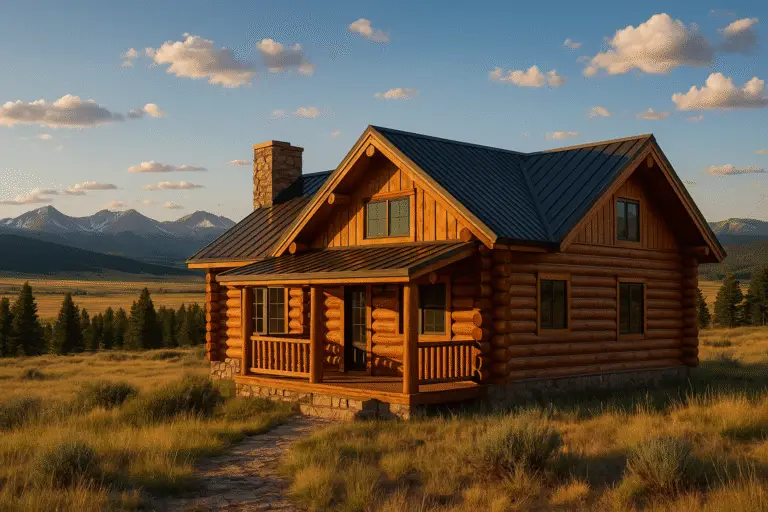








Fairplay, Colorado, sits in the high country of Park County, just shy of 10,000 feet in elevation. That alpine setting brings a specific mix of intense UV, freeze–thaw cycles, persistent wind, and fast-moving afternoon storms. Log homes here live hard—finishes break down faster on sunny elevations, checks open wider with day–night temperature swings, and shaded walls can stay damp under heavy snowpack. A care plan that works in the foothills simply won’t hold up in the South Park basin.
Most cabins in the area are built with lodgepole pine, Engelmann spruce, or Douglas fir. Each species weathers differently: pine tends to check early on south faces, spruce can show resin bleed under strong sun, and fir’s denser grain responds beautifully to penetrating stains when surface prep is done right. Add Fairplay’s dry air and big diurnal swings, and you’ve got a recipe for movement—open joints, end-grain wicking, and failing stain on rail caps if maintenance slips. Homeowners in town and in nearby neighborhoods like Valley of the Sun, Warm Springs, Redhill Forest, and Foxtail Pines benefit from a high-altitude maintenance cadence and product choices matched to alpine UV.
These same high-country realities show up in other mountain towns, so the strategies we use here carry over to nearby communities such as Breckenridge and Leadville, where sun, wind, and elevation act a lot like Fairplay—just with different storm tracks.
Core Log Home Services for Fairplay & South Park
Full Log Home Restoration
When finish failure becomes widespread—gray wood, peeling film builds, blotchy color, or hard glazing that won’t accept a maintenance coat—a full restoration is the cleanest reset. A typical scope in Fairplay includes controlled media blasting (corn cob or walnut shell), targeted sanding and brushing, a borate treatment, and a new finish system tailored to UV and breathability. Chinking and caulking are tuned after the new stain to keep movement joints sealed. This approach restores color, opens the grain for consistent absorption, and lays the groundwork for easier maintenance coats in the future.
Hypothetical example: A 1990s milled-round cabin in Foxtail Pines with dark, incompatible legacy finish would likely require cob blasting to remove the build, borate to protect against insects and fungi, then a pigmented penetrating stain with strong UV absorbers to stabilize the south and west walls.
Log Staining & Refinishing
At nearly 10,000 feet, UV is the main villain. Film-forming coatings may look great the first season but can get brittle under alpine sun and start to peel. We typically favor penetrating stains that soak in and move with the wood, especially on south and west elevations. Color choice matters: mid-to-darker tones with robust pigmentation hold better under Fairplay’s sunshine. Proper brushing, end-grain sealing, and back-brushing around knots help color last and reduce the risk of hot spots or blotching.
Maintenance coats are the secret to long-term success. In Fairplay, a realistic interval is every 2–4 years on sunny faces—often less frequently on shaded north walls if they’re kept clean and dry. Touch it early and you avoid the far more expensive “strip-and-start-over” cycle.
Chinking & Energy-Sealing Caulking
Big temperature swings create movement. If your chink lines or caulk joints were installed without proper backer material or an elastomeric product rated for high movement, cold snaps and spring warmups can open gaps. We use correct bond-breakers and tooling techniques so joints stretch and compress without tearing. The result: fewer drafts, quieter winters, and better performance during shoulder seasons when the wind really gets going in South Park.
Media Blasting (Corn Cob / Walnut Shell)
Blasting is the go-to when finishes are incompatible, badly darkened, or peeling across large areas. We control grit, protect windows and landscaping, and clean thoroughly to keep dust from telegraphing through the new stain. After blasting, we spot-sand to correct profile, remove lingering shine, and open dense areas for even absorption. A borate treatment follows, then stain in a sequence designed around Fairplay’s quick-moving weather windows.
Log Rot Repair & Replacement
Even in high, dry country, rot shows up where water lingers: splash zones, upward-facing checks, and end-grain at log ends and rail posts. On cabins around Warm Springs, for example, lower courses below drip lines would often need attention if gutters or kick-out flashing aren’t dialed. Depending on severity, we use epoxy consolidation for localized issues or dutchman and section replacements matched to the original profile and species. The goal is to keep structure sound and finishes off the ground where snow stacks.
Borate Treatments & Insect/Fungi Prevention
Powderpost beetles and borers can take hold in stressed, unprotected wood. Borate salts, applied after prep and before stain, diffuse into the log and create long-term resistance to insects and decay fungi. In Fairplay’s dry climate, timing and moisture content matter—application right after blasting or sanding maximizes penetration before stain locks the surface.
Decks & Railings: The First to Fail
Horizontal surfaces eat the most sun and snow. Rail caps, stair treads, and south-facing decks in Fairplay often need more frequent refreshes than the walls. We lean into textures and application methods that keep traction without trapping moisture. Many homeowners who split time between Fairplay and valley towns like Buena Vista notice decks weather faster at altitude; budgeting a separate deck maintenance cadence is smart.
Climate Challenges We Plan For in Fairplay
Intense UV on South & West Walls
Alpine UV breaks down lignin and bleaches pigment quickly. Symptoms include lightened patches, brittle topcoats, and early checking. Our response: use stains with robust UV packages, build color a touch deeper on sunny faces, and perform timely maintenance coats before pigment fully erodes. We also watch for resin bleed on spruce and knot areas, spot-sand glossy pockets, and condition surfaces for even absorption.
Freeze–Thaw & Wind
Spring days, cold nights, and year-round wind push joints to their limits. Elastomeric chinking and caulking with a proper two-point bond keep lines intact. Where wind drives blowing snow against a wall, we focus on check sealing—especially checks that angle upward and act like little gutters. Tending these details saves interior finishes and prevents hidden moisture issues.
Snowpack & Shaded North Walls
Shaded sides dry slowly in winter. We pay special attention to lower courses where snow piles, porch areas with drip lines, and intersections near decks. Redirecting downspouts, adding kick-out flashing, and managing grade slope keep water from soaking log ends. On the finish side, shaded walls may accept a lighter maintenance cadence—but only if they stay clean. Debris and dust add up to black streaking and early discoloration.
Wildfire-Wise Detailing
South Park is a windy basin, and embers can travel. While finishes aren’t fireproofing, a well-maintained exterior sheds debris and is easier to keep clean. We also encourage homeowners to maintain defensible space, clear needles from corners and decks, and screen vents appropriately. Small details around soffits, fascia, and under-deck storage make a big difference.
High-Altitude Product Choices & Application Timing
Colorado VOC rules limit certain coatings, which is fine by us—modern, compliant systems perform well at altitude when the prep and timing are dialed. We plan work around Fairplay’s conditions: cooler mornings, potential afternoon build-ups, and quick temperature drop-offs at dusk. That often means sequencing shady walls earlier or later in the day, saving windward faces for calmer windows, and monitoring dew point so fresh stain cures properly.
When a shoulder-season job has to happen, we can tent small areas, use heat judiciously, or shift to interior tasks like chinking and caulking until exterior temperatures stabilize. End-grain gets extra attention—log ends, newel posts, and saddle notches receive additional sealing to stop capillary wicking.
What a Fairplay Project Might Look Like (Hypothetical Scenarios)
Valley of the Sun — Upper-Elevation Cabin
A milled-round lodgepole home with a tired west wall could benefit from targeted blasting on that side only, followed by a borate treatment and a new pigmented penetrating stain. Chink/caulk tune-ups around larger checks and window bucks would help with shoulder-season drafts. Deck rail caps on the weather side would be scheduled for a separate maintenance coat the following year to keep budget steady.
Redhill Forest — Wind-Exposed Ridge
On a ridge where winter wind scours finishes, we would likely bump pigment density slightly on south and west elevations and recommend a two-year check on those faces. End-grain and lower courses near snow drifts would get additional sealing. If legacy film builds are present, a full strip via walnut-shell blasting might be the shortest path to a stable, breathable system.
Foxtail Pines & Warm Springs — Family Cabins
These neighborhoods see big day–night swings. A realistic plan would set a three-season cycle: maintenance coat for sunny faces in Year 1, deck and rail refresh in Year 2, north/east wall review and spot work in Year 3—then repeat the loop. Interior winter work could include chink and caulk lines, stair and railing refinishes, and window-buck air sealing for comfort.
Owners sometimes compare cadence with nearby high-elevation areas like Twin Lakes to plan budgets and color selections; the logic holds—sunny sides first, then everything else before wear snowballs.
Inspection Checklist for Fairplay Homeowners
- Twice-a-year walk-around: Once after snowmelt, once in mid-summer when UV peaks.
- What to look for: Lightened or chalky patches, gray wood, upward-facing checks, soft lower courses, failing caulk seams, black streaks under knots, and end-grain darkening.
- Quick DIY upkeep: Gently rinse dust and pollen, sweep needles out of corners, clear deck gaps, and keep soil or snow off the first log course.
- Time to call a pro: If stain won’t take color evenly, peeling is widespread, or you find punky wood near deck posts or log ends.
Maintenance Cadence & Budget Planning
The math for Fairplay is simple: do smaller, earlier maintenance and avoid full resets. Plan a maintenance coat on sunny elevations every 2–4 years, with a concurrent chink/caulk audit and a deck/rail look. Grouping work limits mobilization costs and keeps finishes in the “easy refresh” zone.
Common cost drivers (no pricing here, just expectations): access and staging on steep sites; blasting versus chemical strip; extent of log repair or replacements; number of elevations and their height; and deck complexity. A clear scope and test panels up front help dial color and sheen so the final look is exactly what you want.
Craft Details That Extend Finish Life
Great-looking cabins in Fairplay aren’t an accident. They’re the result of disciplined prep and small details that stack up:
- Thorough surface prep: After blasting or sanding, we remove dust from checks, corners, and relief textures so stain bonds evenly.
- Layering for UV: A pigmented base carries the UV load; clear coats alone are not enough on sunny faces at altitude.
- Transitions: Window and door bucks, saddle notches, and corner stacks get extra brushing—these areas telegraph failure first if rushed.
- Water management: Kick-out flashing, downspout extensions, and drip edges keep log ends dry and finishes off splash zones.
- End-grain discipline: Posts, rail caps, and exposed log ends are sealed methodically to stop wicking and stain loss.
Common High-Country Mistakes (and What to Do Instead)
- Clear-only on sunny faces: Skip it at 10,000 feet—pick a tone with pigment so UV has something to chew on besides your wood.
- Power washing too aggressively: It lifts fibers and forces water into checks. Use gentle cleaning and let wood dry fully before coating.
- Ignoring checks and end-grain: They’re straws for water. Seal them and keep them sealed.
- Waiting for “one more season”: When wood grays, a simple refresh turns into restoration. Touch-ups now save time and money later.
- Mixing product families: Compatibility matters. When in doubt, run small test panels on different elevations.
Frequently Asked Questions — Fairplay, CO
How often should I restain a Fairplay log home?
Expect every 2–4 years on sunny walls, with longer intervals on protected sides. The exact cycle depends on exposure, pigment depth, and how clean the walls stay.
Do I always need media blasting?
No. Blasting is for heavy failure or incompatible finishes. If your current system accepts a maintenance coat and looks even after spot-sanding, a simple refresh is smarter.
What’s the best time of year for exterior work?
Late spring through early fall, planned around temperature, dew point, and wind. We sequence elevations and watch weather to hit safe cure windows.
Can you work in winter?
Full exterior finishing generally waits for warmer temps, but interior chinking/caulking and some protected prep work can proceed. When needed, small exterior areas may be tented and warmed safely.
Are your stains Colorado compliant?
Yes. We use VOC-compliant systems that perform at altitude when applied over correct prep.
What about wildlife, pets, and site cleanliness?
We stage and protect carefully, contain media if blasting, and clean thoroughly so cabins, pets, and landscapes are respected.
Where We Work in Fairplay and Nearby
We serve the Town of Fairplay and nearby neighborhoods including Valley of the Sun, Warm Springs, Foxtail Pines, Redhill Forest, and the broader South Park area. High-country methods here also apply in other alpine communities such as Salida when elevation and exposure line up with Fairplay’s conditions.
Estimating & Scheduling: How We Keep Projects on Track
Every plan starts with a site review: sun paths, wind exposure, snow load on decks and lower courses, number of elevations, railings, and access. We map where finishes are failing, run test samples for color and absorption on several walls, and build a weather-aware sequence. Sunny faces are coated when conditions favor curing; decks often slot near the end to avoid foot-traffic scuffs during the project. Communication around storm holds keeps prep work safe and lets us resume cleanly.
A Straightforward Action Plan
- Share a few photos or request a site visit. We’ll note exposure issues, deck details, and any suspect log ends.
- Choose a color and system with small test panels on a sunny and a shaded wall.
- Schedule the sequence by elevation and deck area around Fairplay’s weather windows.
- Set a maintenance reminder for sunny faces in 24–30 months so you stay ahead of UV.
Ready to Protect Your Fairplay Log Home?
Your cabin works overtime in the South Park sun and wind. A mountain-smart plan—good prep, the right stain, and timely maintenance—keeps it looking sharp and tight through the seasons. Scroll to the bottom of this page to connect with Pencil Log Pros and schedule your Fairplay consultation.